
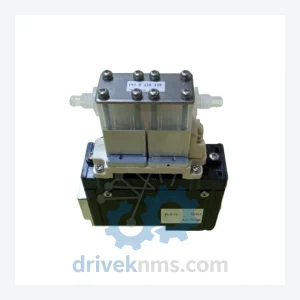
LAM Research X10-14210100 Power Supply Module – Obsolete X10 Series Spare Part
LAM Research X10-14210100 Power Supply Module – Obsolete X10 Series Spare Part When a power supply module fails inside a…
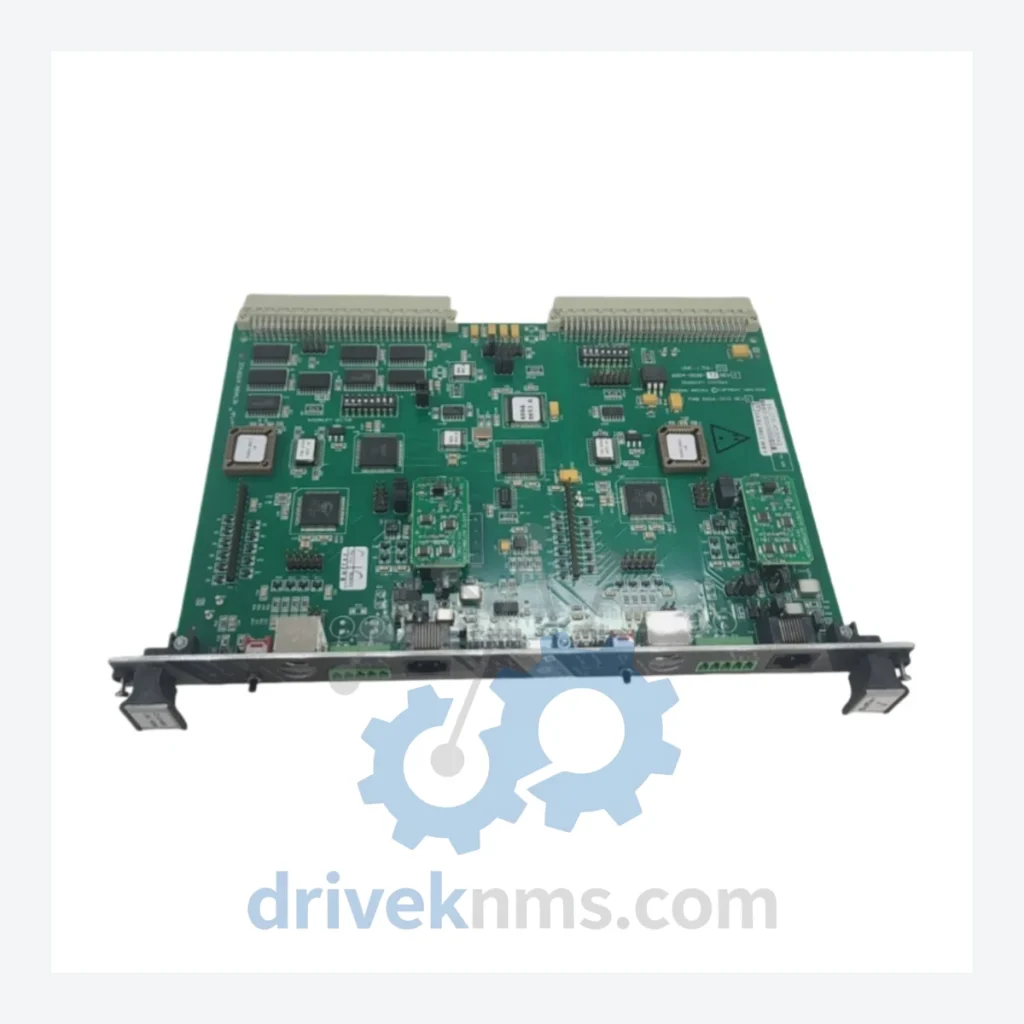
Model: VME LTNI-S5
Product Overview
Commercial availability is handled through direct RFQ, model verification and export-oriented follow-up rather than public cart checkout.
Datasheet Preview
Use attached product manuals when available. If the manual is not public yet, request the full file directly through RFQ.
Commercial Path
Product pages on DRIVEKNMS are designed to verify model, brand and series first, then move the buyer into one clean quotation path.
Technical Dossier
When a VME-bus power supply module fails on an active production line, the consequences are not limited to a single machine going dark. For facilities still operating LAM Research VME-architecture equipment — semiconductor etch systems, CVD chambers, and related process tools — the failure of a module such as the LTNI-S5 forces a decision that no plant manager wants to face: locate a replacement on the secondary market, or commit to a full system retrofit that routinely runs into the hundreds of thousands of dollars in engineering, downtime, and requalification costs. DriveKNMS maintains verified stock of the LAM VME LTNI-S5 to give your maintenance team a third option: a direct, drop-in replacement that keeps the line running without triggering a capital expenditure review.
| Parameter | Detail |
|---|---|
| Manufacturer | LAM Research |
| Part Number | VME LTNI-S5 |
| Series | VME (Versa Module Europa) Bus Architecture |
| Module Function | VME Power Supply Module |
| Form Factor | VME Bus-compatible card |
| Discontinuation Status | Confirmed Obsolete – No longer manufactured or supported by OEM |
| Country of Origin | United States |
| Typical System Compatibility | LAM Research VME-based process control platforms |
Note: Specific electrical parameters (voltage rails, current ratings, connector pinout) are not published here to prevent misapplication. Contact our technical team for verified datasheet confirmation prior to ordering.
LAM Research's VME-architecture control systems were deployed extensively in semiconductor fabrication facilities throughout the 1990s and 2000s. The VME bus standard, while robust and deterministic, has long since been superseded in new equipment designs. OEM support for modules such as the LTNI-S5 has ended, and the installed base of these systems now depends entirely on the secondary market for spare parts.
The LTNI-S5 power supply module sits at the heart of the VME chassis power distribution architecture. A failure here does not merely interrupt one function — it takes down the entire VME card cage, halting every process module that depends on it. For a semiconductor etch tool or CVD system, unplanned downtime measured in hours translates directly into wafer yield loss and missed delivery commitments.
Facilities that have extended the service life of their LAM VME systems by 5 to 10 years beyond OEM support end-of-life have consistently done so through the same discipline: maintaining a strategic inventory of high-failure-risk modules. The LTNI-S5, as a power supply component subject to electrolytic capacitor aging and thermal cycling stress, belongs on that list. A single spare unit on the shelf eliminates the mean-time-to-repair variable that otherwise makes legacy system operation unpredictable.
The economic case is straightforward. A full system replacement — new process tool, installation, process requalification, and operator retraining — represents a capital commitment that most facilities cannot absorb outside of a planned refresh cycle. A verified replacement module sourced from DriveKNMS costs a fraction of that figure and restores full system operation within the existing maintenance window.
Every LAM VME LTNI-S5 unit that leaves our facility has passed a structured 5-step inspection protocol developed specifically for obsolete VME-bus power supply hardware:
Units are classified as New (factory-sealed, original packaging), Refurbished (inspected and reconditioned to above protocol), or Tested-Used (functional, inspected, sold as-is with documentation). Classification is stated explicitly on every invoice.
Plant managers operating legacy LAM VME-based equipment face a structural challenge: the OEM has exited the aftermarket, but the process tool itself continues to produce yield and has not reached the end of its productive life. The following maintenance disciplines have been applied successfully by facilities that have kept VME-architecture systems in production well beyond their nominal support horizon.
1. Conduct a failure mode inventory. Identify every module in the VME chassis that has no available new-OEM replacement. For each, assess the consequence of failure: does it halt the tool, degrade process performance, or create a safety condition? Prioritize spare procurement accordingly.
2. Maintain a minimum two-unit spare pool for power supply modules. Power supply hardware ages on a predictable curve driven by capacitor chemistry and thermal load. A facility that operates a VME system without a spare power supply module is accepting a risk that has a known and calculable probability of materializing.
3. Establish a scheduled preventive inspection interval. VME power supply modules should be removed and bench-inspected every 3–5 years in continuous-operation environments. Early detection of capacitor degradation allows planned replacement rather than emergency sourcing.
4. Document your installed firmware revisions. As OEM support ends, the ability to restore a system to a known-good firmware state becomes entirely dependent on internal documentation. Capture this information now, before the institutional knowledge that holds it retires.
5. Engage a specialist secondary-market supplier before you need parts urgently. Emergency sourcing of obsolete VME hardware under production pressure results in higher prices, longer lead times, and reduced ability to verify part authenticity. Establishing a supply relationship in advance of need is the single highest-leverage action available to a maintenance manager responsible for legacy VME systems.
What warranty applies to an obsolete part like the VME LTNI-S5?
DriveKNMS provides a 90-day warranty on all refurbished and tested-used units covering functional failure under normal operating conditions. New factory-sealed units carry a 12-month warranty. Warranty terms are stated on the invoice and apply from the date of shipment.
How do I know the unit is genuine and not a counterfeit?
All units are sourced through documented supply chains. Physical markings, board revision codes, and component date codes are cross-referenced against known-authentic references. Units that cannot be positively verified are not sold. We provide full traceability documentation on request.
Should I buy more than one unit?
For any VME power supply module confirmed as obsolete, purchasing a minimum of two units is the standard recommendation. The cost of a second unit is negligible relative to the cost of a single day of unplanned downtime on a process tool. If your facility operates multiple VME chassis of the same type, scale your spare pool accordingly.
Can you source other LAM VME modules?
Yes. DriveKNMS specializes in obsolete and hard-to-find industrial automation and process control hardware. If you have additional VME module requirements, contact us with your part numbers and we will advise on availability.
Related Paths
LAM Research X10-14210100 Power Supply Module – Obsolete X10 Series Spare Part When a power supply module fails inside a…
Lam Research VME-7671 Series: Comprehensive Module Range and Technical Overview The Lam Research VME-7671 series represents a core compute and…
Lam Research 853-031764-001-A Lower Electrode: Supply Continuity Strategy for Semiconductor Fabs The Lam Research 853-031764-001-A (cross-references: A0384140 / A0378622 /…