
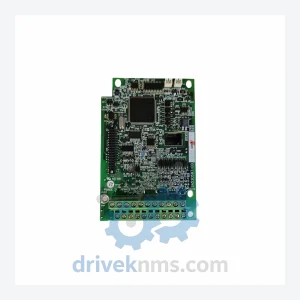
FUJI SA531121-03 E11-C4PCB Drive Board
FUJI SA531121-03 Series: Comprehensive Drive Board Range and Technical Overview The FUJI SA531121-03 series drive boards are core printed circuit…
Model: FVR0.75E9S-4JE
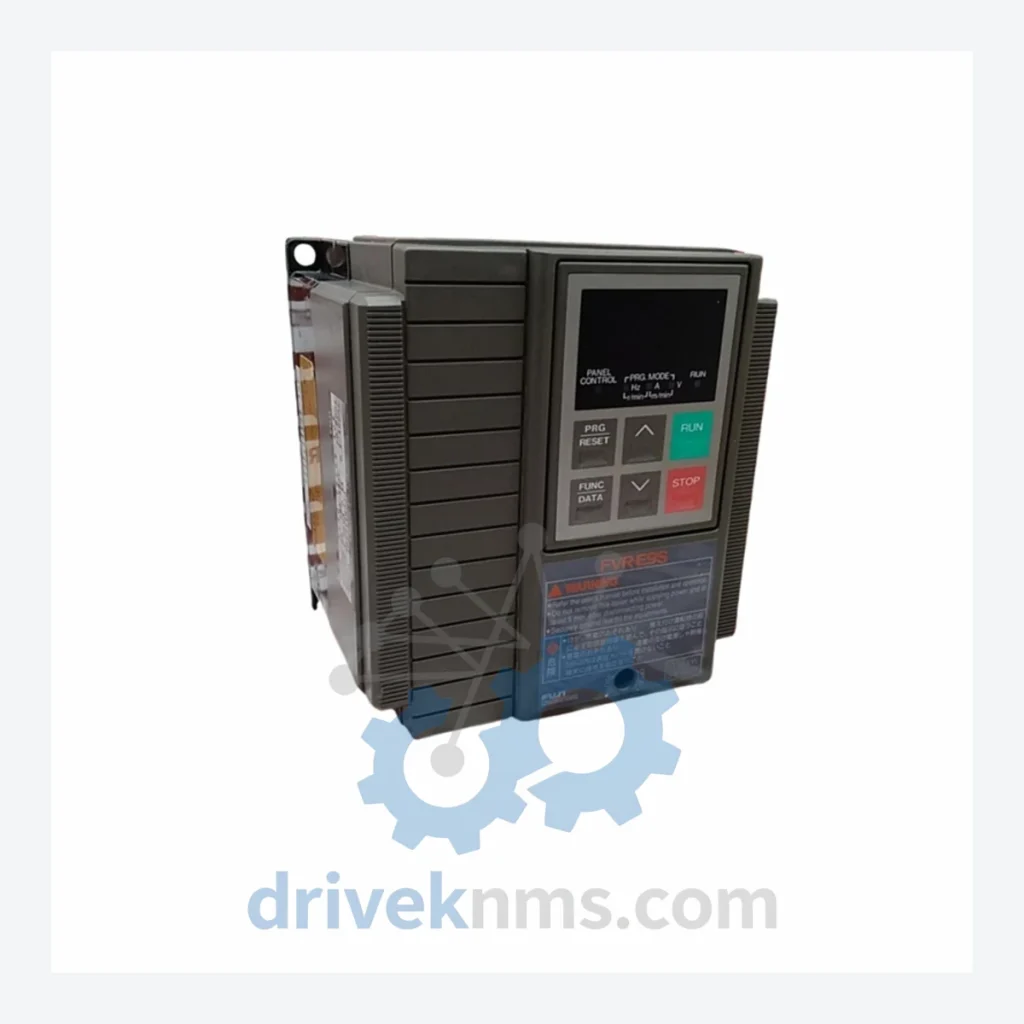
Product Overview
Commercial availability is handled through direct RFQ, model verification and export-oriented follow-up rather than public cart checkout.
Datasheet Preview
Use attached product manuals when available. If the manual is not public yet, request the full file directly through RFQ.
Commercial Path
Product pages on DRIVEKNMS are designed to verify model, brand and series first, then move the buyer into one clean quotation path.
Technical Dossier
The Fuji Electric FVR series of AC variable frequency drives occupies a well-established position in global heavy industry, with documented installations across petrochemical complexes, nuclear auxiliary systems, crude oil refineries, pulp and paper mills, and large-scale water treatment infrastructure. The series covers output ranges from fractional kilowatt to several hundred kilowatts, addressing both single-phase and three-phase supply configurations. Its modular design philosophy, combined with standardized terminal layouts, made it a preferred choice for OEM machine builders and plant engineering contractors throughout the 1990s and 2000s. The FVR platform remains in active service at facilities where replacement of the drive would require significant re-engineering of control panels and motor circuits, making long-term spare parts availability a critical operational requirement.
The FVR series was introduced by Fuji Electric as a successor to earlier FRENIC and FRN-series platforms, incorporating IGBT-based inverter stages that replaced the earlier bipolar transistor designs. Early FVR variants used analog reference inputs and relay-based fault output circuits. Subsequent generations introduced RS-485 serial communication ports, enabling integration with SCADA and DCS systems via Modbus RTU and proprietary Fuji protocols. The E9S sub-series, to which the FVR0.75E9S-4JE belongs, represents a mid-generation refinement with improved EMC filtering, enhanced PID control loops, and expanded parameter memory. The suffix structure encodes key specifications: the numeric prefix indicates rated output in kilowatts (0.75 kW in this case), the voltage class suffix (4 = 380–480 V three-phase), and the regional compliance designation (JE = Japan/Export standard). Compatibility between FVR sub-generations is limited at the control board and power card level; frame sizes may be physically interchangeable but internal bus architectures differ. Facilities migrating from early FVR to E9S or later variants must verify parameter mapping and I/O wiring before commissioning.
The following SKUs represent verified models within the Fuji Electric FVR series. Each entry includes the rated output, voltage class, and primary functional designation.
FVR0.4E9S-2J: 0.4 kW, 200 V class, single/three-phase compact drive
FVR0.75E9S-2J: 0.75 kW, 200 V class, general-purpose vector control drive
FVR1.5E9S-2J: 1.5 kW, 200 V class, sensorless vector, PID control integrated
FVR2.2E9S-2J: 2.2 kW, 200 V class, pump and fan duty cycle optimized
FVR4.0E9S-2J: 4.0 kW, 200 V class, conveyor and compressor applications
FVR0.4E9S-4JE: 0.4 kW, 400 V class, export-rated, EMC Class C2 filter
FVR0.75E9S-4JE: 0.75 kW, 400 V class, three-phase, sensorless vector, RS-485 port
FVR1.5E9S-4JE: 1.5 kW, 400 V class, closed-loop optional, DIN rail mountable
FVR2.2E9S-4JE: 2.2 kW, 400 V class, multi-function I/O, Modbus RTU capable
FVR4.0E9S-4JE: 4.0 kW, 400 V class, dynamic braking resistor terminal standard
FVR5.5E9S-4JE: 5.5 kW, 400 V class, heavy-duty overload rating 150% for 60 s
FVR7.5E9S-4JE: 7.5 kW, 400 V class, built-in DC reactor terminal, fan-cooled
FVR11E9S-4JE: 11 kW, 400 V class, panel-mount, analog/digital reference switchable
FVR15E9S-4JE: 15 kW, 400 V class, torque boost auto-tuning, encoder feedback ready
FVR18.5E9S-4JE: 18.5 kW, 400 V class, crane and hoist duty, regenerative braking
FVR22E9S-4JE: 22 kW, 400 V class, HVAC and water treatment standard configuration
FVR30E9S-4JE: 30 kW, 400 V class, large frame, external cooling duct compatible
FVR37E9S-4JE: 37 kW, 400 V class, high-inertia load compensation, fieldbus option slot
The FVR E9S sub-series has entered the mature-to-declining phase of its product lifecycle. Fuji Electric has transitioned current production to the FRENIC-Ace and FRENIC-Multi platforms, and factory support for FVR E9S units is limited in most regions. DriveKNMS maintains a dedicated inventory of FVR series drives and sub-assemblies, including control PCBs, power modules, gate driver boards, and display panels, sourced through authorized distribution channels and verified refurbishment programs. For facilities operating FVR drives in critical process loops — where unplanned downtime carries significant financial or safety consequences — DriveKNMS provides lifecycle extension support including: unit-level testing prior to dispatch, parameter backup and restoration services, and cross-reference identification for discontinued part numbers. Customers with multi-unit installations are advised to maintain at least one verified spare per critical drive rating. DriveKNMS can assist in building a site-specific spare parts matrix based on installed base data.
FVR series drives present specific challenges during incoming inspection and functional verification due to their multi-layer backplane architecture and proprietary serial bus communication between the control card and power stage. DriveKNMS applies the following test protocol to all FVR units processed through its facility: (1) Visual inspection of bus capacitors for electrolyte leakage and case deformation, with capacitance measurement against factory specification; (2) IGBT module static and dynamic testing using dedicated semiconductor test equipment, verifying gate threshold voltage and on-state resistance; (3) Control board power-up sequence verification with isolated bench supply, confirming firmware boot and parameter retention; (4) Full-load simulation on a motor test bench at rated current for a minimum of 30 minutes, monitoring thermal performance and output waveform symmetry; (5) RS-485 communication port verification using Modbus RTU polling to confirm register read/write integrity; (6) Final parameter reset to factory defaults with documentation of any non-standard settings identified during testing. Units that do not pass all stages are quarantined and not offered for sale.
Related Paths
FUJI SA531121-03 Series: Comprehensive Drive Board Range and Technical Overview The FUJI SA531121-03 series drive boards are core printed circuit…
FUJI TEC-1VM Series: Comprehensive Module Range and Technical Overview The FUJI TEC-1VM series represents a core hardware platform deployed across…
FUJI NRC-2 SA516169-00 Circuit Board: Global Sourcing Strategy & Asset Return Value The FUJI NRC-2 SA516169-00 is a control circuit…