A replacement drive can match the motor power and still be wrong for the room where it will operate. Refrigeration plants make that distinction especially clear: a dry electrical room, a damp compressor area and a regularly cleaned production space place different demands on the enclosure. The enclosure belongs in the spare specification, not in a note added after purchasing has chosen a unit.
At Chillventa, held October 13-15, 2026, ABB highlighted drives and PLCs for refrigeration and cooling, including higher-protection drive solutions. That event is a useful prompt to review existing installations. It is not evidence that every ACS580 has the same enclosure rating as a newly showcased product, or that the installed equipment has become obsolete.
Start with the installation location
Before requesting a replacement, describe what reaches the drive during normal operation, cleaning and shutdown. Consider airborne dust, occasional splashes, condensation, ambient temperature and the condition of the surrounding cabinet. A room that stays dry while machinery runs may behave differently when cold pipework remains exposed during a warm, humid shutdown.
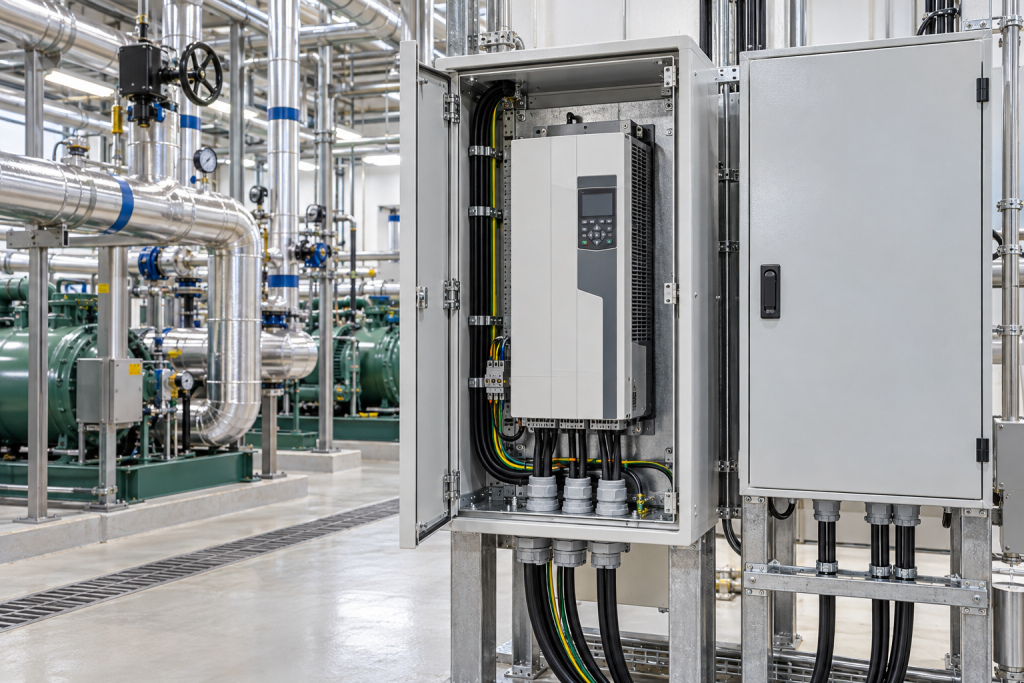
The useful distinction is between the protection of the drive itself and the protection provided by a complete enclosure assembly. An open or lightly protected drive may be appropriate inside a correctly designed cabinet. The same unit mounted directly beside a compressor may face a different exposure. A photograph of the complete installation is therefore more informative than an isolated nameplate photograph.
Record the actual mounting arrangement as well. Door-mounted equipment, cabinet ventilation, heat exchangers and cable routes can affect the proposed replacement. Changing the drive housing while retaining every other installation detail should not be treated as an automatically equivalent substitution.
Read the whole ACS580 reference
ABB’s ACS580 product information distinguishes wall-mounted, module and cabinet-built forms, with different enclosure options. That is why the family name and nominal power cannot uniquely define an acceptable spare. Check the complete type designation, option codes, supply requirements, current duty and frame information against the applicable hardware documentation.
The ACS580-01-096A-4 drive listing is a starting point for identifying an assembly, not proof of the enclosure options on any offered unit. Ask for photographs of the actual nameplate and housing, including any option suffixes, before approving a quotation. Do not infer a higher protection rating from a similar photograph or the presence of a front cover.
A model offered for general process duty also needs an application review before use on a particular refrigeration machine. Motor control requirements, compressor restrictions, speed limits and process interlocks remain the responsibility of the qualified engineering team. Matching the enclosure does not settle those questions.
Inspect the boundary, not only the box
An enclosure can lose its intended protection through incomplete cable entries or damaged sealing surfaces. The drive body, gland plate, cable glands, blanking plugs, cover and mounting arrangement form a system. Missing small parts can make a seemingly complete spare unsuitable for direct installation.
Use receiving inspection to check the parts that are difficult to see in a sales photograph. Look for cracked covers, displaced seals, damaged threads and unauthorized holes. Compare what has arrived with the agreed scope. Do not improvise an enclosure repair or assume that a replacement seal of a similar size preserves the manufacturer’s rating.
Moisture control needs its own discussion. An ingress rating is not a guarantee against internal condensation under every temperature cycle. Assess cabinet climate, pipe insulation and the conditions during idle periods. Any heater, ventilation or environmental change should follow the approved installation design, not an improvised fix beside operating electrical equipment.
Protection and heat removal must work together
Increasing enclosure protection can change the thermal problem. A more enclosed assembly may need a different arrangement for heat removal, and a replacement with another frame size can alter required clearances. Use the manufacturer’s data for the exact assembly and site conditions instead of assuming that a larger box solves both contamination and temperature.
Ask the engineering team to account for cabinet losses from all installed equipment, not just the drive. A replacement may be physically mountable while leaving inadequate service access or airflow. Check cable bending space and access for future maintenance before the outage, particularly where a compressor skid leaves little room behind the cabinet.
All inspection involving access to electrical parts requires the site’s isolation procedure and manufacturer instructions. A stopped motor does not establish that a drive is electrically safe. This article defines procurement and planning questions; it is not an instruction to open or work on energized equipment.
Build a usable quotation package
Include the full installed code, actual housing photographs, motor information, supply details, installation location and the required condition of the spare. State whether the original enclosure accessories must be included. Separate a like-for-like replacement request from a proposal to relocate the drive or change the cabinet protection strategy.
Have the receiving and commissioning criteria agreed before shipment. The supplier can identify the offered assembly and its condition; site engineering must approve the complete application. Keeping those responsibilities visible prevents a delivery date from becoming an accidental design approval.
Practical questions
Is an IP55 drive automatically suitable for washdown?
No blanket assumption is safe. Confirm the exact environmental requirements, cleaning method and installed configuration against the manufacturer’s rating and instructions. A higher number does not remove every chemical, condensation or installation constraint.
Can a cabinet make a lower-rated drive acceptable?
Potentially, but only as part of a properly designed assembly. Cabinet protection, thermal performance, clearances and cable entries all require review. The drive rating alone does not describe the finished installation.
Does the ACS580 power rating identify the enclosure?
No. Obtain the full reference and options and inspect the offered unit. The same product family can include different mechanical forms and protection arrangements.
Must we replace working drives after Chillventa?
No. A trade-show presentation is not a withdrawal notice. Use it to review future requirements and spare specifications, while assessing installed equipment against its actual condition and application.
For a matched quotation, send DriveKNMS the complete drive code and cabinet photographs through the drive sourcing inquiry. Include the exposure and enclosure requirements so the proposed spare can be evaluated on more than its kW rating.
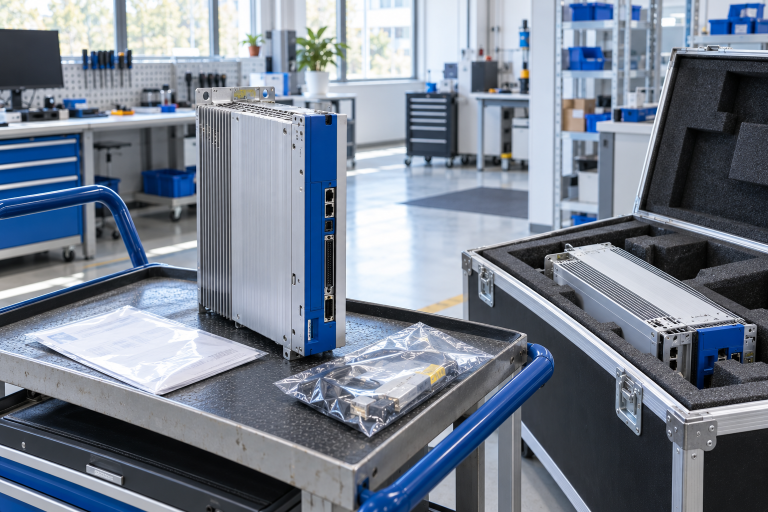
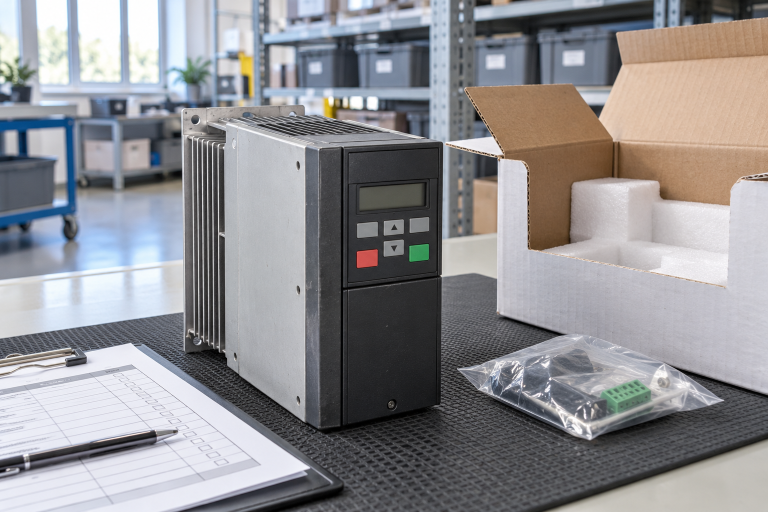
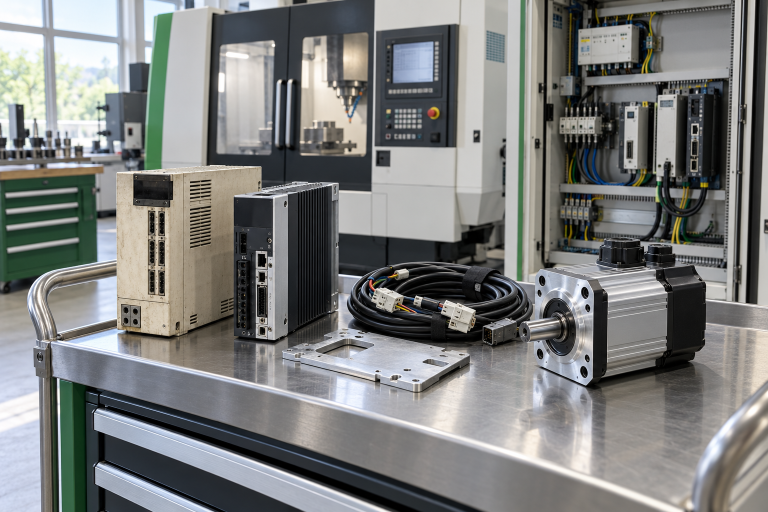
Image: AI-generated editorial illustration, not an exact product photograph or installation reference.
© 2026 DriveKNMS. All rights reserved. Official Website: https://driveknms.com Inquiry: sale@driveknms.com | WhatsApp/Tel: +86 18359293191