A motor nameplate can contain a speed that looks inconveniently precise. During a drive replacement, it is tempting to replace that value with a round number remembered from motor theory or a neighboring machine. For an ACS800 restoration, that shortcut can turn a well-documented hardware exchange into an uncertain motor-data configuration.
The useful question is not whether the entered speed looks reasonable. It is whether it represents the installed motor’s rated data under the correct operating conditions. This article concerns records and acceptance planning. It is not a startup sequence, an identification-run procedure or permission to energize machinery.
Three speeds can appear in one maintenance conversation
Keep motor nominal speed, synchronous speed and observed operating speed separate in the job record. For a conventional induction motor, the nameplate nominal speed describes the rated operating point. Synchronous speed is a theoretical rotating-field quantity. The shaft speed observed on a running application depends on the operating condition and is not automatically the value required in a motor-data field.
Production staff may describe a machine by its conveyor speed or gearbox output speed. Those values have operational meaning, but they introduce another conversion boundary. An engineer should trace the measurement back to the motor shaft before using it in a drive review. A process setpoint, a tachometer reading and a nameplate entry should never share an unlabeled spreadsheet column.
Use the firmware manual that matches the application
ABB’s ACS800 Standard Control Program 7.x firmware manual identifies parameter 99.08 as motor nominal speed and directs users to the motor rating plate rather than synchronous or approximate speed. It also notes an effect on speed-limit settings when this parameter changes. These details justify a controlled review, not a casual correction made while troubleshooting.
Do not assume every ACS800 application program has the same parameter structure or behavior. Establish the installed program and revision before applying a manual example. A drive control unit recovered from a different machine may carry a different application context. The motor-data question belongs beside that software identity, not apart from it.
Build a small evidence package
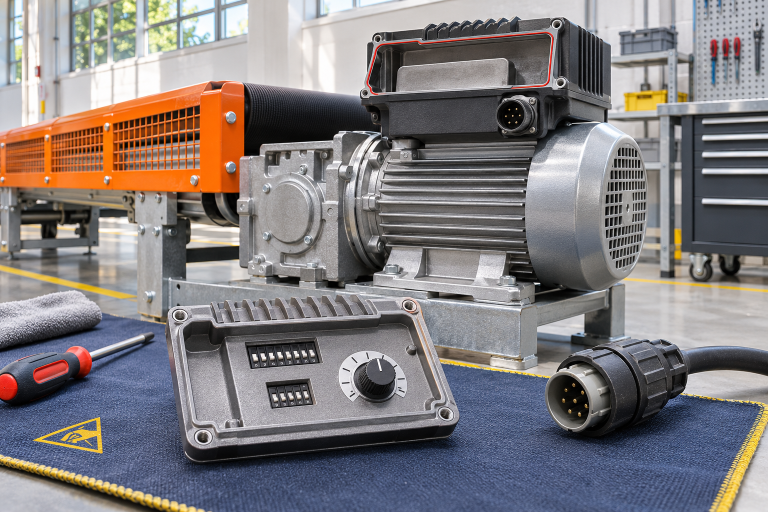
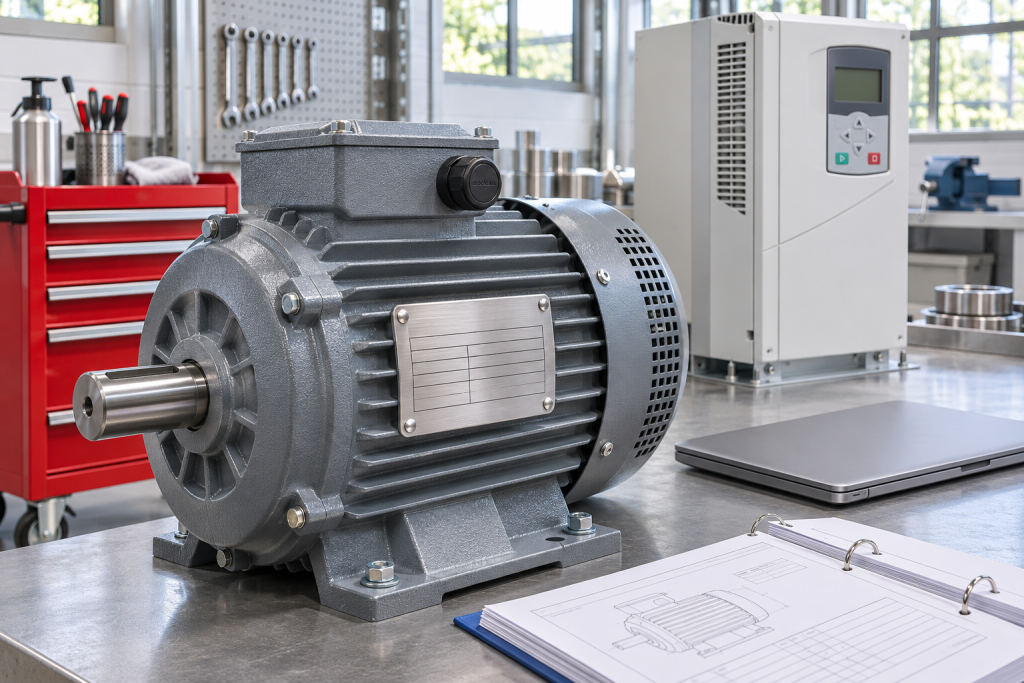
Obtain a readable photograph of the actual motor nameplate through the site’s safe access procedure. Capture the full plate, not just the RPM line. Record voltage, current, frequency, power and the connection associated with the intended service. Multiple ratings on one plate need an engineering decision about which operating point applies; selecting the largest or most familiar number is not a method.
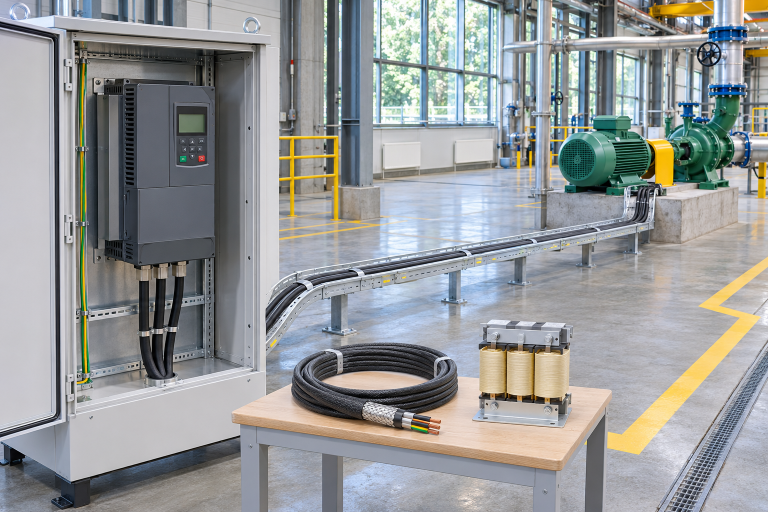
Next, obtain a controlled parameter report from the installed drive or the approved recovery archive. Give it a timestamp, machine identity and revision reference. Compare the record against the motor plate without changing the running equipment. If the two disagree, preserve both versions and identify the responsible reviewer. An unexplained difference is valuable evidence, not something to hide before the replacement arrives.
A useful comparison sheet has separate fields for the observed value, documentary source, proposed value and approval. That format prevents a technician’s note from being mistaken for an authorized instruction. It also gives procurement a clear boundary: the replacement hardware may be sourced while the application discrepancy remains under engineering review, but it is not yet ready for machine release.
A control unit is not a motor-data certificate
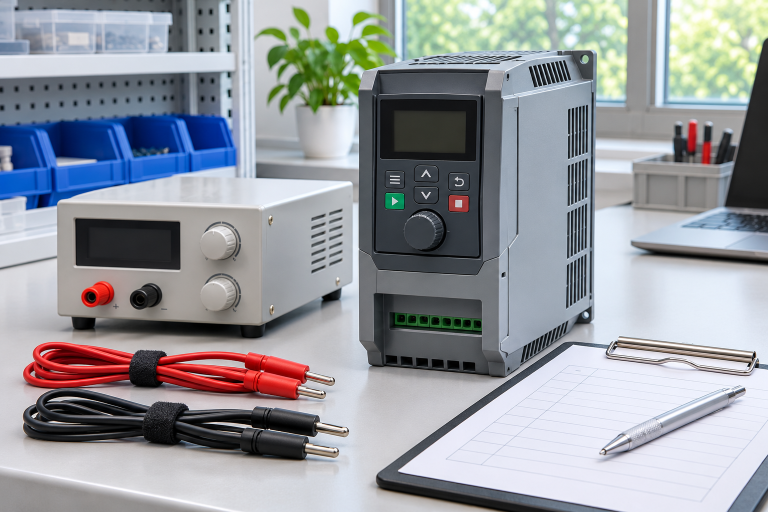
When discussing the ABB RDCU-12C control unit, identify the required hardware and application package independently of the motor settings. The catalog reference can support a sourcing conversation. It does not prove that a supplied unit contains the correct program, parameters or machine-specific approvals.
Ask the supplier to distinguish hardware inspection from configuration work. A report that a unit communicates successfully is useful, but it does not establish that the installed motor’s rated speed has been selected correctly. If a parameter archive is supplied, record where it came from and whether it belongs to the same machine. Avoid adopting a donor-machine file simply because its drive rating appears similar.
Keep feedback configuration, gearing and commanded speed outside the nominal-speed field unless the applicable documentation explicitly connects them. These may all require review during a restoration, but resolving one does not automatically resolve the others. Separating the questions makes it easier to assign responsibility and to prevent a copied setting from spreading across unrelated assets.
Define what acceptance must demonstrate
Before the maintenance window, agree on the evidence required for configuration acceptance and the separate evidence required for machine commissioning. A bench review can establish identification, file integrity and documented settings within its stated scope. It cannot demonstrate safe motion, process performance or every installed interlock.
Any energized testing, motor identification or motion verification must be planned by qualified personnel under the manufacturer instructions and site controls. This is especially important where loads can move, stored energy exists or equipment can restart remotely. Do not use an article or a supplier’s generic test report as the commissioning authorization.
For a DriveKNMS inquiry, send the drive and motor identification records with the required control-unit reference. State whether the request is hardware-only or includes a separately agreed configuration review. A precise scope helps avoid receiving a technically plausible spare that still leaves the motor-data decision unresolved.
Frequently Asked Questions
Should nominal RPM be rounded to synchronous speed?
Not for the Standard Control Program instruction discussed here. Use the applicable motor rating-plate data and confirm the installed firmware documentation. A round value is not inherently more correct than the plate value.
Can a measured low-load shaft speed replace the nameplate value?
No automatic substitution is justified. A measurement describes its test condition. Preserve it as separate evidence and have the responsible engineer determine the correct motor-data entry for the application.
Does a matching RDCU reference prove the configuration is ready?
No. Hardware identity, application program and machine parameters are distinct acceptance items. Document each one and resolve discrepancies before authorizing the replacement for service.
What if the original nameplate is unreadable?
Escalate the missing evidence to engineering or the motor manufacturer using the available serial and asset records. Do not invent a value from a neighboring motor or silently reuse an unexplained archive setting.
Image: AI-generated editorial illustration, not an exact product photograph or installation reference.
© 2026 DriveKNMS. All rights reserved. Official Website: https://driveknms.com Inquiry: sale@driveknms.com | WhatsApp/Tel: +86 18359293191