
Confirm brand and system context
Start from Festo, then identify whether the request belongs to PLC, DCS, drive, obsolete or replacement sourcing.
Brand Archive
This archive groups published products and support content under a consistent brand pathway for cleaner SEO and easier buyer navigation.
Festo Route Map
Start from Festo, then identify whether the request belongs to PLC, DCS, drive, obsolete or replacement sourcing.
Use series routes represented by published models before opening every product record.
Confirm model number, suffix, revision, condition requirement and destination before quotation.
Submit single-model or mixed-list RFQs with enough context for sourcing follow-up.
Brand RFQ Checklist
Use these details to connect the brand request to the right system, series and model route before quotation.
Pre-quote Details
System And Lifecycle Context
Use these Hub pages when the request starts from a PLC, DCS, drive, obsolete stock, replacement or legacy-system requirement.
Published Brand Models
Showing all 4 results
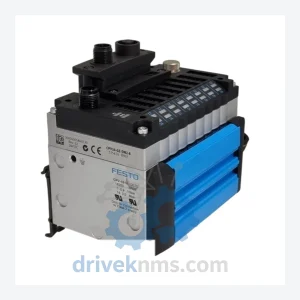
Festo CPV10-GE-DN2-8 525630 is listed for Monitoring Systems RFQ review. Confirm quantity, condition and destination before quotation.
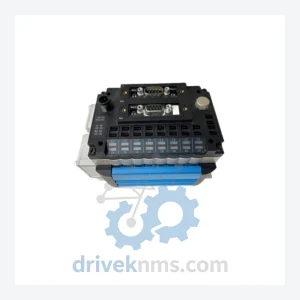
Festo CPV10-VI 18200 is listed for Controller Cards RFQ review. Confirm quantity, condition and destination before quotation.
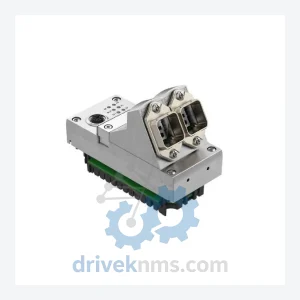
Festo CPX-SB-LT-WELD-SA is listed for CPX Series RFQ review. Confirm quantity, condition and destination before quotation.
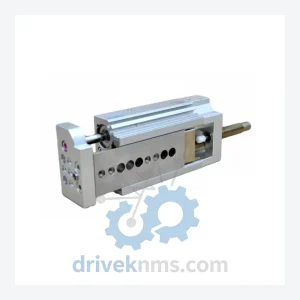
Festo 544122 DGSL-16-80-Y3A ES1D12-000007-11 AVB417-X0030 2EA00E182C, 4S001-065 MSE182C is listed for Controller Cards RFQ review. Confirm quantity, condition and destination before quotation.
Adjacent Brand Paths
Buyers often compare nearby vendor families before sending the exact model list. Keep navigation tight and move into RFQ once the scope is clear.
FAQ
Send exact model numbers, quantity, destination, required condition and any installed-system or revision notes.
Yes. Mixed-model and mixed-system RFQs can be reviewed together when each line includes model and quantity details.
Brand and series context helps buyers avoid wrong model routes when similar parts belong to different systems or generations.