The machine is expected to run for another four years. Its drive spare is on the shelf. A service brochure mentions extended support. Those three facts can look like a complete life-extension plan, but they are not necessarily connected by any enforceable service commitment. For an aging IndraDrive installation, the gap between owning hardware and having a support route deserves its own review.
The practical question is not simply whether an HMS or HMD unit can be found. It is whether the plant can keep a defined machine population recoverable through its remaining production period. That requires dates, covered serial numbers, service scope and a fallback when the first route is unavailable.
A service extension is not a shelf-life label
A Bosch Rexroth US service brochure dated July 2022 distinguishes repair and remanufacturing offerings and describes service-extension options, including a five-year extension beyond end of service for specified offerings. It is historical evidence that these are distinct commercial scopes. It is not proof of current availability, a worldwide entitlement, or a five-year promise attached to every used IndraDrive unit.
That distinction changes how a reliability engineer should read a quotation. A repair can address a particular failed unit. A service arrangement may address future access to defined capabilities. An outright spare changes possession of hardware. None of those statements automatically includes the other two. Request the current written terms for the exact equipment and region before assigning value to a service extension.
Start with the machine horizon
Draw a simple timeline with the intended machine retirement date, the next major outage, the period of committed production and the earliest realistic modernization window. Add uncertainty explicitly. A machine that may be retired after a customer contract ends does not need the same plan as a machine whose replacement project has no approved funding.
Next identify the recoverability bottleneck. It may be the power section, but it could also be the control section, feedback interface, application knowledge or access to the commissioning tools. Buying several copies of one available item does little for a different component that remains unsupported. The review should expose that imbalance before the spare budget is consumed.
For example, an inquiry for the HMD01.1N-W0012-A-07-NNNN power section should identify the installed assembly and control arrangement rather than treating a shortened HMD reference as a complete machine recovery specification. Include the unit’s serial identification and photographs in the service inquiry as well as in the purchasing inquiry.
Ask five commercial questions before comparing prices
- Which exact units and serial numbers can be enrolled or accepted?
- When does coverage start, and what event or date ends it?
- Does the scope provide repair capability, reserved components, an exchange unit or a response commitment?
- What exclusions apply to condition, prior repairs, missing parts or unsupported configurations?
- What happens if a covered unit cannot be restored within the plant’s required outage window?
The last question is often more valuable than a headline turnaround. Request the conditions behind any stated response time, including shipment, assessment, approval and customs boundaries. Do not convert a supplier’s usual experience into a guaranteed recovery time in the maintenance plan. Record the actual commitment and keep a separate planning allowance for events outside it.
A plant holding an HMS01.1N-W0020-A-07-NNNN spare should make the same distinction. The listing provides an exact model reference for sourcing; words such as obsolete in commercial catalog copy do not establish a current manufacturer lifecycle date. Verify formal status separately and avoid using catalog wording as the basis for a retirement decision.
Use two plans that meet in the middle
The operating plan should describe how production is recovered from a credible failure. The lifecycle plan should describe how the plant stops depending on the aging architecture. They meet at the point where a repaired or replacement drive must be accepted, configured and returned to duty. Leaving that point undefined creates a spare that is owned but not usable.
For the operating plan, nominate who controls the machine records, who can assess delivered hardware and who authorizes commissioning. Keep an approved configuration archive outside the failed machine. Schedule any inspection, electrical work and restart activity through qualified personnel and the original equipment manufacturer’s procedures. A commercial support agreement does not permit bypassing machine interlocks or reducing electrical isolation requirements.
For the lifecycle plan, establish a review trigger rather than waiting indefinitely. Examples include an unresolvable critical component gap, a changed production requirement or failure to renew a required support route. These are plant decision criteria, not predictions about a manufacturer’s future supply. The trigger should lead to an engineering review with a named owner and funding discussion.
Finally, check whether the budget buys resilience or simply duplicates stock. A second unit may be valuable when it covers a separate machine population. It may be less useful than securing missing documentation or qualifying a repair route for the only unique component. Compare those options against production consequences, not just unit purchase prices.
Frequently asked questions
Does an old service brochure prove my drive is covered today?
No. It identifies a historical offering, not your entitlement. Ask the manufacturer or applicable service provider for current terms, eligibility and regional availability tied to the exact unit.
Is buying a spare equivalent to buying extended support?
No. Ownership gives you hardware. Extended support is a separate service scope with conditions. Either can be useful, but their benefits and remaining risks should be recorded separately.
Should every IndraDrive model share one retirement date?
No. Treat complete material numbers, revisions and installed machine dependencies individually. A broad family label or reseller description is insufficient evidence for a fleet-wide lifecycle conclusion.
What should I send before requesting a bridge-spare quote?
Send the complete type code, installed assembly photographs, serial information, required condition, destination and intended service horizon. Include known restrictions on configuration or acceptance so the offer can address the real requirement.
DriveKNMS can help scope an HMS or HMD hardware inquiry alongside your existing maintenance plan. Share the exact unit details and required delivery boundary; request any service commitment separately in writing rather than assuming it comes with the spare.
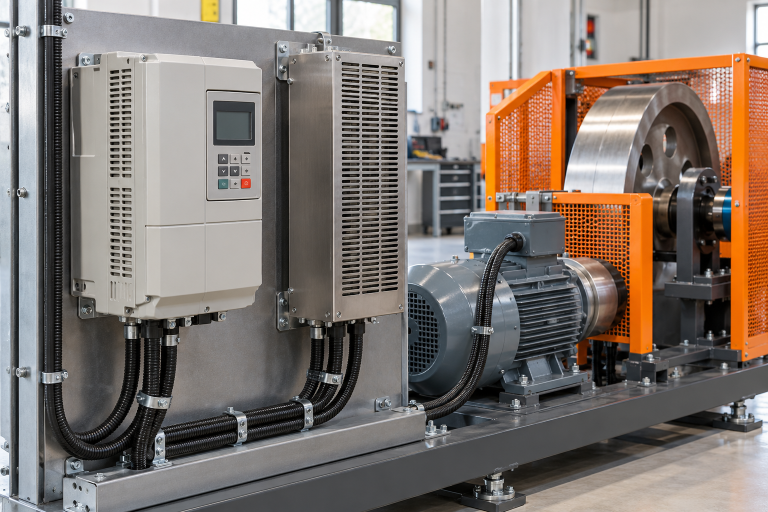
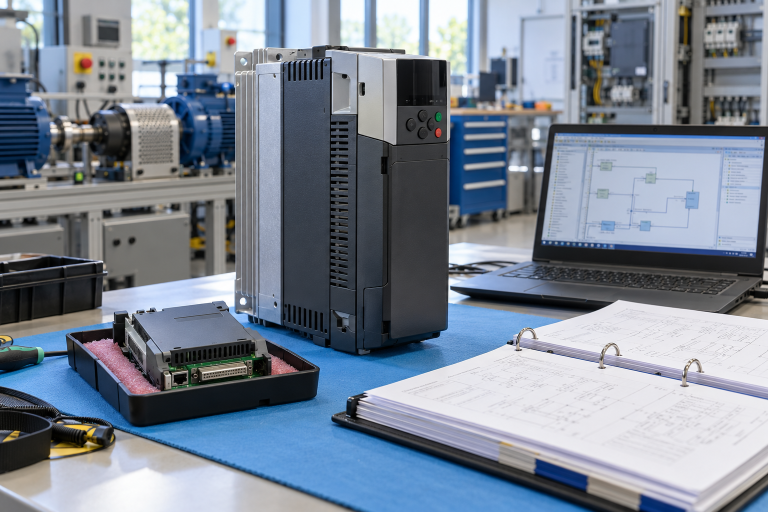
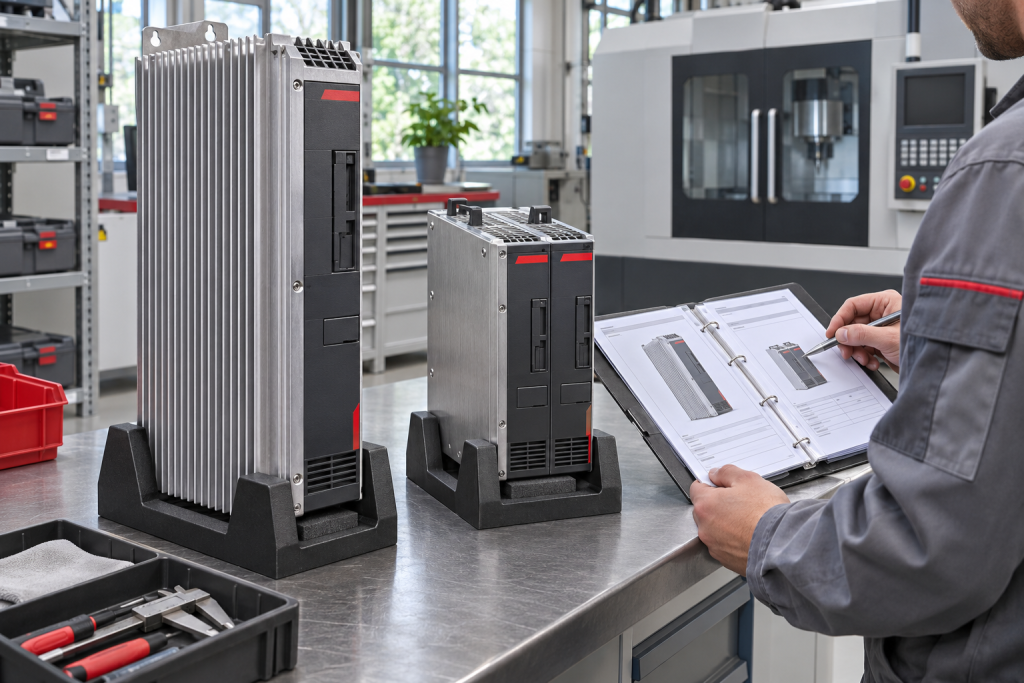
Image: AI-generated editorial illustration, not an exact product photograph or installation reference.
© 2026 DriveKNMS. All rights reserved. Official Website: https://driveknms.com Inquiry: sale@driveknms.com | WhatsApp/Tel: +86 18359293191