A new drive family announcement can trigger two opposite mistakes in an established plant: stopping all purchases of older spares, or ignoring the announcement because the existing motors still run. Neither response connects purchasing to the actual operating horizon of the equipment.
On October 28, 2026, Siemens introduced the next generation of SINAMICS G drives, naming G200, G210C, G210 and G210X alongside the previously introduced G220. For a plant maintaining MICROMASTER 440 equipment, this is a reason to review the future platform strategy. It is not, by itself, an end-of-life notice for every older drive, a promise of local availability, or a declaration that a new G-series unit is a direct replacement.
Separate three purchasing horizons
The immediate horizon is restoration. Which exact drive and associated items would return a stopped asset to its approved operating state? That requirement belongs to the installed machine, not to the newest product announcement. A critical pump with an established recovery procedure may still need a correctly specified legacy spare while its migration project is being designed.
The medium horizon is support through the next funded shutdown. Here the question changes from “what failed today?” to “what do we need until the conversion is actually accepted?” Include realistic engineering, delivery, panel modification, testing and commissioning activities. A budget request without an approved execution window is not a completed migration.
The long horizon is standardization. A new drive platform may offer advantages worth evaluating for future machines or larger refurbishment projects. Those advantages should be assessed against the application’s requirements, support arrangements and total implementation effort. They should not be used to erase the immediate restoration requirement before the new solution exists.
Use article numbers to divide the fleet
“MICROMASTER 440” is too broad a stock description for a recovery plan. Divide the installed population by complete article number, approved configuration, duty and machine interface. Record where a spare is genuinely qualified for multiple assets and where that assumption has never been tested.
An RFQ for a 6SE6440-2UD31-1CA1 MICROMASTER 440 should retain that exact identity. Do not shorten it to a family name and motor power, because a family-level description can hide requirements that matter to installation and commissioning. Ask the responsible engineer to resolve incomplete labels before treating two stock records as interchangeable.
A separately installed 6SE6440-2AD33-0EA1 drive should have its own evidence trail unless an approved engineering assessment explicitly establishes a shared spare. These links identify sourcing references, not an interchangeability recommendation or a statement that either item is immediately available.
Do not let a future project create a present stockout
A practical fleet review puts every drive group into one of three conditions: migration funded and scheduled, migration proposed but uncommitted, or continued legacy operation approved. Assign a responsible person and a review date to each group. This makes a delayed capital project visible to the maintenance planner rather than leaving it hidden in a purchasing assumption.
For the scheduled group, retain recovery coverage until commissioning acceptance and any agreed stabilization period are complete. Define which removed units can enter the spare pool only after inspection and qualification. A drive removed from a running machine is not automatically an accepted warehouse spare, particularly if its condition or service history is uncertain.
For the uncommitted group, avoid reducing stock solely because a migration appears in a presentation. Review recent consumption, repair success, criticality and the consequence of waiting for another unit. For the continued-operation group, establish a repeatable condition and availability review without assuming that yesterday’s quotation remains valid indefinitely.
Compare complete projects, not just drive prices
A migration estimate should distinguish the new drive from the work needed to make it an accepted machine component. Depending on the application, that review may include enclosure layout, cooling, protection, EMC arrangements, motor compatibility, communications, operator controls and any safety-related functions. These are review subjects, not a claim that every installation requires the same modifications.
Also identify the labor and information needed to preserve the process behavior. Speed references, permissives, interlocks, fault handling and operator expectations may be spread across several drawings and programs. An inexpensive hardware quotation can become an expensive shutdown if nobody owns the integration scope.
Keep the commercial comparison honest. A legacy spare buys a defined recovery option; a migration project buys a new approved operating arrangement. They can be complementary investments during a transition. Comparing their purchase prices alone obscures the different risks they address.
Evidence that should change the plan
Update the plan when the OEM issues an applicable lifecycle notice, when a verified supplier changes an actual offer, when repair performance changes, or when the plant approves a migration milestone. Record the source and date. Do not convert a general launch story into a specific last-order deadline or claim a market-wide shortage from one unavailable quotation.
For equipment already covered by a lifecycle notice, use the exact applicable article and regional conditions. The October launch does not reset those conditions. A maintenance planner needs both records: the existing product’s documented status and the new platform’s evaluated suitability.
Questions before the next drive order
Does the new SINAMICS G announcement make our MM440 spare unnecessary?
No. Its necessity depends on the remaining installed fleet, accepted recovery options and migration schedule. Retain appropriate coverage until the replacement arrangement is commissioned, rather than withdrawing it at the announcement stage.
Can we nominate a new G-series drive using motor kilowatts alone?
No. The application’s electrical, control, mechanical and operating requirements need review. A family announcement does not establish a particular successor, retrofit kit or direct replacement for a specific MICROMASTER article number.
Should we buy many legacy drives before availability changes?
Not without a bounded demand assessment. Consider actual consumption, tested stock, repair options and the realistic retirement horizon. Ask for current availability and condition evidence; avoid treating an unverified scarcity claim as an inventory policy.
What information helps DriveKNMS assess a spare inquiry?
Send the complete article number, installed label, quantity, required condition, destination and recovery deadline. Identify whether the request is an exact legacy replacement or an engineering-led migration inquiry so the two scopes are not confused.
DriveKNMS can help clarify a MICROMASTER sourcing request and the evidence needed before shipment. Share the installed requirement and your operating horizon to obtain a focused quotation without prematurely abandoning the fleet you still have to maintain.
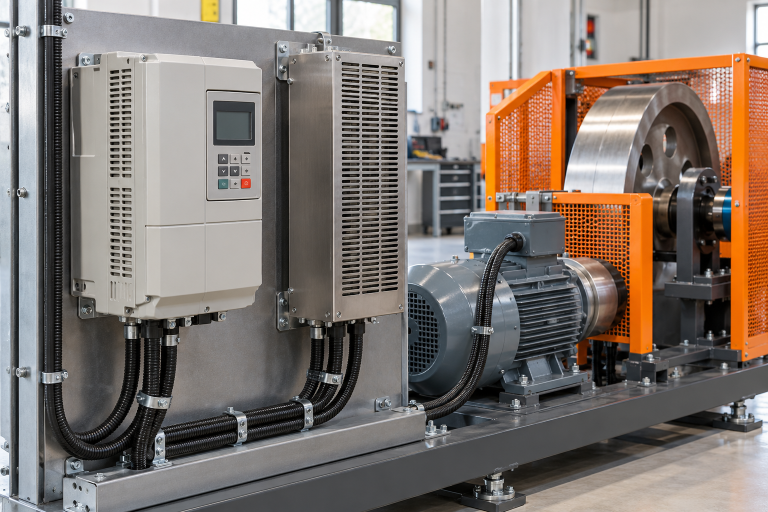
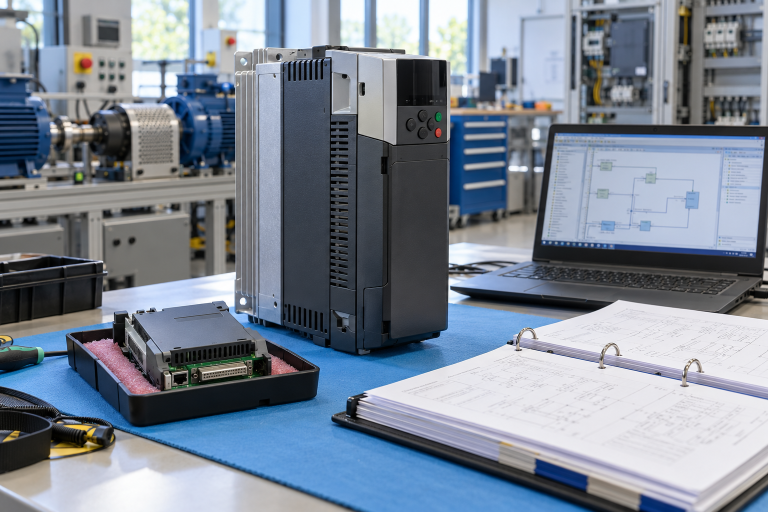
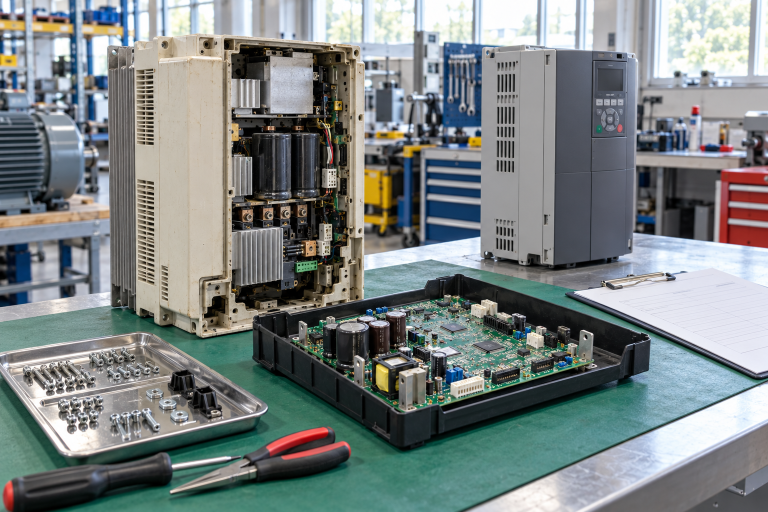
Image: AI-generated editorial illustration, not an exact product photograph or installation reference.
© 2026 DriveKNMS. All rights reserved. Official Website: https://driveknms.com Inquiry: sale@driveknms.com | WhatsApp/Tel: +86 18359293191