A replacement drive can run the motor correctly and still fail the machine’s stopping requirement. The missing part of the story is often outside the inverter: a braking resistor, a separate braking unit, protective circuitry or a load that returns more energy during deceleration than the original acceptance test represented.
For a Yaskawa G7 spare, this is a reason to define the stopping system before comparing available drives. It is not a reason to experiment with shorter ramps or bypass an overvoltage trip. The purchasing question is whether the offered hardware belongs to the approved energy-handling arrangement, and whether the handover includes enough evidence to restore that arrangement.
Follow the energy, not just the motor rating
During deceleration, a rotating load can return energy through the motor to the drive’s DC link. That energy needs an appropriate destination. Depending on the approved system, it may be dissipated through braking hardware or handled by another engineered arrangement. A larger motor-power number on a replacement quotation does not establish that this path exists or is correctly sized.
Yaskawa’s G7 technical manual shows different main-circuit and braking arrangements by drive capacity. Its regional model drawings should not be treated as universal wiring instructions for every G7 suffix. The useful purchasing lesson is narrower: the inverter, braking electronics and resistor assembly are separate identities that must be reconciled against the installed design.
That distinction becomes important on a high-inertia machine. An unloaded motor demonstration can show basic operation while saying little about repeated deceleration with the real load. A successful start is not evidence of a successful stop, and a successful single stop is not evidence of acceptable repeated thermal duty.
What belongs in the replacement boundary?
Begin with the installed inverter label, supply class, motor information and the machine’s approved stopping behavior. Then add the external equipment inventory: resistor assembly, braking unit if present, thermal protection and relevant interlocks. Identify these from controlled drawings and safe inspection records, not from assumptions based on enclosure appearance.
For an inquiry referencing the Yaskawa CIMR-G7A43P7 inverter, include the complete original label and installed braking arrangement. The model is a useful starting point for sourcing, but it does not describe every accessory or prove that a supplier’s test covered your machine’s stopping duty.
A request involving a CIMR-G7A4011 G7 drive needs its own review. Do not treat a different capacity in the same family as an automatic substitute. Physical fit, current rating, control options and the approved braking design all remain relevant. Any proposed departure from the original assembly should be reviewed as an engineering change, not hidden inside a purchasing substitution.
Yaskawa’s braking-unit and resistor installation manual defines supported model ranges and application conditions. Use the applicable revision for the actual equipment. Do not copy resistor values, duty figures or terminal arrangements from a nearby model or an unverified reseller table.
Separate four acceptance questions
Does the offered unit match the requested identity? Verify the full model, revision and included options before shipment. Photograph the actual offered item, not a generic family illustration. Record whether the operator panel, option cards and connector accessories are included or transferred from the installed unit.
Is the existing external braking equipment serviceable? A new inverter does not repair an open resistor, failed protective contact or damaged cable. Have qualified personnel assess these under the approved isolation and discharge procedure. The DC link can remain hazardous after power removal; a stopped motor is not proof of an electrically safe cabinet.
Does the restored configuration match the machine? Identify the approved parameter record and the person responsible for checking it. A supplier’s factory reset is a delivery state, not an application-ready state. Record any intentional changes and their authorization rather than relying on memory after the machine returns to production.
Has the whole stopping requirement been demonstrated? Agree on a controlled commissioning plan with the machine owner. It should address the relevant load conditions and repeat cycle, without defeating safeguards or exceeding equipment limits. Stopping performance that forms part of a safety function requires its own competent validation; ordinary drive functionality does not certify that function.
Use fault history without turning it into a diagnosis
Include when a trip occurs: accelerating, running steadily, decelerating or restarting after a short interval. Note whether the event depends on load, temperature or the number of recent cycles. These observations help the service provider define testing, but they do not identify a failed component on their own.
For example, an overvoltage event during stopping is a symptom worth investigating, not proof that the inverter must be replaced. Conversely, the absence of that trip during an unloaded test does not clear the external braking path. Keep measured evidence, engineering interpretation and the purchase decision in separate fields of the maintenance record.
A useful quotation therefore states the supplied hardware, test scope, exclusions and evidence delivered with the unit. If only a bench functional test is offered, name it accurately. Do not let that phrase expand into a guarantee of process stop time, braking duty or complete machine compliance.
Frequently asked questions
Can a higher-power G7 replace a smaller one without reviewing the braking system?
No. Capacity alone does not establish compatibility with the installed braking hardware, protective devices, mounting or control configuration. Require an application review of the complete proposed arrangement before accepting the substitution.
Is a braking resistor normally included with a replacement inverter?
Do not assume it is. The quotation should explicitly identify every included assembly. Compare that list with the installation drawings and ask which existing components must be reused, inspected or replaced separately.
Does an overvoltage trip prove that the replacement drive is defective?
No. Supply conditions, regenerative energy and the braking path are among the issues requiring investigation. Use the fault record and qualified diagnosis; do not remove protection or repeatedly restart equipment to force a result.
What evidence should purchasing request before dispatch?
Request actual label photographs, delivery condition, included options and the test report’s boundary. Supply the approved braking-system references and ask the provider to identify unresolved compatibility questions in writing.
Send DriveKNMS the G7 nameplate, braking-equipment references and required delivery scope at sale@driveknms.com. We can review the spare inquiry without confusing an inverter quotation with approval of the machine’s complete stopping system.
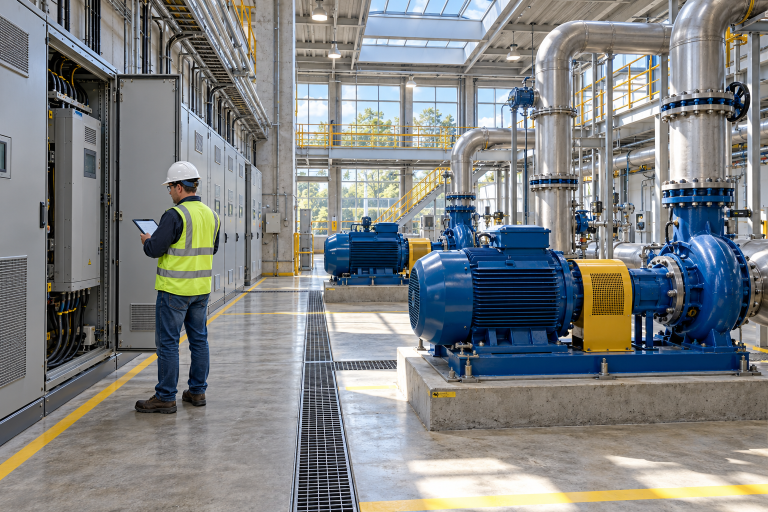
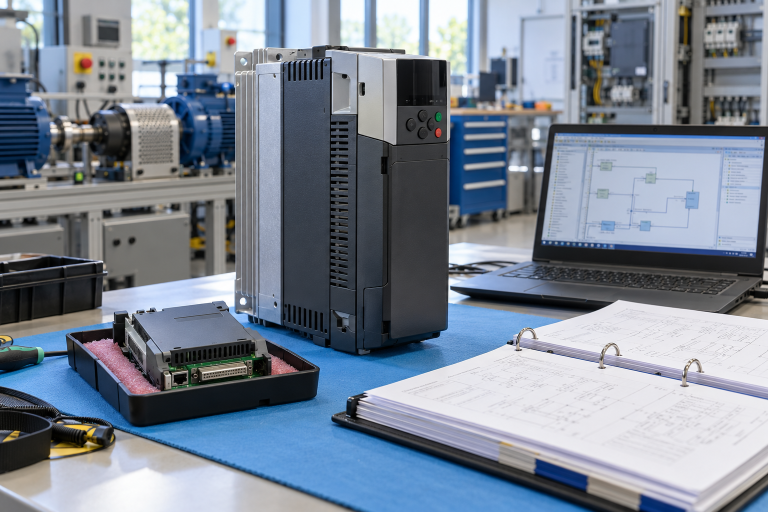
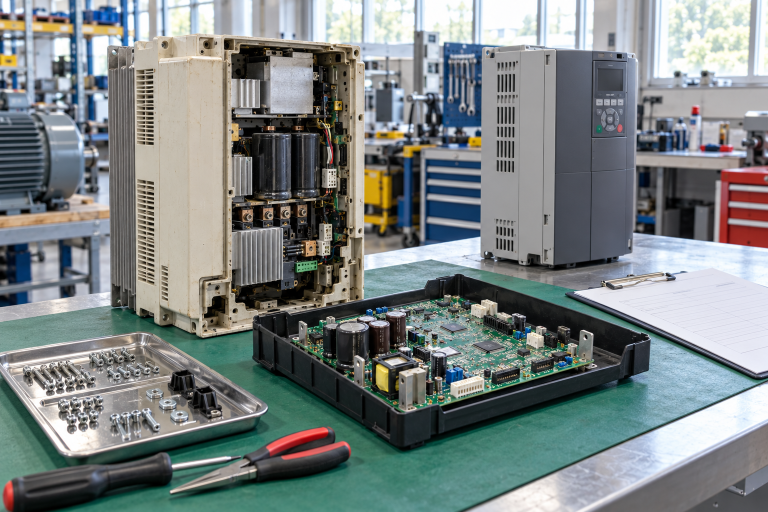
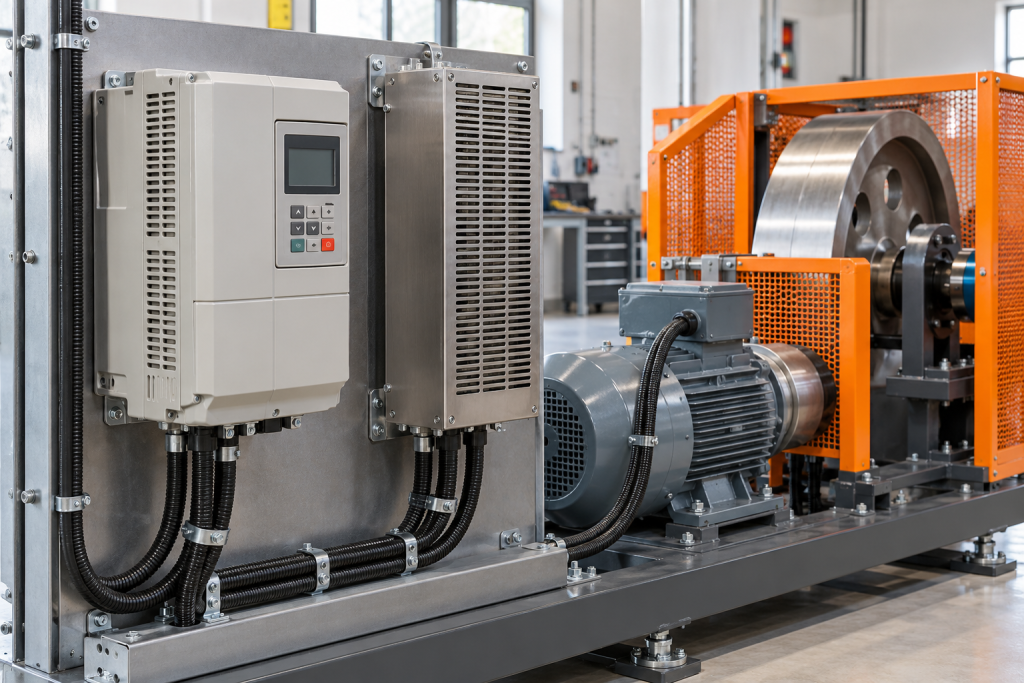
Image: AI-generated editorial illustration, not an exact product photograph or installation reference.
© 2026 DriveKNMS. All rights reserved. Official Website: https://driveknms.com Inquiry: sale@driveknms.com | WhatsApp/Tel: +86 18359293191