A failed board in an FR-A500 can produce two very different purchasing decisions. One restores a particular drive for a defined period while a replacement project proceeds. The other repeatedly funds repairs without ever deciding how the machine will leave the legacy platform. Both may look like the same small purchase order, but their operational consequences are very different.
For a maintenance manager, the distinction matters more than an attractive board price. The correct objective is a recoverable machine with an understood support horizon, not simply a repaired assembly returned to the shelf.
The manufacturer’s service position changes the decision
Mitsubishi Electric’s United States A500 legacy information states that repair service is not available and identifies the A800 family as the most suitable replacement direction. This is an existing regional service statement, not an October 2026 discontinuation announcement. Confirm the applicable position with the manufacturer for the installed equipment and region.
Independent repair and surplus supply may still be commercial options. They do not reinstate the manufacturer’s service commitment. A plant should therefore evaluate a third-party repair as a specific technical and commercial proposal, with its own scope, exclusions and acceptance evidence.
A board identity is narrower than a drive identity
Before requesting a repair or replacement board, capture the complete drive model, voltage class, capacity, serial information and installed options. Then record the board’s markings, revision and connector arrangement. A similar board layout or shared family name does not prove that an assembly is suitable for every drive within that family.
The A50CA55C / BC186A433G53 FR-A500 board listing is a starting point for an identified parts enquiry, not an approved interchangeability matrix. Ask the supplier to connect the offered board’s evidence to your exact drive. Do not infer a match from the catalogue heading or assume that a replacement board arrives with machine-specific settings.
Keep the removed assembly identifiable even if it is being sent away. Photograph it before packing, preserve the reported symptoms, and separate the drive’s observed fault indication from the technician’s unconfirmed diagnosis. That prevents a repair report from being mistaken for proof that the entire machine fault has been resolved.
Define what the repair actually buys
A useful repair proposal explains the diagnosed fault, work performed, test coverage and unresolved limitations. A board-only test may not reproduce the stresses, cooling conditions or option interactions of the complete inverter. Conversely, a complete-drive test still needs a documented operating envelope; an idle power-on demonstration says little about performance under the machine’s real demand.
Ask whether the service covers only the reported failure or also evaluates other relevant aging components. The answer need not be an unlimited overhaul, but it must be explicit. Without that boundary, a plant can pay for successive individual repairs while assuming it has purchased a renewed drive.
Agree the acceptance criteria before authorizing work. Define who will review the report, whether further controlled testing is required and what happens if the original symptom returns. State the warranty scope and return conditions in writing. These are commercial controls, not a substitute for qualified electrical assessment.
Compare two complete recovery paths
The repair path includes diagnosis, transport, supplier work, return inspection, installation and machine validation. The renewal path includes application engineering, equipment, panel modifications, software or network work, installation and commissioning. Compare these complete paths rather than contrasting a board price with a new inverter price.
Record the period the repair is intended to cover. It might bridge an already approved shutdown, support a low-utilization spare machine or allow time to redesign an unusual interface. Give that period an owner and a review date. A bridge with no destination is simply continued dependence on aging equipment.
Do not select the replacement solely from the old drive’s front-panel power rating. The engineering review should establish motor requirements, load duty, braking or regeneration needs, command interfaces, protection functions and installation constraints. The manufacturer’s family-level migration direction does not approve a particular order code for a particular machine.
A stop condition is as valuable as a purchase approval
Before another repair, decide what evidence would end the repair strategy. Examples include an unresolvable identification mismatch, an unavailable essential option, repeated failures with no credible diagnosis, or inability to validate the repaired assembly safely. These are decision categories, not claims about the failure rate of any specific FR-A500.
Document what production will do if the repair fails its acceptance test. The alternative may be a controlled shutdown extension rather than an improvised substitution. Make this visible to operations and procurement early, while they can still plan resources, instead of leaving the decision to the electrician during restart.
Practical questions
Does unavailable OEM repair mean the drive must be scrapped immediately?
No. It means the plant cannot assume that service route exists. A qualified assessment may support continued operation or independent repair, but the decision needs an explicit risk owner, evidence and a credible future recovery plan.
Can a supplier test only the board and certify the whole inverter?
A board-level result should be described as board-level evidence. Ask what was actually tested and what remains unverified. Complete-drive and machine validation are separate activities with different operating conditions and responsibilities.
Is an A800 automatically a plug-in replacement for every A500?
No. Treat the manufacturer’s replacement direction as the start of engineering selection. Review the exact motor, duty, installation, options and control interfaces before approving the proposed hardware and commissioning plan.
What makes an enquiry useful before the next shutdown?
Provide the drive and board labels, symptoms, required quantity, intended bridge period, acceptable condition and destination. Include the evidence needed for acceptance and distinguish a board purchase from a complete-drive repair request.
For a scoped sourcing review, send those details through the DriveKNMS enquiry page. A precise request allows the team to discuss the identified spare without implying factory support, guaranteed repairability or an unverified replacement match.
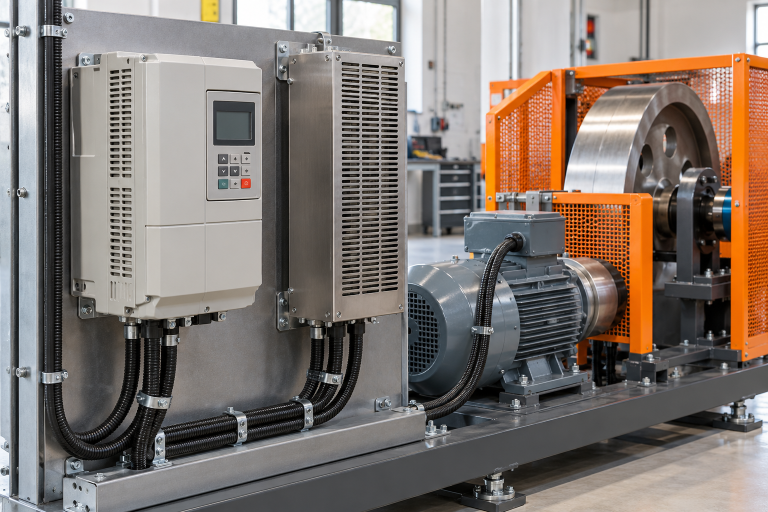
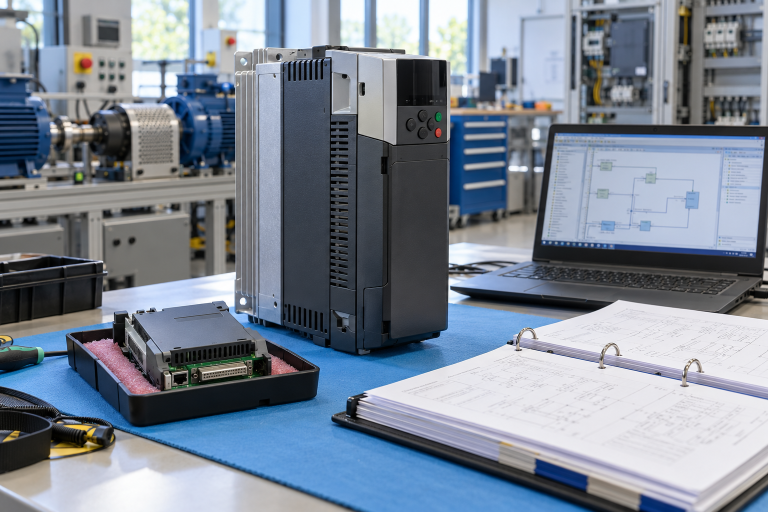
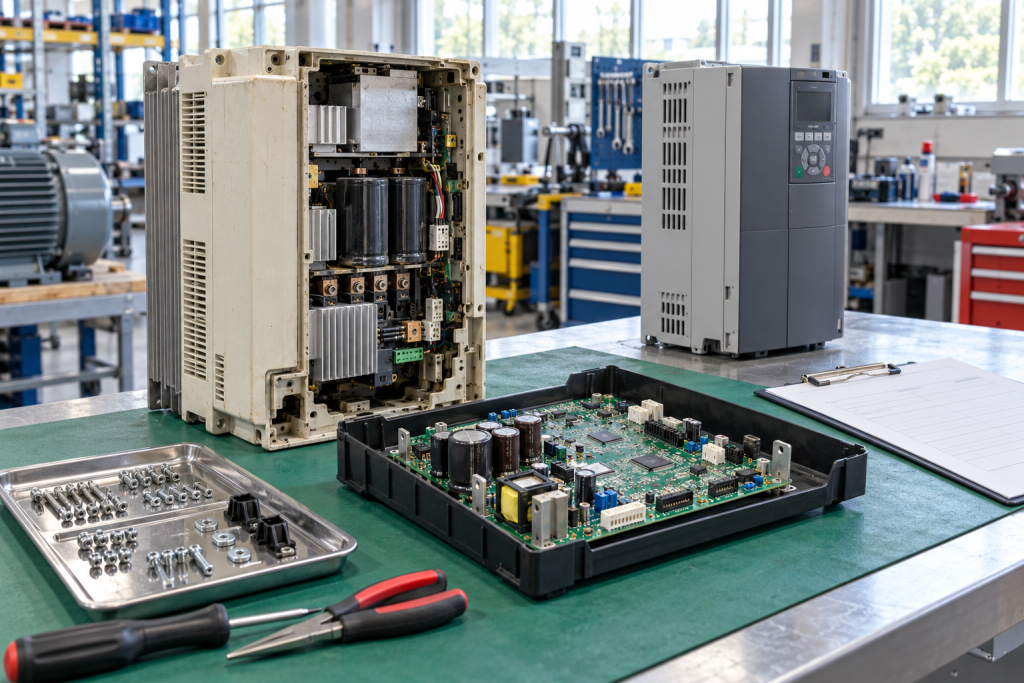
Image: AI-generated editorial illustration, not an exact product photograph or installation reference.
© 2026 DriveKNMS. All rights reserved. Official Website: https://driveknms.com Inquiry: sale@driveknms.com | WhatsApp/Tel: +86 18359293191