A replacement drive can arrive with the expected power rating and still leave the technician holding a terminal plug that does not belong to its I/O module. On a Lenze 8200 vector installation, the small connector arrangement deserves attention before the purchase order, not after the old unit has been removed. Matching the large drive label is only the beginning of identifying the package.
This is a particularly useful distinction when a maintenance request says only “complete inverter.” To one person, complete means the power unit. To another, it includes a function module, plugs, keypad and the settings needed to reconnect the machine. Neither interpretation should be left implicit when an outage depends on the delivery.
A specific warning from Lenze
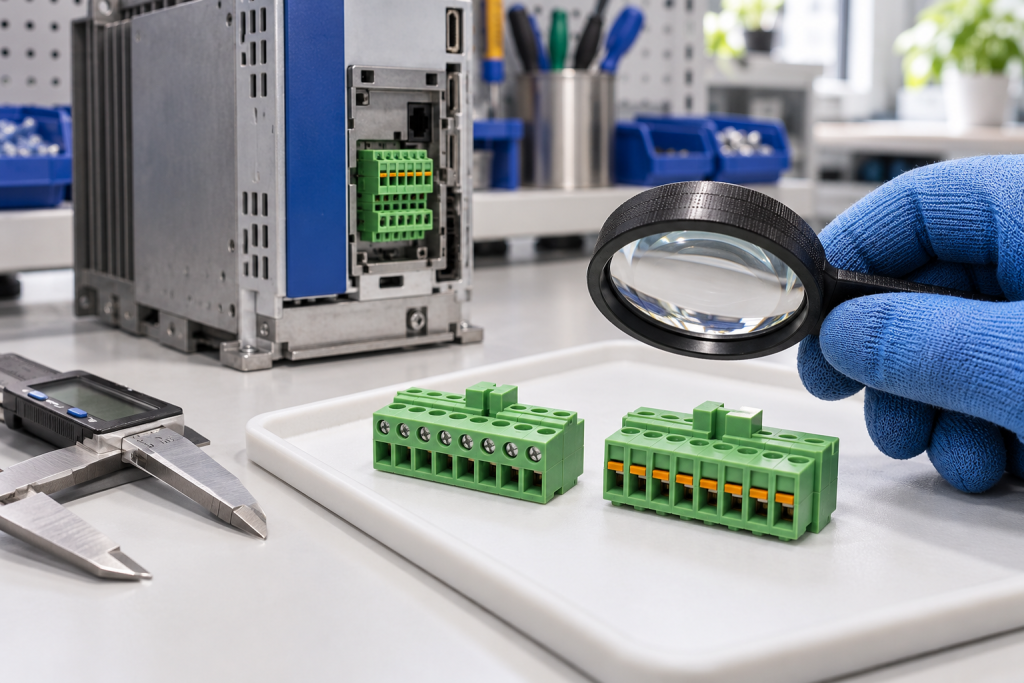
Lenze’s Standard-I/O terminal-design note distinguishes E82ZAFSC, E82ZAFSC010 and E82ZAFSC100. It identifies different terminal constructions and warns that the plugs of the two pluggable variants are not mutually compatible. Their mechanical features differ, and exchanging the plugs can produce incorrect terminal assignment.
That warning is narrower, and more useful, than a general claim that all green connectors are interchangeable. It does not establish which option is present on a particular drive in your plant. Read the function-module identity and examine the actual connector against the applicable documentation. Do not grind locating features, force a plug or assume that a similar number of terminals makes the pin assignment safe.
Read three identities, not one
The first identity is the base drive. A sourcing conversation about the Lenze E82EV751K4C inverter should retain that complete reference and its label evidence. The listing gives procurement a specific starting point; it does not prove which optional function module, terminal plug or accessories will be included in a particular offer.
The second identity is the fitted function module. Photograph its label and connection face without disturbing wiring. If access requires opening equipment or removing covers, follow the site’s electrical safety and isolation procedure. A photo taken during an approved shutdown can prevent repeated uncertainty on future purchases.
The third identity is the plug and its installed wiring. Capture both the molded features and the numbered connections. Keep a record of whether a plug is removable, which terminal technology it uses, and whether it will be retained or supplied anew. The purpose is to make a reproducible comparison, not to produce an attractive photograph of the outside of the drive.
Translate “complete” into a delivery boundary
Write the quotation request as a short package description. Identify the base unit, required function module, matching terminal components and any accessories that must accompany them. State separately what the site intends to reuse. Ask the supplier to mark every item as included, excluded or requiring confirmation before accepting the offer.
This approach also improves price comparisons. One quotation may cover a bare drive and another a configured assembly. Comparing only the headline amount conceals the missing work. A low price is not a saving if a connector mismatch prevents the planned recovery or requires unapproved rewiring during the shutdown.
Do not turn an accessory requirement into an unsupported availability claim. A supplier should confirm the actual offered combination, condition and evidence at quotation time. Photographs from a generic catalog page are not a substitute for identification of the unit or package being proposed.
Receiving inspection before the maintenance window
At receipt, compare the delivery against the agreed package while there is still time to resolve discrepancies. Check the base-unit reference, function-module marking, terminal construction and visible damage. Look for broken latches, stressed housings, missing contact parts or an assembly that differs from the approved photographs. Quarantine uncertain items instead of silently accepting them as emergency stock.
Keep visual inspection separate from electrical qualification. Connector appearance cannot establish correct function. An approved test should use the correct documentation, safe test equipment and an appropriate configuration. Do not apply power to an uncertain terminal arrangement simply to see whether the drive responds.
If existing field wiring will be transferred, prepare a terminal-by-terminal reconciliation. Record the old identification, the intended new location and the verification method. Have the responsible engineer resolve differences before the job starts. A wire number copied onto a different terminal does not preserve its electrical meaning.
Return the machine, not merely the inverter
After installation, the acceptance scope should connect the physical interfaces to the machine’s intended behavior. Confirm the approved command source, reference path, direction, enabling conditions and fault response. Parameter recovery matters, but it cannot correct a wrong physical connection. Likewise, a correct plug cannot compensate for an incorrect configuration.
Use the site’s controlled commissioning procedure, with guards, isolation boundaries and operations permissions appropriate to the machine. Record what was verified and what remains untested. Never use a successful unloaded run as evidence that every production interlock and operating state has been qualified.
Practical questions
Can I reuse the old terminal plug if it appears to fit?
Appearance alone is insufficient. Compare the exact function-module and plug variants with Lenze’s documentation. The manufacturer’s warning about the two pluggable Standard-I/O variants is a reason to stop and verify, not to overcome a mechanical mismatch.
Does an E82EV drive reference identify the complete I/O package?
Do not assume that a supplier’s abbreviated drive description defines all included accessories. Request explicit identification of the fitted function module and terminal components. Preserve label photographs alongside the purchasing record so the package can be checked again later.
What if the quotation does not mention the plug?
Ask whether it is included, which reference or variant is offered, and what evidence will accompany it. Resolve the omission before ordering if the connector is needed for recovery. An unspoken assumption is difficult to resolve when the machine is already isolated.
Should we rewrite the wiring to accept an available variant?
Only through an approved engineering change with documented compatibility, revised drawings and validation. Availability is not sufficient justification for improvising terminal assignments. When a controlled change is impractical, source the correctly identified package instead.
Use the DriveKNMS quotation contact to send the base-drive label, function-module marking and clear connector photographs. Include quantity, condition requirements and destination. Those details make a more reliable inquiry than asking for an 8200 vector drive by power rating alone.
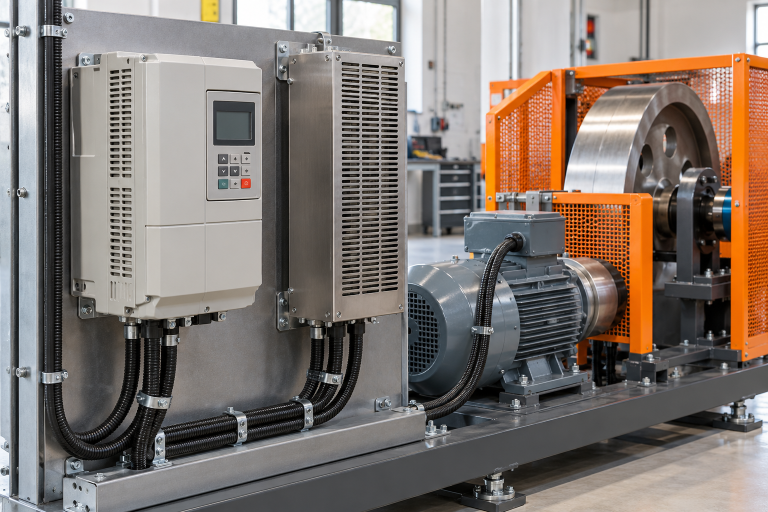
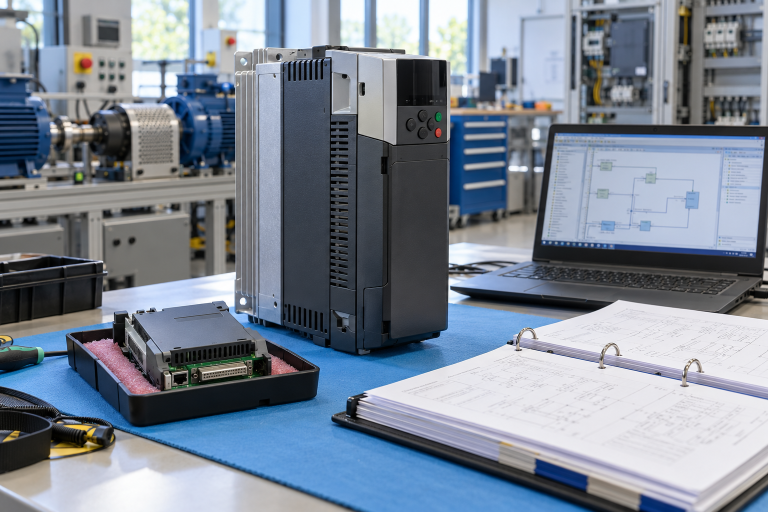
Image: AI-generated editorial illustration, not an exact product photograph or installation reference.
© 2026 DriveKNMS. All rights reserved. Official Website: https://driveknms.com Inquiry: sale@driveknms.com | WhatsApp/Tel: +86 18359293191