
Allen-Bradley 1756-OB16E Digital Output Module – ControlLogix 16-Point Spare Part
Allen-Bradley 1756-OB16E is listed for ControlLogix RFQ review. Confirm quantity, condition and destination before quotation.
RFQ-ready industrial model
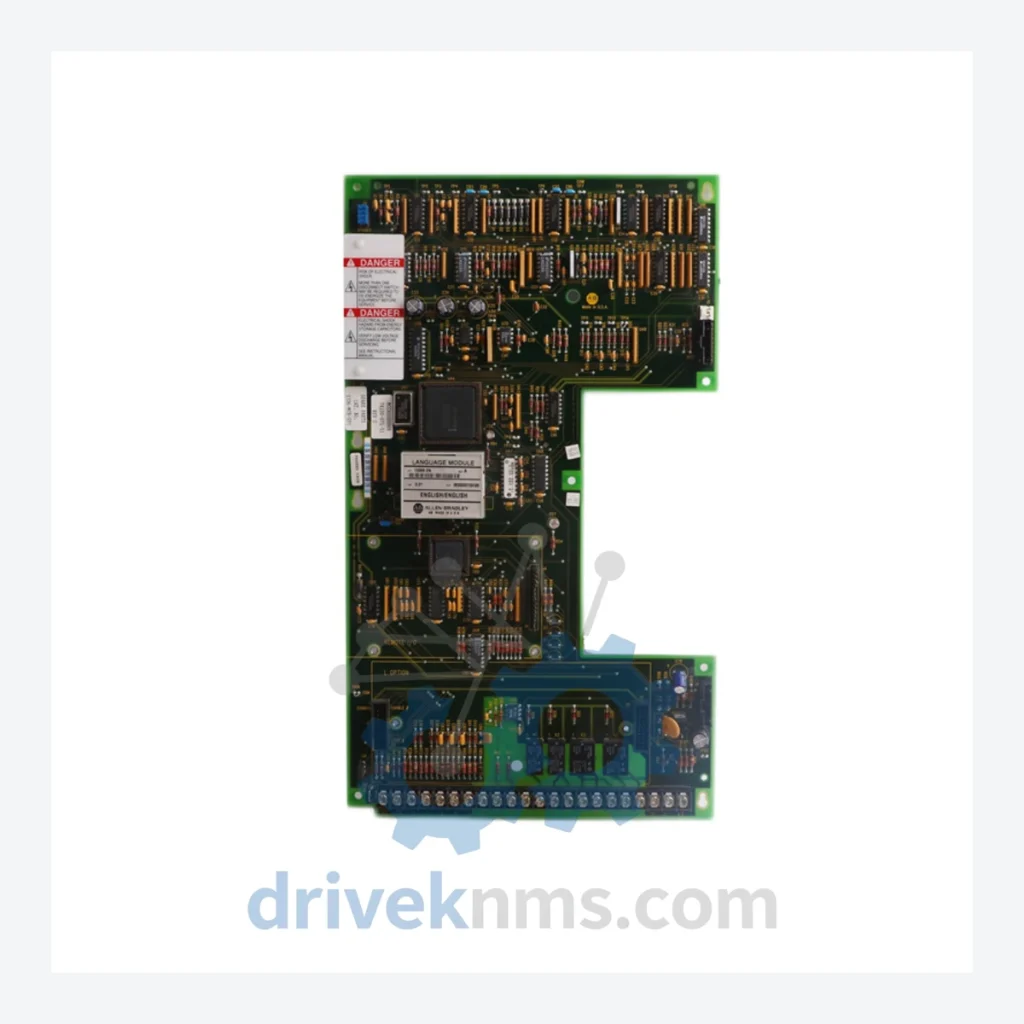
Model: 1336-MCB-SP1 74100-071-51
Product Overview
Commercial availability is handled through direct RFQ, model verification and export-oriented follow-up rather than public cart checkout.
Datasheet Preview
Use attached product manuals when available. If the manual is not public yet, request the full file directly through RFQ.
Commercial Path
Product pages on DRIVEKNMS are designed to verify model, brand and series first, then move the buyer into one clean quotation path.
Technical Dossier
DriveKNMS reviews sourcing status and documentation for this model during RFQ handling before quotation.
RFQ support for obsolete parts: Send the model number, required quantity and destination so DriveKNMS can confirm sourcing options before quotation.
| Part Number | 1336-MCB-SP1 |
|---|---|
| Reference / Assembly No. | 74100-071-51 |
| Description | PC Board, Main Control |
| Compatible Drive Series | Allen-Bradley 1336 PLUS (1336S) AC Variable Frequency Drive |
| Manufacturer | Allen-Bradley / Rockwell Automation |
| Country of Origin | United States |
| Product Status | Discontinued / Obsolete – No longer manufactured by OEM |
| Typical Legacy Systems | Allen-Bradley 1336 PLUS drives integrated with PLC-5, SLC 500, and early ControlLogix platforms |
Note: Electrical parameters specific to individual drive ratings are not published here to prevent misapplication. Contact our technical team to confirm compatibility with your drive nameplate data before ordering.
The Allen-Bradley 1336 PLUS was a workhorse of North American and global industrial automation through the 1990s and into the 2000s. It remains embedded in paper mills, water treatment facilities, mining conveyors, HVAC systems, and food processing lines — applications where the surrounding infrastructure was engineered around its specific behavior and communication protocols.
The main control board is the most failure-prone assembly in any AC drive. It carries the microprocessor, gate drive logic, and fault detection circuitry. A single failed capacitor or corrupted firmware can render an otherwise functional drive inoperable. Replacing the board — not the entire drive — is the correct first-line maintenance response, provided the board can be sourced.
Facilities that have extended 1336 PLUS service life by 5 to 10 years through targeted board-level maintenance report the following approach: maintain a minimum of two spare control boards per critical drive, establish a documented inspection interval of 18 to 24 months for electrolytic capacitor condition, and retain a copy of the drive parameter file before any board swap. This strategy eliminates the single point of failure that forces emergency capital decisions.
Sourcing a discontinued control board from the secondary market carries legitimate risk. DriveKNMS applies a five-step qualification process to every 1336-MCB-SP1 unit before it is offered for sale:
Q: How are RFQ terms confirmed?
A: Quantity, required condition, documentation needs, destination and sourcing route are confirmed during RFQ review before quotation.
Step 2 – Electrolytic Capacitor Assessment: Capacitors are the primary age-related failure point on boards of this generation. Each electrolytic capacitor is tested for capacitance value, ESR (equivalent series resistance), and leakage. Units showing degradation are flagged and not offered as serviceable spares.
Step 3 – Firmware Version Verification: Where readable, the firmware revision is documented and disclosed. Customers are advised to confirm compatibility with their existing drive revision before installation.
Step 4 – Pin and Connector Integrity Check: All edge connectors and board-to-board connectors are inspected for oxidation, corrosion, and mechanical damage. Affected contacts are cleaned or the unit is rejected.
Step 5 – Functional Cross-Reference: Board assembly number and revision markings are cross-referenced against known-good reference data to confirm the unit is the correct assembly for the application.
Units that pass all five steps are classified as Tested Surplus. Units that pass visual and mechanical checks but cannot be powered for functional test are classified as Inspected Surplus and priced accordingly. Condition is disclosed in full at the time of quotation.
The 1336-MCB-SP1 is a direct board-level replacement for the original assembly. Installation does not require drive reprogramming provided the replacement board carries a compatible firmware revision — a condition DriveKNMS verifies and discloses prior to shipment. There is no requirement to modify the surrounding panel wiring, update PLC logic, or engage a system integrator for commissioning.
For facilities managing multiple 1336 PLUS installations, a structured spare parts holding strategy — maintaining one to two control boards per critical drive in climate-controlled storage — provides a documented risk mitigation posture that satisfies both maintenance management and insurance requirements.
How do I confirm this is a genuine Allen-Bradley assembly and not a counterfeit?
Every unit we supply carries original Rockwell Automation board markings, assembly numbers, and date codes where present. We document these at the time of inspection and provide photographs upon request before purchase. We do not supply boards that have been remarked or whose provenance cannot be established.
Should I buy more than one unit?
For any production-critical application, yes. The 1336-MCB-SP1 is no longer manufactured. Secondary market availability is finite and decreasing. Facilities that have experienced one control board failure on a 1336 PLUS drive statistically face a second failure within 24 to 48 months as the remaining boards in the same installation age at the same rate. Holding a minimum of two spare boards per critical drive is the standard recommendation for legacy system asset protection programs.
Continue The Model Path
Move from this exact model into the matching system hub, brand archive, model-family archive or lifecycle sourcing route before sending a final RFQ list.
Related Paths
Allen-Bradley 1756-OB16E is listed for ControlLogix RFQ review. Confirm quantity, condition and destination before quotation.
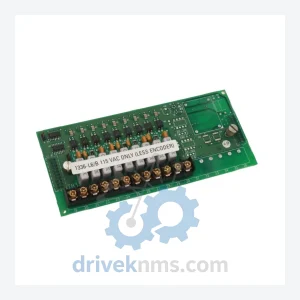
Allen-Bradley 1336-L6/B is listed for Controller Cards RFQ review. Confirm quantity, condition and destination before quotation.
Allen-Bradley 1786-BNC is listed for Controller Cards RFQ review. Confirm quantity, condition and destination before quotation.