
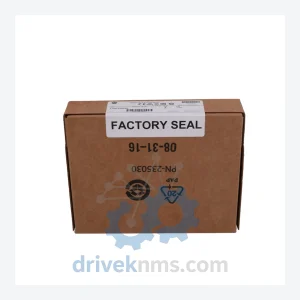
Allen-Bradley 1756-OB16E Digital Output Module – ControlLogix 16-Point Spare Part
Allen-Bradley 1756-OB16E is listed for ControlLogix RFQ review. Confirm quantity, condition and destination before quotation.
RFQ-ready industrial model
Model: 1336-MCB-SP2D
Product Overview
Commercial availability is handled through direct RFQ, model verification and export-oriented follow-up rather than public cart checkout.
Datasheet Preview
Use attached product manuals when available. If the manual is not public yet, request the full file directly through RFQ.
Commercial Path
Product pages on DRIVEKNMS are designed to verify model, brand and series first, then move the buyer into one clean quotation path.
Technical Dossier
DriveKNMS maintains sourced inventory of this board specifically to serve facilities that have made a deliberate, financially sound decision to extend the operational life of their 1336 PLUS assets rather than undergo premature system retirement.
RFQ support for obsolete parts: Send the model number, required quantity and destination so DriveKNMS can confirm sourcing options before quotation.
Note: Electrical parameters are not published here to prevent misapplication. Please confirm your drive nameplate data and firmware revision with our technical team before ordering.
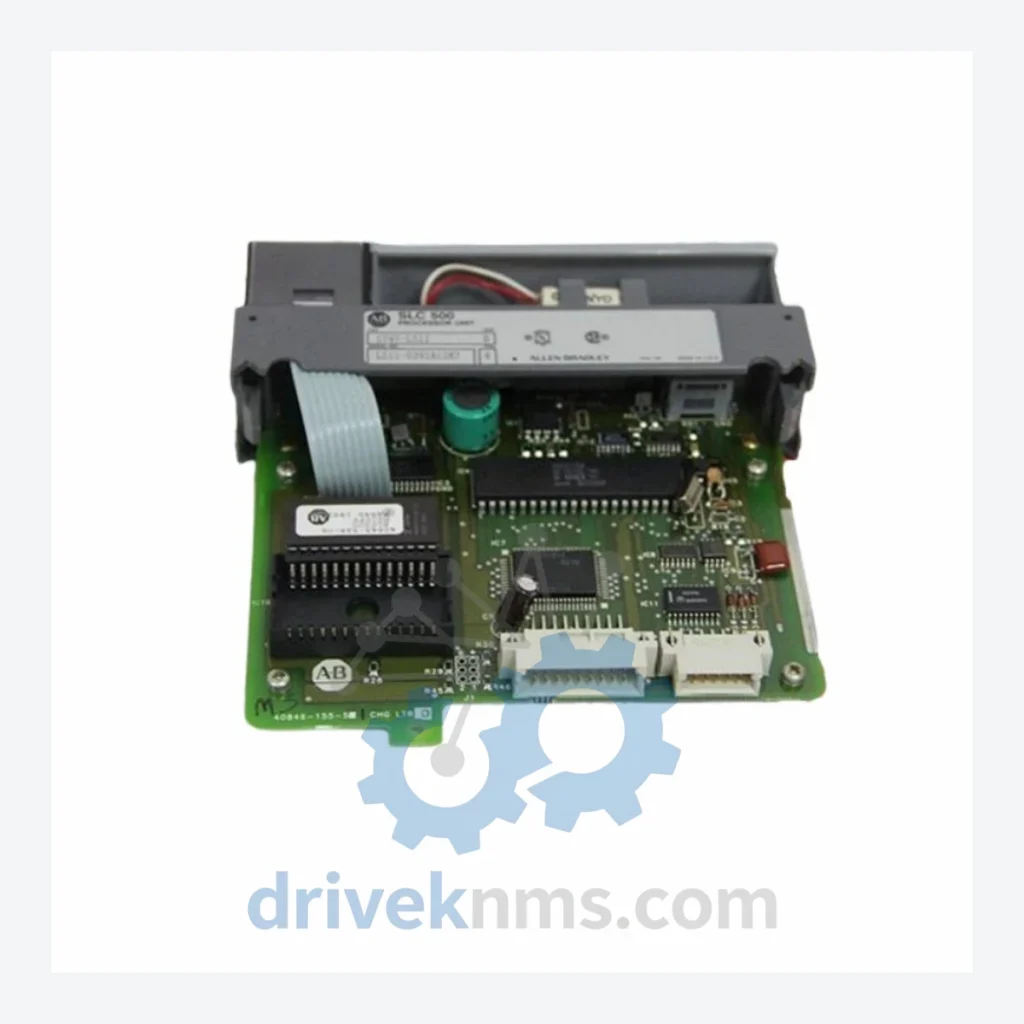
The 1336-MCB-SP2D is the central intelligence of the 1336 PLUS drive. It manages speed reference processing, fault diagnostics, communication adapter interfacing (including 1336-GM1, 1336-BAS, and DeviceNet adapter slots), and the core PWM control logic. When this board fails, the drive is non-functional — there is no partial workaround.
Facilities that have operated 1336 PLUS drives for 15 to 25 years have accumulated something that cannot be purchased: institutional knowledge. Your maintenance technicians know the quirks of these drives. Your PLC programs are tuned to their response characteristics. Your operators understand the HIM interface. Discarding that accumulated expertise — along with the drives themselves — because a single control board failed is a decision that deserves serious financial scrutiny before it is made.
A documented strategy used by asset-conscious plant engineers is the critical spare buffer approach: procuring one or two 1336-MCB-SP2D boards as on-shelf insurance. The cost of two spare boards is typically less than 2% of the cost of a single forced drive replacement project. For facilities with five or more 1336 PLUS drives still in service, this is not optional maintenance planning — it is basic asset protection.
The 1336 PLUS platform, when properly maintained, is mechanically and electrically capable of continued service. The control board is the most failure-prone component due to electrolytic capacitor aging and environmental exposure. Addressing this specific vulnerability extends the viable service life of the entire drive by 5 to 10 years in most industrial environments.
DriveKNMS applies a structured 5-step quality process to all obsolete control boards before dispatch review:
Q: How is condition confirmed before quotation?
A: Available condition, photos, test records and documentation are checked according to the requested model and sourcing channel before a formal RFQ response.
Q: How are RFQ terms confirmed?
A: Quantity, required condition, documentation needs, destination and sourcing route are confirmed during RFQ review before quotation.
Continue The Model Path
Move from this exact model into the matching system hub, brand archive, model-family archive or lifecycle sourcing route before sending a final RFQ list.
Related Paths
Allen-Bradley 1756-OB16E is listed for ControlLogix RFQ review. Confirm quantity, condition and destination before quotation.
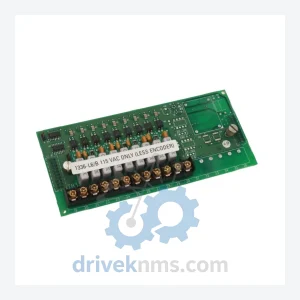
Allen-Bradley 1336-L6/B is listed for Controller Cards RFQ review. Confirm quantity, condition and destination before quotation.
Allen-Bradley 1786-BNC is listed for Controller Cards RFQ review. Confirm quantity, condition and destination before quotation.