
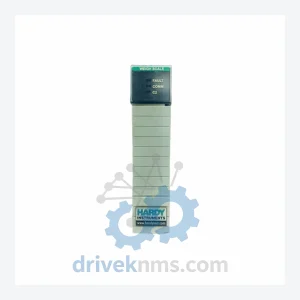
HARDY 1746-WS Weigh Scale Module – Obsolete SLC 500 Spare Part
Hardy Process Solutions 1746-WS is listed for SLC 500 RFQ review. Confirm quantity, condition and destination before quotation.
RFQ-ready industrial model
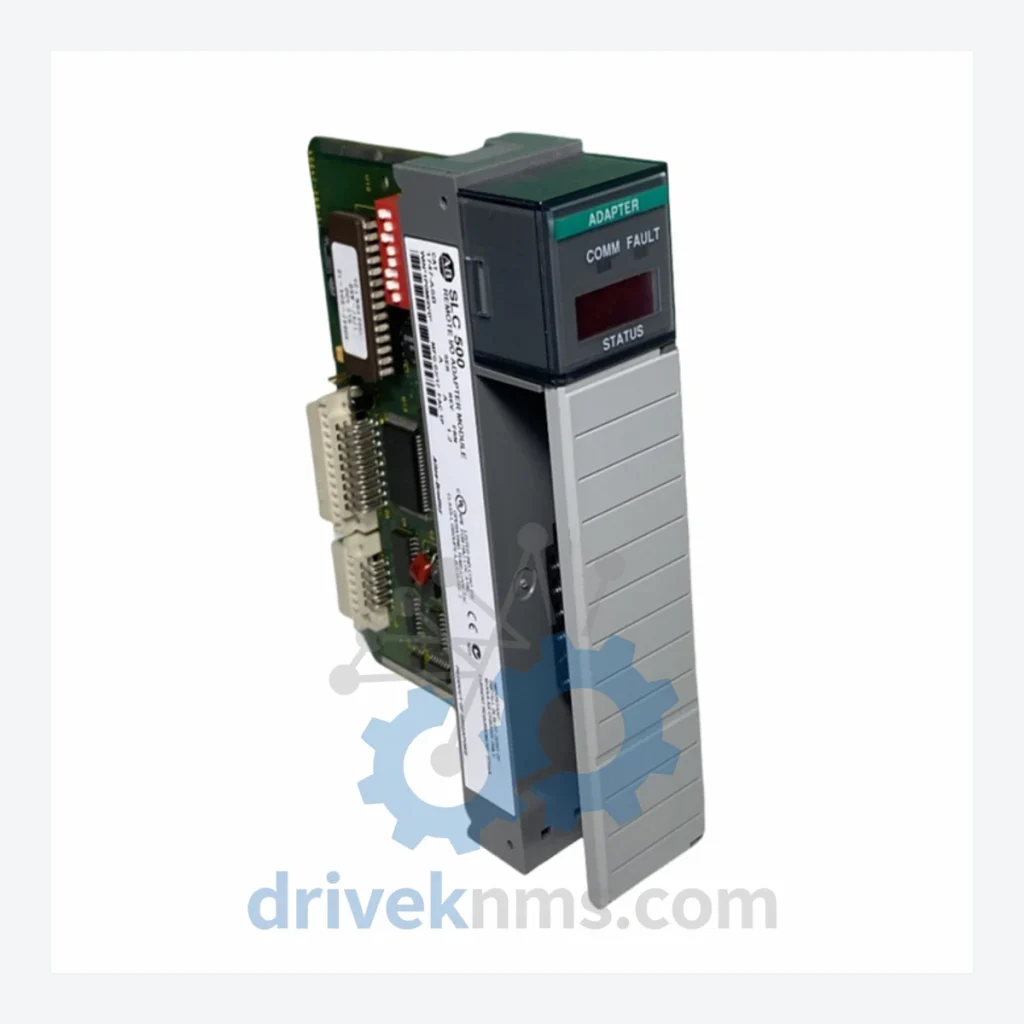
Model: 1747-ASB
Product Overview
Commercial availability is handled through direct RFQ, model verification and export-oriented follow-up rather than public cart checkout.
Datasheet Preview
Use attached product manuals when available. If the manual is not public yet, request the full file directly through RFQ.
Commercial Path
Product pages on DRIVEKNMS are designed to verify model, brand and series first, then move the buyer into one clean quotation path.
Technical Dossier
RFQ support for obsolete parts: Send the model number, required quantity and destination so DriveKNMS can confirm sourcing options before quotation.
| Part Number | 1747-ASB |
| Manufacturer | Allen-Bradley (Rockwell Automation) |
| Series | SLC 500 |
| Module Type | Remote I/O Adapter |
| Communication Protocol | Remote I/O (RIO) – 57.6K / 115.2K / 230.4K baud |
| Backplane Current Draw | 800 mA @ 5 VDC |
| Operating Temperature | 0°C to 60°C (32°F to 140°F) |
| Discontinuation Status | Discontinued – No longer manufactured by Rockwell Automation |
| Compatible Systems | SLC 500 fixed and modular chassis; PLC-5 Remote I/O networks |
| Country of Origin | United States |
The 1747-ASB was the standard remote I/O adapter across thousands of SLC 500 installations in automotive, food & beverage, water treatment, and discrete manufacturing. Its role is not cosmetic — it manages the real-time scan of remote I/O racks over the RIO network, a function that cannot be replicated by a software patch or a generic substitute.
Rockwell's end-of-life announcement for the SLC 500 platform placed plant managers in a difficult position: either fund a full migration to a modern Logix platform, or maintain the existing infrastructure with verified spare parts. For facilities running 24/7 operations, the migration path carries unacceptable risk during the transition window. The practical answer — the one adopted by asset-conscious operations teams globally — is a structured spare parts strategy built around modules like the 1747-ASB.
Extending the operational life of an SLC 500 system by 5 to 10 years through targeted spare parts procurement costs a fraction of a platform migration. A single 1747-ASB held in bonded inventory eliminates the single point of failure that would otherwise force an emergency decision under production pressure. For facilities managing multiple SLC 500 lines, holding two units per critical node is a defensible capital allocation — the cost is measured in thousands, the avoided loss in millions.
DriveKNMS maintains sourced inventory of the 1747-ASB through established industrial surplus and OEM channel networks. Each unit is individually inspected before dispatch review.
Obsolete hardware sourced from the secondary market carries inherent risk. DriveKNMS applies a 5-step inspection protocol to every 1747-ASB unit before it leaves our facility:
Condition grade (New Surplus, Refurbished, or Used-Tested) is disclosed on every order confirmation.
Q: How do I confirm the unit is genuine Allen-Bradley and not a counterfeit?
A: All units are sourced from traceable industrial channels. We provide the catalog label, revision markings, and inspection report with each shipment. Customers are encouraged to verify the catalog number and series letter against Rockwell's published documentation.
Q: Should I buy more than one unit?
A: For any SLC 500 system running critical production, holding a minimum of one spare 1747-ASB per RIO network segment is standard practice. Given the declining availability of this part in the secondary market, procurement teams managing multi-line facilities typically secure 2–4 units per site. Inventory is finite and not replenishable on demand.
Q: Can the 1747-ASB be used with PLC-5 Remote I/O networks?
A: The 1747-ASB is designed for SLC 500 chassis. For PLC-5 RIO adapter requirements, separate part numbers apply. Contact us to confirm compatibility with your specific architecture.
Continue The Model Path
Move from this exact model into the matching system hub, brand archive, model-family archive or lifecycle sourcing route before sending a final RFQ list.
Related Paths
Hardy Process Solutions 1746-WS is listed for SLC 500 RFQ review. Confirm quantity, condition and destination before quotation.
ProSoft Technology 2150-AGA 1747-KE is listed for SLC 500 RFQ review. Confirm quantity, condition and destination before quotation.
ProSoft Technology MVI46-GSC is listed for SLC 500 RFQ review. Confirm quantity, condition and destination before quotation.