
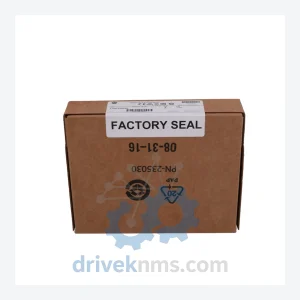
Allen-Bradley 1756-OB16E Digital Output Module – ControlLogix 16-Point Spare Part
Allen-Bradley 1756-OB16E is listed for ControlLogix RFQ review. Confirm quantity, condition and destination before quotation.
RFQ-ready industrial model
Model: 1784-PKTX
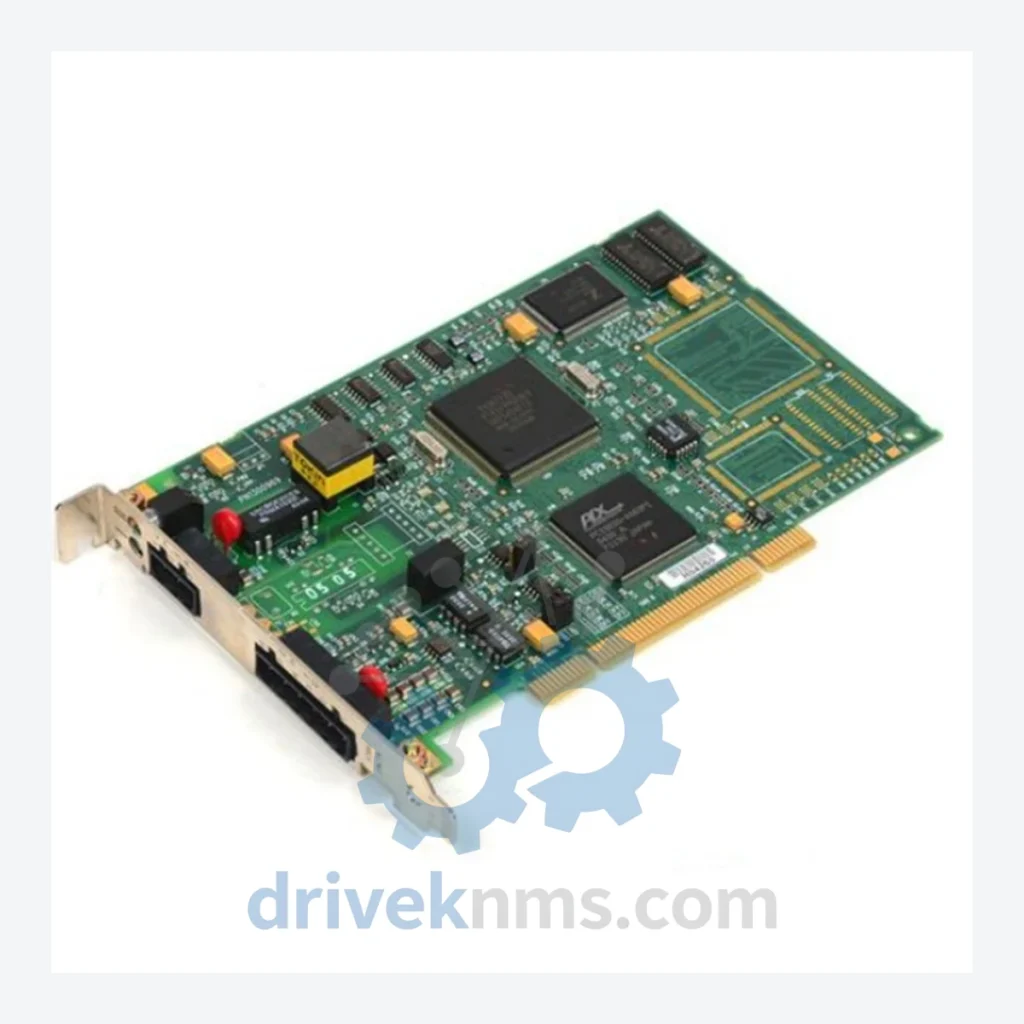
Product Overview
Commercial availability is handled through direct RFQ, model verification and export-oriented follow-up rather than public cart checkout.
Datasheet Preview
Use attached product manuals when available. If the manual is not public yet, request the full file directly through RFQ.
Commercial Path
Product pages on DRIVEKNMS are designed to verify model, brand and series first, then move the buyer into one clean quotation path.
Technical Dossier
The Allen-Bradley 1784 Series comprises PC-based communication interface cards developed by Rockwell Automation to bridge host computers with industrial control networks — primarily Data Highway Plus (DH+), ControlNet, DeviceNet, and Remote I/O (RIO). These cards have been installed across heavy-process industries worldwide: petrochemical refineries, nuclear power auxiliary systems, automotive body shops, pulp and paper mills, and continuous casting lines in steel plants.
At peak deployment, the 1784 Series represented the standard method for SCADA workstations, HMI PCs, and programming terminals to communicate with PLC-5, SLC 500, and early ControlLogix systems. Tens of thousands of units remain embedded in production environments where the cost and risk of a full network migration far exceed the cost of maintaining existing infrastructure. For plant engineers managing these legacy architectures, the 1784 Series is not a relic — it is an active operational dependency.
The 1784 Series was introduced in the late 1980s alongside the expansion of Allen-Bradley's Data Highway Plus network. Early cards such as the 1784-KT and 1784-KTX used ISA bus interfaces, targeting DOS-based programming workstations running 6200 Series software. As PC architecture migrated to PCI bus in the mid-1990s, Rockwell released the 1784-PKTX and 1784-PCMK to address the new hardware standard while maintaining backward protocol compatibility with DH+ and RIO.
The introduction of ControlNet in the mid-1990s extended the series with cards such as the 1784-PCC and 1784-PCIC, enabling scheduled and unscheduled messaging over coaxial ControlNet infrastructure. DeviceNet support followed with the 1784-PCD. Throughout this evolution, Rockwell maintained a consistent driver model (RSLinx Classic) that allowed a single workstation to host multiple 1784 cards simultaneously, each serving a different network segment.
By the mid-2000s, Rockwell began transitioning customers toward Ethernet-based communication (1756-ENBT, 1756-EN2T) and software-only drivers (RSLinx with 1784-U2DHP USB adapter). The ISA-bus variants were formally discontinued first; PCI variants followed. As of current Rockwell product lifecycle documentation, the majority of 1784 Series hardware cards are classified as End of Life (EOL) or Discontinued, with no direct hardware replacement — only architectural migration paths that require significant engineering investment.
Data Highway Plus (DH+) & Remote I/O Interface Cards
ControlNet Interface Cards
DeviceNet Interface Cards
Universal / Multi-Network Cards
DriveKNMS maintains sourced inventory of 1784 Series cards — including the 1784-PKTX, 1784-PKTXD, 1784-PCMK, and 1784-PCC — acquired through controlled decommissioning of industrial sites and verified refurbishment channels. Each unit is assessed for hardware revision level and firmware version prior to dispatch, as RSLinx Classic driver compatibility is revision-dependent. For plants that need to replace a failed card without altering their communication architecture, a verified same-revision spare is the only operationally safe option.
1784 Series cards present specific failure modes that require targeted inspection:
Continue The Model Path
Move from this exact model into the matching system hub, brand archive, model-family archive or lifecycle sourcing route before sending a final RFQ list.
Related Paths
Allen-Bradley 1756-OB16E is listed for ControlLogix RFQ review. Confirm quantity, condition and destination before quotation.
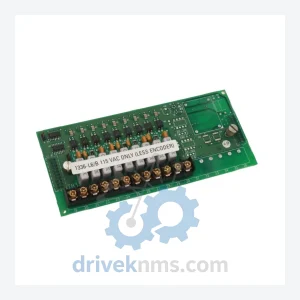
Allen-Bradley 1336-L6/B is listed for Controller Cards RFQ review. Confirm quantity, condition and destination before quotation.
Allen-Bradley 1786-BNC is listed for Controller Cards RFQ review. Confirm quantity, condition and destination before quotation.