
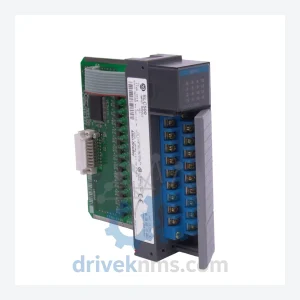
Allen-Bradley 1746-ITV16 DC Input Module – Obsolete SLC 500 Spare Part
Allen-Bradley 1746-ITV16 is listed for SLC 500 RFQ review. Confirm quantity, condition and destination before quotation.
RFQ-ready industrial model
Model: 1788-EN2FFR
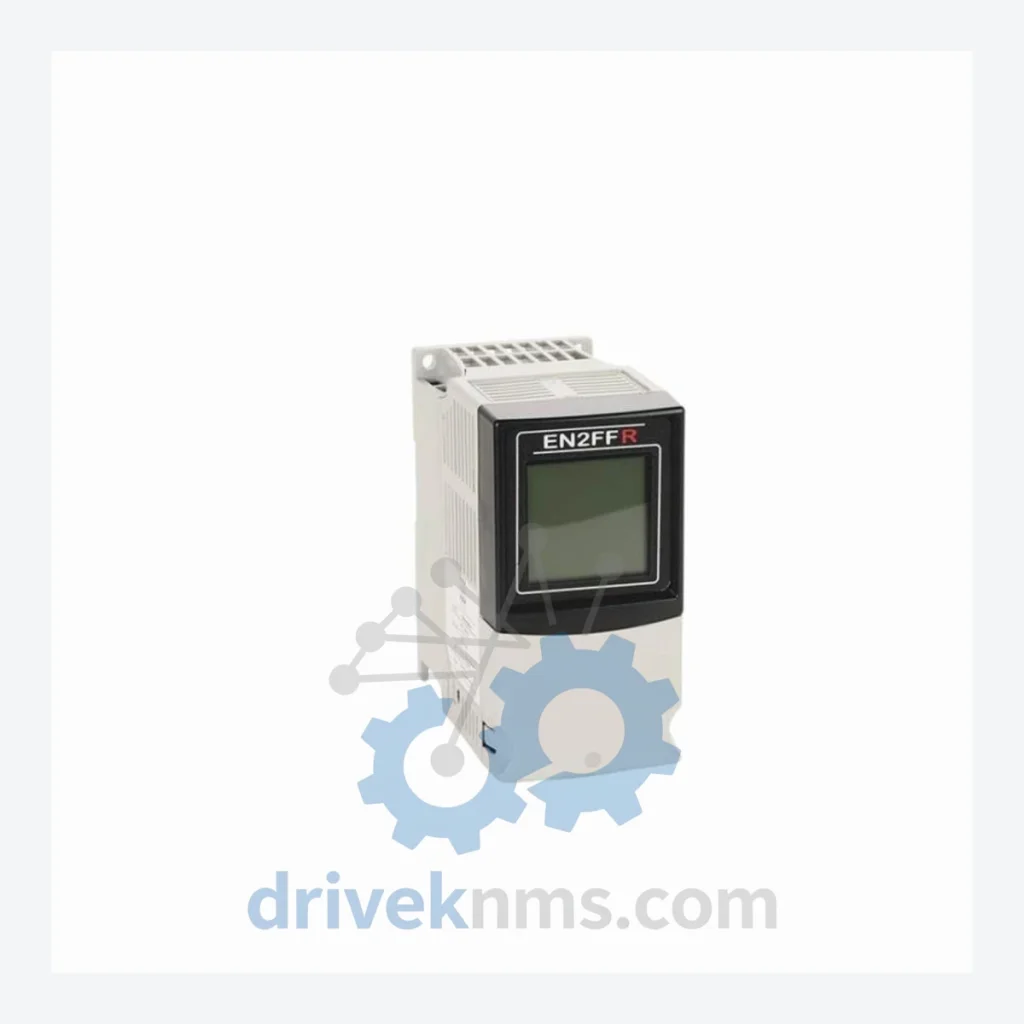
Product Overview
Commercial availability is handled through direct RFQ, model verification and export-oriented follow-up rather than public cart checkout.
Datasheet Preview
Use attached product manuals when available. If the manual is not public yet, request the full file directly through RFQ.
Commercial Path
Product pages on DRIVEKNMS are designed to verify model, brand and series first, then move the buyer into one clean quotation path.
Technical Dossier
The Allen-Bradley 1788 series comprises DeviceNet linking devices and communication interface modules engineered for integration between EtherNet/IP networks and DeviceNet field device networks. These modules occupy a critical position in process automation infrastructure across global heavy industries — including petrochemical refineries, nuclear power generation facilities, offshore oil platforms, and large-scale chemical processing plants — where DeviceNet remains the dominant field-level network protocol for sensor and actuator communication.
Installed base for the 1788 series spans hundreds of thousands of nodes worldwide. In facilities where DeviceNet was specified as the standard field bus during the 1990s and 2000s capital build-out cycles, the 1788 linking device is a non-replaceable architectural component. Replacement of the entire field network is cost-prohibitive; therefore, maintaining a reliable supply of 1788 series spare parts is a long-term operational requirement for plant maintenance teams.
The 1788 series was introduced by Rockwell Automation / Allen-Bradley as a bridging solution to connect DeviceNet (IEC 62026-3) field networks to higher-level control and information networks. The architectural evolution of the series reflects the broader transition in industrial networking from proprietary backplane buses to open Ethernet-based protocols.
Early Generation (1788-DNBO / 1788-CN2DN): Initial linking devices focused on ControlNet-to-DeviceNet bridging, enabling DeviceNet field devices to be managed from ControlNet-based PLC backplanes such as the ControlLogix platform. These modules used the UCMM (Unconnected Message Manager) protocol for configuration and explicit messaging.
Mid Generation (EtherNet/IP Integration): As EtherNet/IP became the dominant upper-layer protocol in Rockwell architectures, the 1788 series expanded to include EtherNet/IP-to-DeviceNet linking devices. The 1788-EN2FFR represents this generation — providing a dual-port EtherNet/IP interface with Device Level Ring (DLR) topology support, enabling ring-based network redundancy without additional hardware.
Compatibility Considerations: 1788 linking devices are compatible with RSNetWorx for DeviceNet (configuration software) and integrate with Studio 5000 Logix Designer via Add-On Profiles (AOPs). Firmware compatibility must be verified against the ControlLogix or CompactLogix controller firmware revision in use. Modules running firmware prior to v3.x may not support DLR topology or advanced diagnostic features available in later revisions.
Lifecycle Status: The 1788 series is in the mature/end-of-life phase. Rockwell Automation has issued Product Discontinuation Notices (PDNs) for several 1788 catalog numbers. For facilities still operating DeviceNet infrastructure, long-term maintenance support — including refurbished, tested, and surplus new-in-box units — is the primary procurement strategy.
EtherNet/IP to DeviceNet Linking Devices:
ControlNet to DeviceNet Linking Devices:
DeviceNet Scanner / Adapter Modules:
Serial / DH+ to DeviceNet Linking Devices:
Power Supply & Ancillary Modules:
DriveKNMS supports installed-base sourcing for this series through RFQ review, including model matching, condition checks and documentation requirements before quotation.
The 1788 series presents specific quality control challenges due to the complexity of its dual-network bridging architecture. DriveKNMS applies the following test protocols to all 1788 units processed through our facility:
Continue The Model Path
Move from this exact model into the matching system hub, brand archive, model-family archive or lifecycle sourcing route before sending a final RFQ list.
Related Paths
Allen-Bradley 1746-ITV16 is listed for SLC 500 RFQ review. Confirm quantity, condition and destination before quotation.
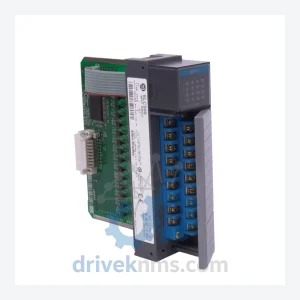
Allen-Bradley 1746-IO12 is listed for SLC 500 RFQ review. Confirm quantity, condition and destination before quotation.
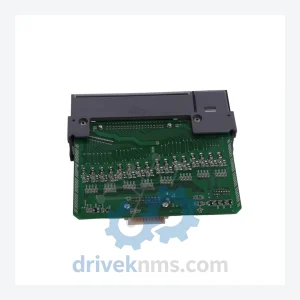
Allen-Bradley 1746-OV32 is listed for SLC 500 RFQ review. Confirm quantity, condition and destination before quotation.