
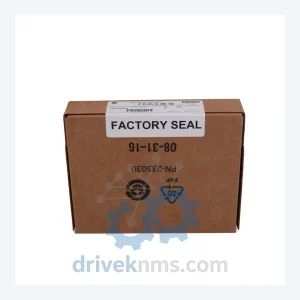
Allen-Bradley 1756-OB16E Digital Output Module – ControlLogix 16-Point Spare Part
Allen-Bradley 1756-OB16E is listed for ControlLogix RFQ review. Confirm quantity, condition and destination before quotation.
RFQ-ready industrial model
Model: 1797-BIC
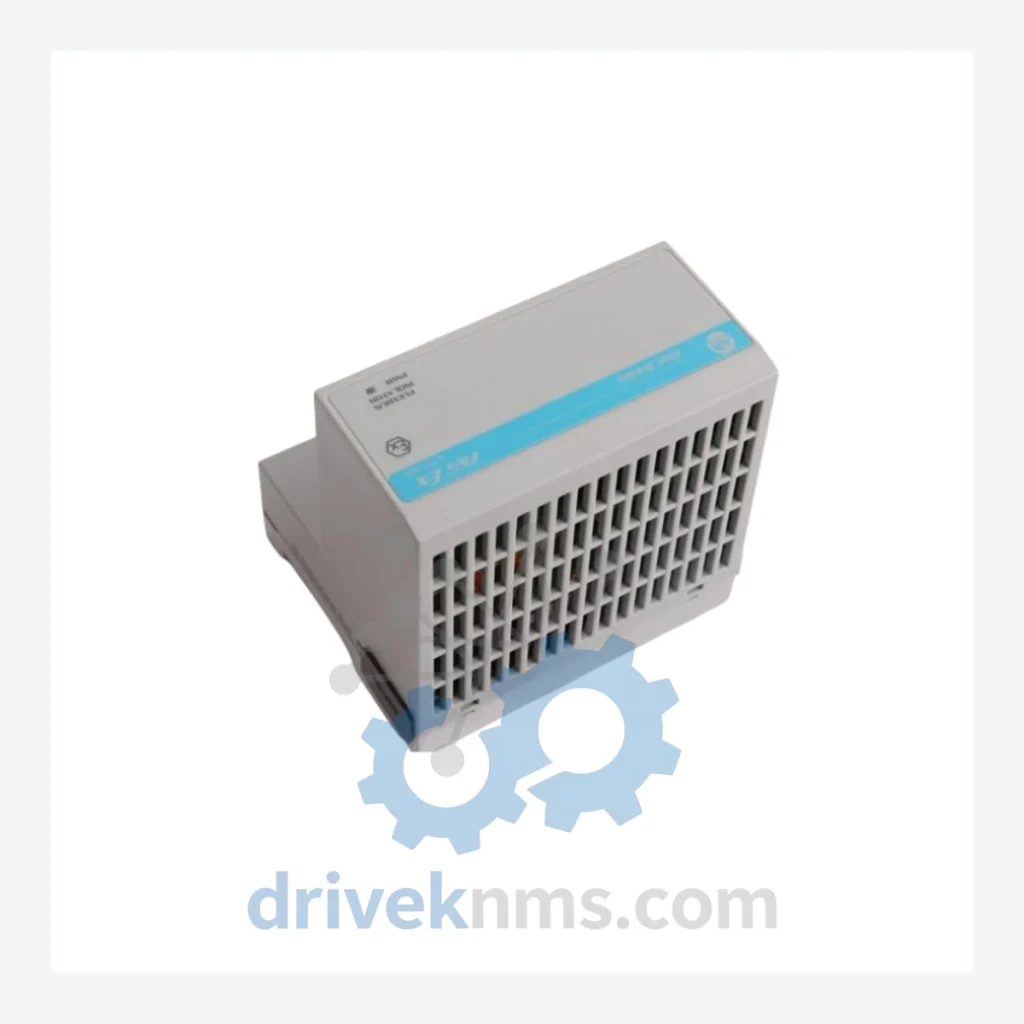
Product Overview
Commercial availability is handled through direct RFQ, model verification and export-oriented follow-up rather than public cart checkout.
Datasheet Preview
Use attached product manuals when available. If the manual is not public yet, request the full file directly through RFQ.
Commercial Path
Product pages on DRIVEKNMS are designed to verify model, brand and series first, then move the buyer into one clean quotation path.
Technical Dossier
DriveKNMS maintains sourced inventory of the 1797-BIC for industrial facilities that cannot afford to discover this part is unavailable at the moment of failure.
RFQ support for obsolete parts: Send the model number, required quantity and destination so DriveKNMS can confirm sourcing options before quotation.
| Attribute | Detail |
|---|---|
| Manufacturer | Allen-Bradley (Rockwell Automation) |
| Part Number | 1797-BIC |
| Product Series | FLEX I/O |
| Function | Bus Isolator / Coupler Module |
| Compatible Backplanes | 1797-series FLEX I/O terminal bases |
| Compatible Controllers | ControlLogix, SLC 500, PLC-5 (via adapter) |
| Country of Origin | United States |
| Discontinuation Status | Discontinued – no longer manufactured by Rockwell Automation |
| Replacement Availability | No direct OEM replacement; legacy spare sourcing required |
Note: Electrical parameters not listed here are not independently verified. DriveKNMS does not publish unconfirmed specifications. Contact us for datasheet support.
The 1797-BIC serves a specific structural role in FLEX I/O installations: it electrically isolates segments of the I/O bus, protecting adjacent modules from fault propagation and allowing independent power domains within a single rack. In systems where this isolation architecture was designed in from the start — common in food and beverage, water treatment, and discrete manufacturing facilities built in the late 1990s and 2000s — there is no drop-in modern substitute that preserves the existing wiring and backplane layout.
Facilities facing this situation have three options: source a verified spare 1797-BIC, undertake a full I/O migration project, or accept the risk of running without a replacement unit on hand. The first option costs a fraction of the second. The third is not a strategy — it is deferred liability.
For plant managers and maintenance engineers responsible for assets with 10–20 years of remaining productive life, the calculus is straightforward. A single sourced spare, properly stored, can extend the operational window of an entire I/O segment by 5 to 10 years. That is not a theoretical claim — it is the documented experience of facilities that have maintained legacy Rockwell I/O infrastructure through disciplined spare parts management rather than forced capital expenditure cycles.
The practical approach: identify every 1797-BIC node in your facility, assess the criticality of each segment, and hold a minimum of one verified spare per critical segment. For high-availability lines, two spares per segment is the defensible standard.
Sourcing discontinued industrial components carries inherent risk. DriveKNMS applies a five-step inspection protocol to every 1797-BIC unit before it is offered for sale:
Q: How are RFQ terms confirmed?
A: Quantity, required condition, documentation needs, destination and sourcing route are confirmed during RFQ review before quotation.
Q: How is condition confirmed before quotation?
A: Available condition, photos, test records and documentation are checked according to the requested model and sourcing channel before a formal RFQ response.
Q: Can you support multi-unit or repeat RFQ requests?
A: Yes. Send the model list, target quantity and destination so DRIVEKNMS can review sourcing options and quote the requirement as a project RFQ.
Can you source other 1797-series components?
Yes. DriveKNMS specializes in legacy Rockwell Automation FLEX I/O components across the 1797 product family. Contact us with your full bill of materials for a consolidated sourcing assessment.
Continue The Model Path
Move from this exact model into the matching system hub, brand archive, model-family archive or lifecycle sourcing route before sending a final RFQ list.
Related Paths
Allen-Bradley 1756-OB16E is listed for ControlLogix RFQ review. Confirm quantity, condition and destination before quotation.
Allen-Bradley 1336-L6/B is listed for Controller Cards RFQ review. Confirm quantity, condition and destination before quotation.
Allen-Bradley 1786-BNC is listed for Controller Cards RFQ review. Confirm quantity, condition and destination before quotation.