
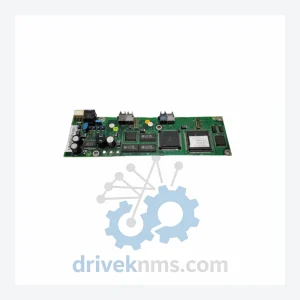
ABB NAMC-11C
ABB NAMC-11C is listed for Controller Cards RFQ review. Confirm quantity, condition and destination before quotation.
RFQ-ready industrial model
Model: 6637827G1
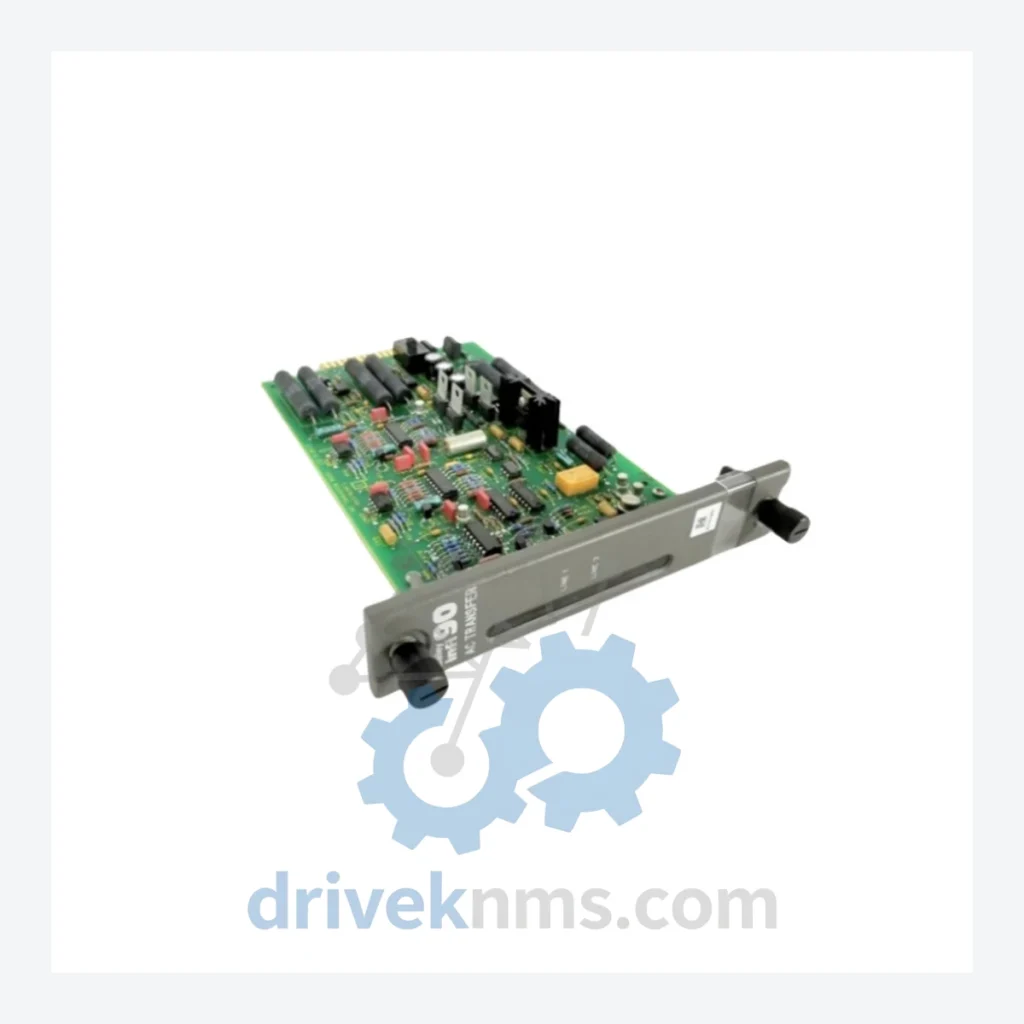
Product Overview
Commercial availability is handled through direct RFQ, model verification and export-oriented follow-up rather than public cart checkout.
Datasheet Preview
Use attached product manuals when available. If the manual is not public yet, request the full file directly through RFQ.
Commercial Path
Product pages on DRIVEKNMS are designed to verify model, brand and series first, then move the buyer into one clean quotation path.
Technical Dossier
The ABB Advant MOD 300 (also referenced under the Advant OCS and Master Piece 200/200 AP platform) is a distributed control system architecture deployed extensively across global heavy process industries including petrochemical refineries, nuclear power generation facilities, pulp and paper mills, and offshore oil and gas platforms. First introduced in the mid-1980s and continuously evolved through the 1990s, the MOD 300 platform established a dominant installed base across North America, Europe, and Asia-Pacific. Its modular backplane architecture, deterministic scan cycle, and redundancy options made it the reference standard for continuous process control in high-criticality environments. As of 2026, the MOD 300 series is in its end-of-life and obsolescence phase; however, the installed base remains substantial, and lifecycle extension support remains a primary procurement requirement for plant operators committed to long-term asset utilization without full DCS migration.
The MOD 300 architecture originated from ABB's acquisition and integration of the Combustion Engineering (CE) NETWORK 90 platform in the late 1980s. The initial hardware generation used proprietary backplane buses with parallel I/O addressing. By the early 1990s, ABB introduced the Advant OCS (Open Control System) branding, integrating the MOD 300 hardware with the MasterBus 300 communication protocol and the Advant Fieldbus 100 (AF 100) for field device connectivity. The second-generation hardware introduced enhanced CPU modules with expanded memory maps and faster scan rates. The third generation, aligned with the Advant Controller 450 (AC 450) platform, introduced redundant controller configurations and Ethernet-based supervisory connectivity. Compatibility between generations is constrained by backplane slot addressing and firmware revision levels; cross-generation substitution requires engineering validation. The MOD 300 platform was formally succeeded by the ABB System 800xA architecture, but direct migration paths require hardware gateway modules and software re-engineering, making in-kind spare part sourcing the preferred operational strategy for sites not yet committed to full migration.
The following SKUs represent verified, commonly sourced components within the ABB Advant MOD 300 / Advant OCS ecosystem. Each entry reflects the module's primary functional classification.
Controllers & Processors
Analog Input / Output Modules
Digital Input / Output Modules
Communication & Network Modules
Power Supply Modules
MOD 300 modules present specific test challenges due to their proprietary backplane bus protocol and firmware-dependent initialization sequences. DriveKNMS applies a structured test protocol for all MOD 300 inventory: each module undergoes visual inspection for capacitor condition, connector pin integrity, and PCB corrosion assessment. Functional testing is performed using dedicated MOD 300 chassis test rigs that replicate live backplane communication, verifying module enumeration, data transfer handshake, and I/O channel response. Communication modules are tested for MasterBus 300 frame transmission and error rate. Power supply modules are load-tested at rated current with output ripple measurement. All units are assigned a test status record prior to shipment.
Continue The Model Path
Move from this exact model into the matching system hub, brand archive, model-family archive or lifecycle sourcing route before sending a final RFQ list.
Related Paths
ABB NAMC-11C is listed for Controller Cards RFQ review. Confirm quantity, condition and destination before quotation.
ABB LZ02 is listed for H&B Contronic LZ Series RFQ review. Confirm quantity, condition and destination before quotation.
ABB LL02 is listed for Controller Cards RFQ review. Confirm quantity, condition and destination before quotation.