
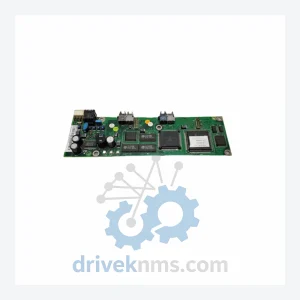
ABB NAMC-11C
ABB NAMC-11C is listed for Controller Cards RFQ review. Confirm quantity, condition and destination before quotation.
RFQ-ready industrial model
Model: ACU-01B3HNA024871-001 1C0480 3HS0864-01 3HS1170-01
Product Overview
Commercial availability is handled through direct RFQ, model verification and export-oriented follow-up rather than public cart checkout.
Datasheet Preview
Use attached product manuals when available. If the manual is not public yet, request the full file directly through RFQ.
Commercial Path
Product pages on DRIVEKNMS are designed to verify model, brand and series first, then move the buyer into one clean quotation path.
Technical Dossier
Note: Electrical and rotational parameters are not published here to prevent misapplication. Contact us for full datasheet verification prior to ordering.
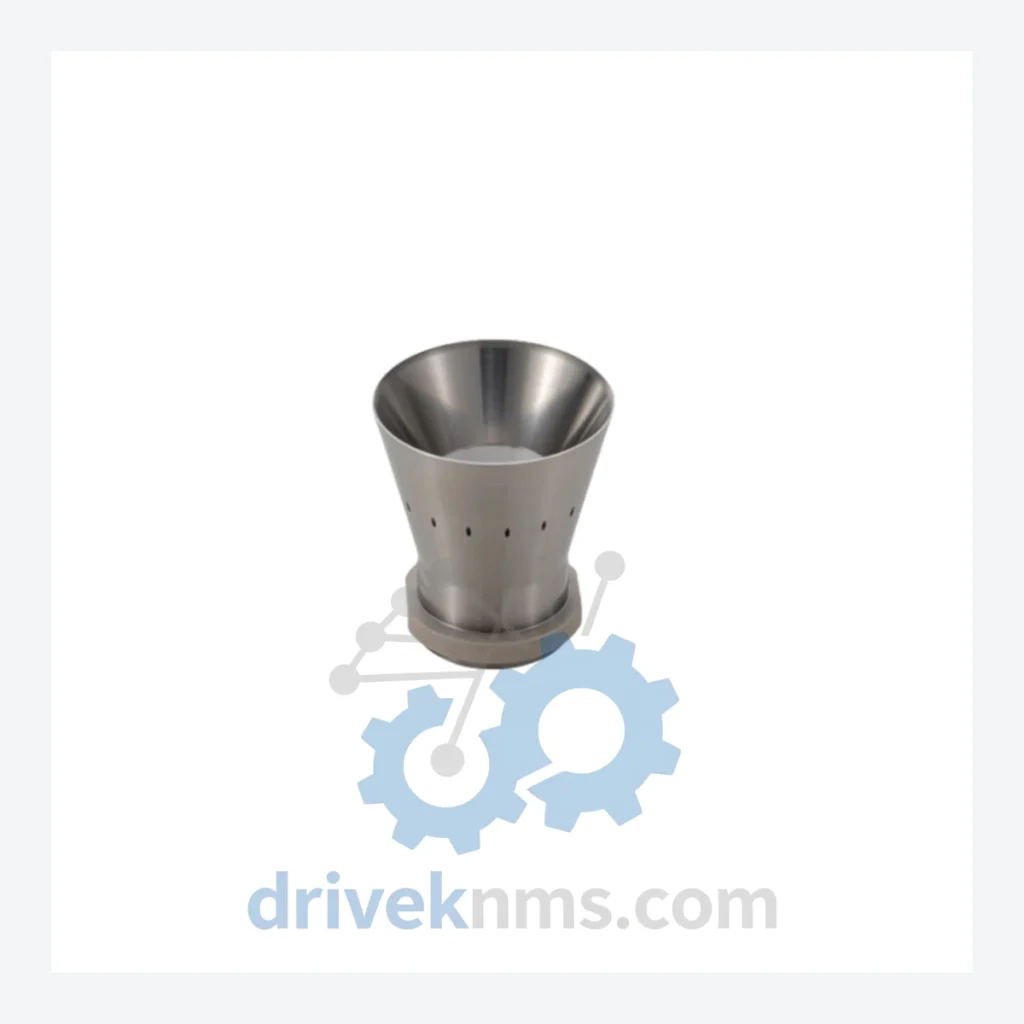
The Bell Cup is the highest-wear component in the rotary atomizer. It is the element that spins at high RPM in direct contact with the paint stream and the electrostatic field. Wear, imbalance, or contamination in this component directly degrades transfer efficiency, finish quality, and first-pass yield. When it fails, the robot is down. When the OEM no longer supplies it, the plant faces a binary choice: find a verified spare or commit to a capital project.
DriveKNMS exists to provide the third option: a verified, inspected OEM spare that restores the system to specification without triggering a capital replacement cycle. For plant managers operating under asset-life-extension mandates, this is not a workaround — it is a documented maintenance strategy.
For factory management teams facing pressure to retire aging paint systems, the following approach has been used successfully to defer capital expenditure while maintaining production quality standards:
4. Document the maintenance record. A well-documented service history for an aging asset strengthens the internal business case for continued operation and provides the data needed to defend the asset-life-extension decision to finance and operations leadership.
Every ABB ACU-01B3HNA024871-001 Bell Cup Assembly dispatched by DriveKNMS passes a structured 5-step inspection protocol before it leaves our facility. This process was developed specifically for obsolete rotating components where OEM quality assurance is no longer available.
Step 1 – Visual and dimensional inspection. The bell cup profile, edge geometry, and surface finish are checked against reference specifications. Any unit showing erosion, pitting, or out-of-round condition is rejected.
Step 2 – Balance verification. Rotary atomizer bell cups are precision-balanced components. Imbalance at operating RPM causes vibration, bearing wear, and finish defects. Each unit is checked for balance condition prior to release.
Step 3 – Electrolytic capacitor and coating integrity check. For units that have been in storage, the internal surfaces and any associated sealing elements are inspected for degradation consistent with long-term storage conditions.
Step 4 – Pin and thread inspection. All mechanical interfaces — mounting threads, drive pins, and seating surfaces — are inspected for corrosion, galling, or dimensional deviation that would prevent correct installation.
Step 5 – Documentation and traceability. Each unit is assigned an inspection record. Where original OEM packaging is present, it is preserved. Lot and date codes are recorded where visible.
Units that do not pass all five steps are not offered for sale.
Q: How is condition confirmed before quotation?
A: Available condition, photos, test records and documentation are checked according to the requested model and sourcing channel before a formal RFQ response.
Q: How do I confirm the unit is new or properly refurbished?
A: We will provide the inspection record for your specific unit upon request before or after purchase. Where original OEM packaging is available, it will be included. We do not mix condition grades within a single order without explicit disclosure.
Q: How are RFQ terms confirmed?
A: Quantity, required condition, documentation needs, destination and sourcing route are confirmed during RFQ review before quotation.
Continue The Model Path
Move from this exact model into the matching system hub, brand archive, model-family archive or lifecycle sourcing route before sending a final RFQ list.
Related Paths
ABB NAMC-11C is listed for Controller Cards RFQ review. Confirm quantity, condition and destination before quotation.
ABB LL02 is listed for Controller Cards RFQ review. Confirm quantity, condition and destination before quotation.
ABB LZ02 is listed for H&B Contronic LZ Series RFQ review. Confirm quantity, condition and destination before quotation.