
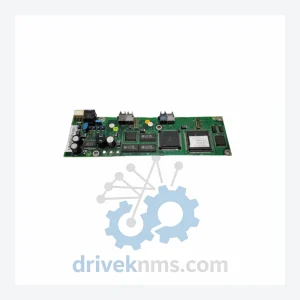
ABB NAMC-11C
ABB NAMC-11C is listed for Controller Cards RFQ review. Confirm quantity, condition and destination before quotation.
RFQ-ready industrial model
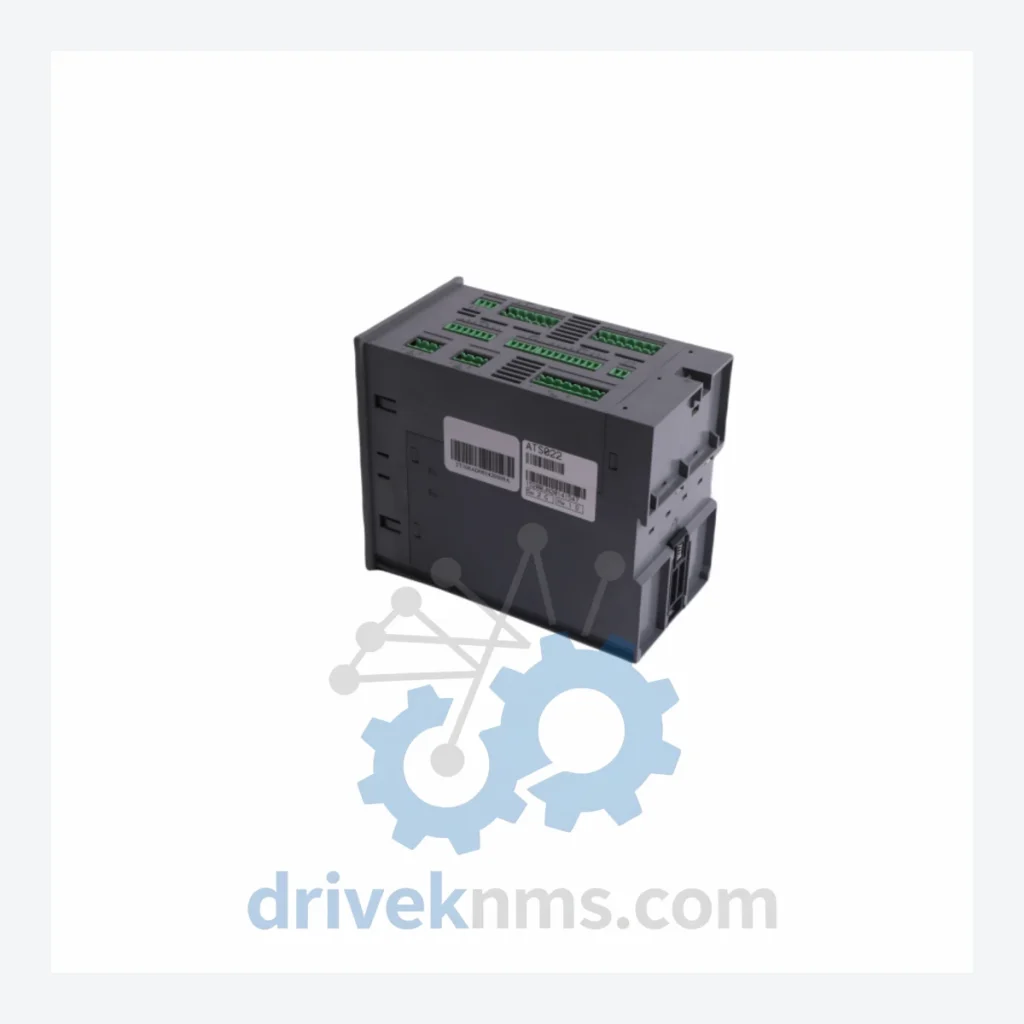
Model: ATS022
Product Overview
Commercial availability is handled through direct RFQ, model verification and export-oriented follow-up rather than public cart checkout.
Datasheet Preview
Use attached product manuals when available. If the manual is not public yet, request the full file directly through RFQ.
Commercial Path
Product pages on DRIVEKNMS are designed to verify model, brand and series first, then move the buyer into one clean quotation path.
Technical Dossier
The ABB ATS022 series is a line of compact automatic transfer switches (ATS) designed for low-voltage power distribution systems in critical industrial and commercial infrastructure. Deployed extensively in chemical processing plants, oil refineries, data centers, water treatment facilities, and hospital power systems, the ATS022 range provides automatic source changeover between normal and standby power supplies — a function that is non-negotiable in facilities where power continuity directly affects process safety and operational continuity.
Within the global heavy industry installed base, ABB ATS022 units are found in single-phase and three-phase configurations rated from 16A to 3200A, covering the full spectrum from auxiliary panel feeders to main incomer transfer duties. Their integration with ABB's SACE Emax and Tmax circuit breaker families makes them a standard specification item in ABB-centric switchgear assemblies across Europe, the Middle East, and Asia-Pacific.
The ATS022 series was introduced as part of ABB's rationalization of its low-voltage transfer switch portfolio, consolidating earlier electromechanical changeover relay designs into a unified microprocessor-controlled platform. Early-generation ATS units in the ABB catalog relied on discrete relay logic with limited programmability; the ATS022 introduced an integrated control board with configurable timing parameters (transfer delay, retransfer delay, engine start delay) accessible via front-panel DIP switches or, in later firmware revisions, via a serial communication interface.
Architecturally, the ATS022 operates on a break-before-make principle, ensuring that the load is fully disconnected from the primary source before connection to the standby source — a critical requirement in generator-backed systems to prevent back-feeding. The control module monitors source voltage and frequency on both Line 1 and Line 2, with independently adjustable under-voltage and over-voltage thresholds.
Compatibility considerations are significant for maintenance engineers: early ATS022 units used a proprietary 9-pin control connector for external signaling; later revisions standardized on a 12-pin terminal block. Replacement control boards must be matched to the mechanical generation of the base unit. Additionally, firmware versions prior to V2.x do not support the RS-485 Modbus RTU communication option available on current production units.
As the ATS022 series has entered the mature/end-of-life phase for several sub-variants, long-term maintenance support — including spare control boards, contactor assemblies, and complete unit replacements — is a primary procurement requirement for facilities with 10–20 year asset lifecycles.
The following SKUs represent the core ATS022 product range, organized by current rating and phase configuration. All models listed are genuine ABB catalog references.
ATS022-016S1: 16A single-phase ATS, 230V AC, 2-pole, DIN rail mount, manual/auto mode
ATS022-025S1: 25A single-phase ATS, 230V AC, 2-pole, surface mount enclosure option
ATS022-040S1: 40A single-phase ATS, 230V AC, 2-pole, configurable transfer delay 0–60s
ATS022-063S1: 63A single-phase ATS, 230V AC, 2-pole, integrated generator start output
ATS022-016T3: 16A three-phase ATS, 400V AC, 4-pole, neutral switching, DIN rail
ATS022-025T3: 25A three-phase ATS, 400V AC, 4-pole, LED source status indication
ATS022-040T3: 40A three-phase ATS, 400V AC, 4-pole, adjustable under-voltage threshold
ATS022-063T3: 63A three-phase ATS, 400V AC, 4-pole, RS-485 Modbus RTU option
ATS022-100T3: 100A three-phase ATS, 400V AC, 4-pole, motorized contactor assembly
ATS022-125T3: 125A three-phase ATS, 400V AC, 4-pole, panel-mount flush bezel
ATS022-160T3: 160A three-phase ATS, 400V AC, 4-pole, dual-source voltage monitoring
ATS022-200T3: 200A three-phase ATS, 400V AC, 4-pole, extended temperature range -25°C to +70°C
ATS022-250T3: 250A three-phase ATS, 400V AC, 4-pole, IP54 enclosure variant available
ATS022-315T3: 315A three-phase ATS, 400V AC, 4-pole, compatible with Tmax T5 breaker frame
ATS022-400T3: 400A three-phase ATS, 400V AC, 4-pole, compatible with Tmax T6 breaker frame
ATS022-630T3: 630A three-phase ATS, 400V AC, 4-pole, compatible with Emax E1 breaker frame
ATS022-CB-CTRL: Replacement control board assembly for ATS022 series, firmware V2.x and above
ATS022-RS485-MOD: RS-485 Modbus RTU communication add-on module for compatible ATS022 units
ATS022 units processed by DriveKNMS undergo a structured verification protocol specific to motorized transfer switch assemblies:
Contactor Mechanical Inspection: Contact wear measurement on both Line 1 and Line 2 contactor assemblies; replacement threshold applied per ABB service manual specifications.
Control Board Functional Test: Voltage monitoring thresholds verified across the full adjustment range; generator start output relay tested under resistive load; transfer and retransfer timing sequences validated against configured DIP switch settings.
Source Simulation Test: Both Line 1 failure (under-voltage, over-voltage, frequency deviation) and Line 2 failure scenarios are simulated to confirm correct automatic changeover sequencing and alarm output behavior.
Communication Interface Verification: On units equipped with RS-485 Modbus RTU option, register map read/write operations are confirmed using a Modbus master simulator.
Insulation Resistance Test: 1000V DC Megger test applied across all pole pairs and between poles and earth, with results logged per unit serial number.
Final Functional Run: Minimum 30-minute operational cycle under simulated load conditions prior to packaging and dispatch.
Continue The Model Path
Move from this exact model into the matching system hub, brand archive, model-family archive or lifecycle sourcing route before sending a final RFQ list.
Related Paths
ABB NAMC-11C is listed for Controller Cards RFQ review. Confirm quantity, condition and destination before quotation.
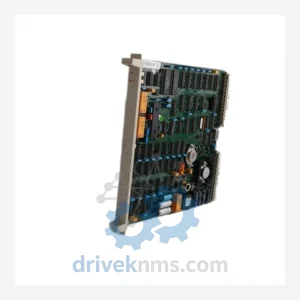
ABB LL02 is listed for Controller Cards RFQ review. Confirm quantity, condition and destination before quotation.
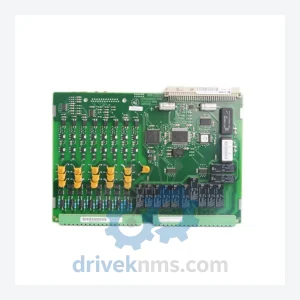
ABB LZ02 is listed for H&B Contronic LZ Series RFQ review. Confirm quantity, condition and destination before quotation.