
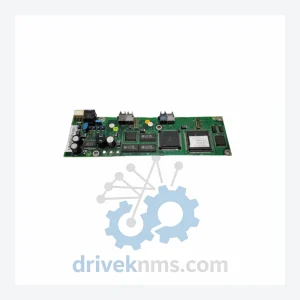
ABB NAMC-11C
ABB NAMC-11C is listed for Controller Cards RFQ review. Confirm quantity, condition and destination before quotation.
RFQ-ready industrial model
Model: IRB1600 3HAC021455-001 IRB2600 3HAC030006-001 3HAC030162-001 DSQC400
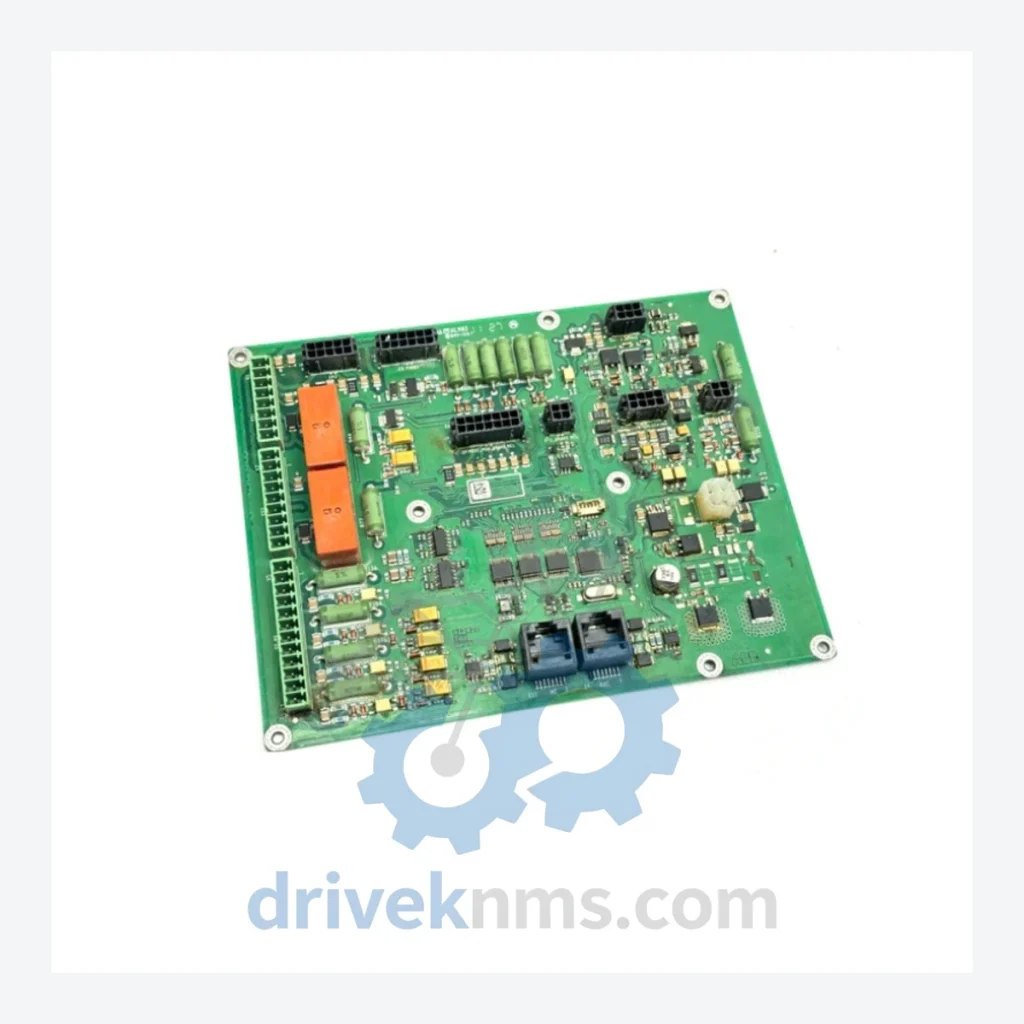
Product Overview
Commercial availability is handled through direct RFQ, model verification and export-oriented follow-up rather than public cart checkout.
Datasheet Preview
Use attached product manuals when available. If the manual is not public yet, request the full file directly through RFQ.
Commercial Path
Product pages on DRIVEKNMS are designed to verify model, brand and series first, then move the buyer into one clean quotation path.
Technical Dossier
DriveKNMS reviews sourcing options for this model during RFQ handling before quotation.
RFQ support for obsolete parts: Send the model number, required quantity and destination so DriveKNMS can confirm sourcing options before quotation.
Note: Electrical parameters not independently verified by DriveKNMS. All specifications are based on published ABB documentation. Do not install without cross-referencing your system's original engineering drawings.
The ABB IRC5 controller platform, paired with IRB1600 and IRB2600 robot arms, represents one of the most widely deployed industrial robot families of the 2000s and early 2010s. Thousands of these cells remain in active production across automotive body shops, metal fabrication plants, and electronics assembly lines worldwide.
The DSQC400 is the digital I/O board that sits at the nerve center of the IRC5 cabinet. It manages the handshake between the robot controller and external field devices — safety gates, conveyor signals, end-of-arm tooling, and PLC interlocks. Without a functioning DSQC400, the robot cannot receive or transmit I/O signals. The cell stops. The line stops.
Migrating away from an IRC5-based cell is not a weekend project. It involves new robot procurement, controller commissioning, RAPID program rewriting, safety validation, and production re-qualification — a process that routinely takes 6 to 18 months and costs far more than the capital expenditure on the robot itself. For a plant running 10 to 30 such cells, the exposure is substantial.
Sourcing a replacement DSQC400 is the only strategy that preserves the existing asset, maintains the validated production process, and avoids the engineering disruption of a platform migration. A single spare board, properly stored, can extend the productive life of an IRB1600 or IRB2600 cell by 5 to 10 years — at a fraction of the cost of any alternative.
The pressure to retire aging robot cells rarely comes from the robots themselves. It comes from the inability to source replacement control electronics. The following approach has been used by maintenance teams across Asia, Europe, and North America to defer costly system replacements without compromising production reliability:
1. Identify your single points of failure. For IRC5-based cells, the DSQC400 is a known failure point due to age-related capacitor degradation and connector wear. Map every cell in your facility that relies on this board.
3. Implement a scheduled inspection cycle. Even functional DSQC400 boards benefit from periodic inspection — particularly electrolytic capacitor condition checks and connector cleaning. Catching degradation before failure converts an emergency into a planned maintenance event.
4. Document firmware versions. IRC5 systems are sensitive to firmware compatibility between the DSQC400 and the main computer board. Before installing any replacement, verify the firmware revision matches your existing system configuration. DriveKNMS can advise on known compatibility constraints.
Sourcing a discontinued circuit board from an unknown channel is a legitimate risk. A board that fails on installation — or worse, fails six months into service — creates a worse situation than the original fault. DriveKNMS applies a structured 5-step QA process to every DSQC400 unit before dispatch review:
Step 1 – Visual Inspection: Full board examination under magnification. Checks for physical damage, burnt components, cracked solder joints, and PCB delamination.
Step 2 – Electrolytic Capacitor Assessment: Age-related capacitor failure is the primary cause of DSQC400 field failures. Each unit is assessed for capacitor bulging, leakage, and ESR deviation. Units with suspect capacitors are either recapped or rejected.
Q: How are RFQ terms confirmed?
A: Quantity, required condition, documentation needs, destination and sourcing route are confirmed during RFQ review before quotation.
Step 4 – Connector and Pin Inspection: All edge connectors and pin headers are inspected for corrosion, bent pins, and contact oxidation. Affected contacts are cleaned or the unit is rejected.
Step 5 – Functional Bench Test (where applicable): Units are tested on compatible test equipment where inventory and tooling permit. Test results are documented and available on request.
Units that do not pass all five steps are not sold. There is no grading system here — only pass or reject.
Q: How is condition confirmed before quotation?
A: Available condition, photos, test records and documentation are checked according to the requested model and sourcing channel before a formal RFQ response.
Q: How do I know the unit is genuine ABB and not a counterfeit?
A: All units sourced by DriveKNMS are inspected for OEM markings, PCB layer construction, and component sourcing consistent with genuine ABB manufacturing. We do not handle third-party clones or unmarked boards. Provenance documentation is available for NOS units.
Q: Can you support multi-unit or repeat RFQ requests?
A: Yes. Send the model list, target quantity and destination so DRIVEKNMS can review sourcing options and quote the requirement as a project RFQ.
Q: Is installation support available?
A: DriveKNMS can provide installation guidance documentation and remote technical support for qualified maintenance personnel. On-site support is available through our partner network in select regions.
Continue The Model Path
Move from this exact model into the matching system hub, brand archive, model-family archive or lifecycle sourcing route before sending a final RFQ list.
Related Paths
ABB NAMC-11C is listed for Controller Cards RFQ review. Confirm quantity, condition and destination before quotation.
ABB LL02 is listed for Controller Cards RFQ review. Confirm quantity, condition and destination before quotation.
ABB LZ02 is listed for H&B Contronic LZ Series RFQ review. Confirm quantity, condition and destination before quotation.