
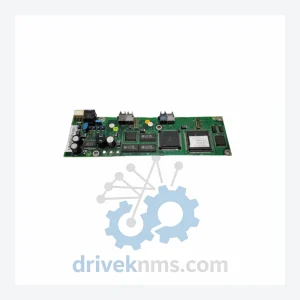
ABB NAMC-11C
ABB NAMC-11C is listed for Controller Cards RFQ review. Confirm quantity, condition and destination before quotation.
RFQ-ready industrial model
Model: IRB2600 /3HAC064583-002 IRB26003HAC064583-002 3HNA008685-001
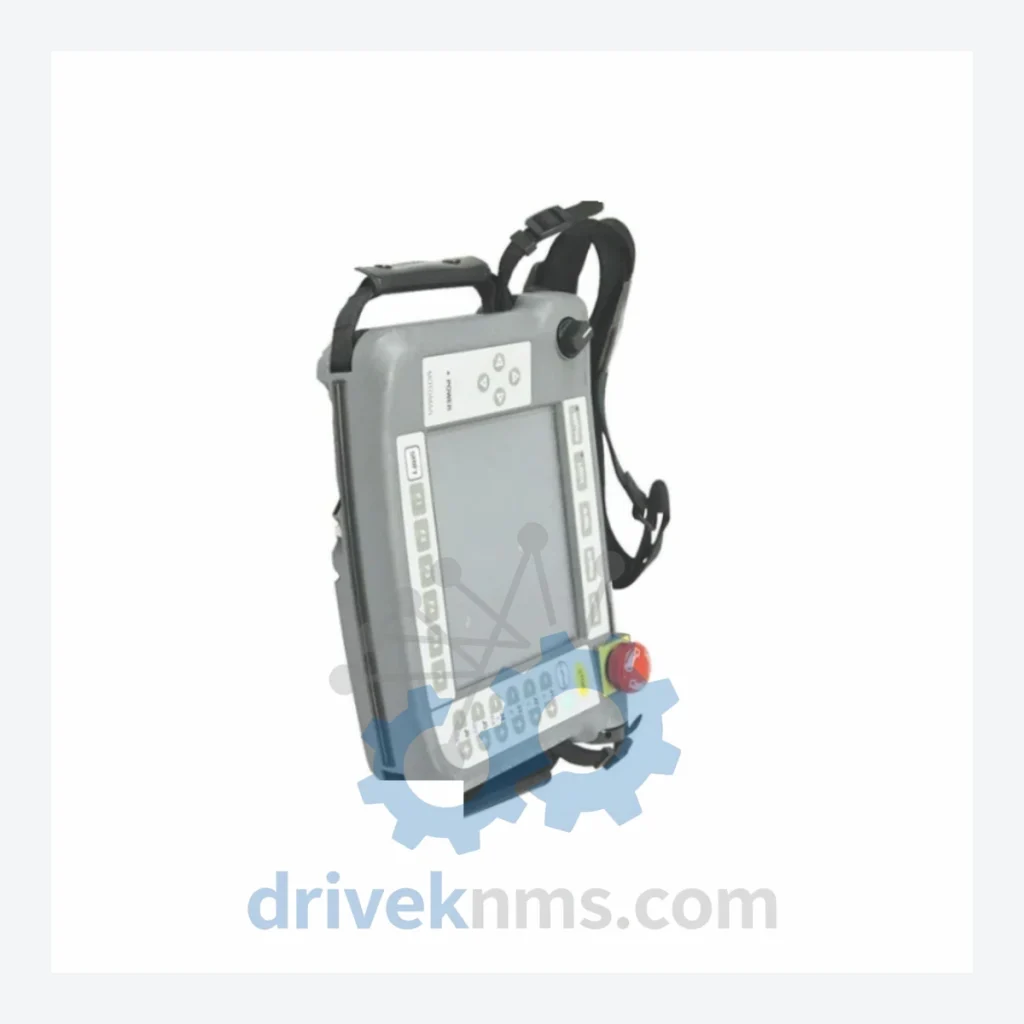
Product Overview
Commercial availability is handled through direct RFQ, model verification and export-oriented follow-up rather than public cart checkout.
Datasheet Preview
Use attached product manuals when available. If the manual is not public yet, request the full file directly through RFQ.
Commercial Path
Product pages on DRIVEKNMS are designed to verify model, brand and series first, then move the buyer into one clean quotation path.
Technical Dossier
The ABB IRB2600 is a 6-axis industrial robot platform engineered for medium-payload applications in the 12–20 kg range, with a reach envelope of 1.65 m to 1.85 m. Since its introduction, the IRB2600 has achieved widespread deployment across global heavy industry sectors including automotive body-in-white assembly, chemical plant material handling, refinery maintenance robotics, and nuclear facility remote operations. Its IRC5 controller architecture, combined with a modular teach pendant (FlexPendant) ecosystem, makes it one of the most maintainable robot platforms in the ABB portfolio. The IRB2600 family is installed in tens of thousands of cells worldwide, and demand for its spare parts — particularly control boards, teach pendant assemblies, and drive modules — remains high across the full product lifecycle.
The IRB2600 was launched as a successor to the IRB2400, inheriting the IRC5 single-cabinet controller platform introduced in 2004. The IRC5 architecture standardized the use of the DSQC (Drive System and Control) module family, enabling modular replacement of axis computers, I/O boards, drive units, and communication adapters without full controller replacement. Early IRB2600 units (pre-2012) used the DSQC639 main computer and DSQC643 drive units. From 2013 onward, ABB transitioned to the DSQC1000 compute platform, improving real-time Ethernet (EtherNet/IP, PROFINET) integration. The teach pendant line evolved from the original IRC5 FlexPendant (3HAC028357-001) through multiple hardware revisions, with the 3HAC064583-002 control board representing a later-generation replacement PCB for the FlexPendant assembly used on IRB2600 cells. The 3HNA008685-001 is the associated interface/control board variant used in specific regional and OEM configurations. Compatibility between hardware revisions requires RobotWare version alignment — cells running RobotWare 5.x require different firmware-matched boards than those on RobotWare 6.x or the current RobotWare 7.x stream.
The following SKUs represent verified components within the ABB IRB2600 / IRC5 ecosystem, classified by functional category:
Teach Pendant & Control Boards
Main Computer & Axis Computers
Drive Units
I/O Modules
Communication & Fieldbus Adapters
Power Supply
Several IRB2600-compatible modules — particularly those tied to the DSQC639 compute platform and RobotWare 5.x — have reached end-of-manufacture status with ABB. DriveKNMS maintains a dedicated inventory of tested surplus and refurbished units for these discontinued part numbers. For cells that cannot be migrated to newer RobotWare versions due to process lock-in or customer specification constraints, DriveKNMS provides lifecycle extension support including: verified-compatible replacement boards, firmware-matched spare units, and cross-reference mapping between superseded and current part numbers. Customers operating IRB2600 cells in long-cycle industries (nuclear, petrochemical, heavy forging) with 15–25 year maintenance horizons are the primary beneficiaries of this service. All obsolete units are sourced from decommissioned OEM lines or controlled surplus channels and are individually tested before dispatch.
Q: How is condition confirmed before quotation?
A: Available condition, photos, test records and documentation are checked according to the requested model and sourcing channel before a formal RFQ response.
Continue The Model Path
Move from this exact model into the matching system hub, brand archive, model-family archive or lifecycle sourcing route before sending a final RFQ list.
Related Paths
ABB NAMC-11C is listed for Controller Cards RFQ review. Confirm quantity, condition and destination before quotation.
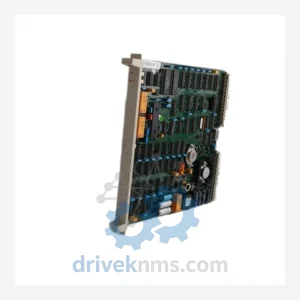
ABB LL02 is listed for Controller Cards RFQ review. Confirm quantity, condition and destination before quotation.
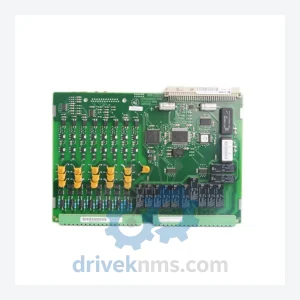
ABB LZ02 is listed for H&B Contronic LZ Series RFQ review. Confirm quantity, condition and destination before quotation.