
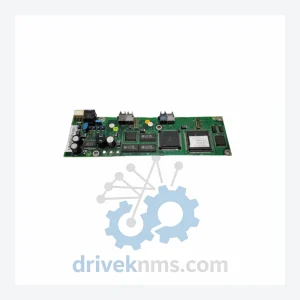
ABB NAMC-11C
ABB NAMC-11C is listed for Controller Cards RFQ review. Confirm quantity, condition and destination before quotation.
RFQ-ready industrial model
Model: IRB26003HAC047586-003 IRB26003HAC047586-002 3HAC047586-002
Product Overview
Commercial availability is handled through direct RFQ, model verification and export-oriented follow-up rather than public cart checkout.
Datasheet Preview
Use attached product manuals when available. If the manual is not public yet, request the full file directly through RFQ.
Commercial Path
Product pages on DRIVEKNMS are designed to verify model, brand and series first, then move the buyer into one clean quotation path.
Technical Dossier
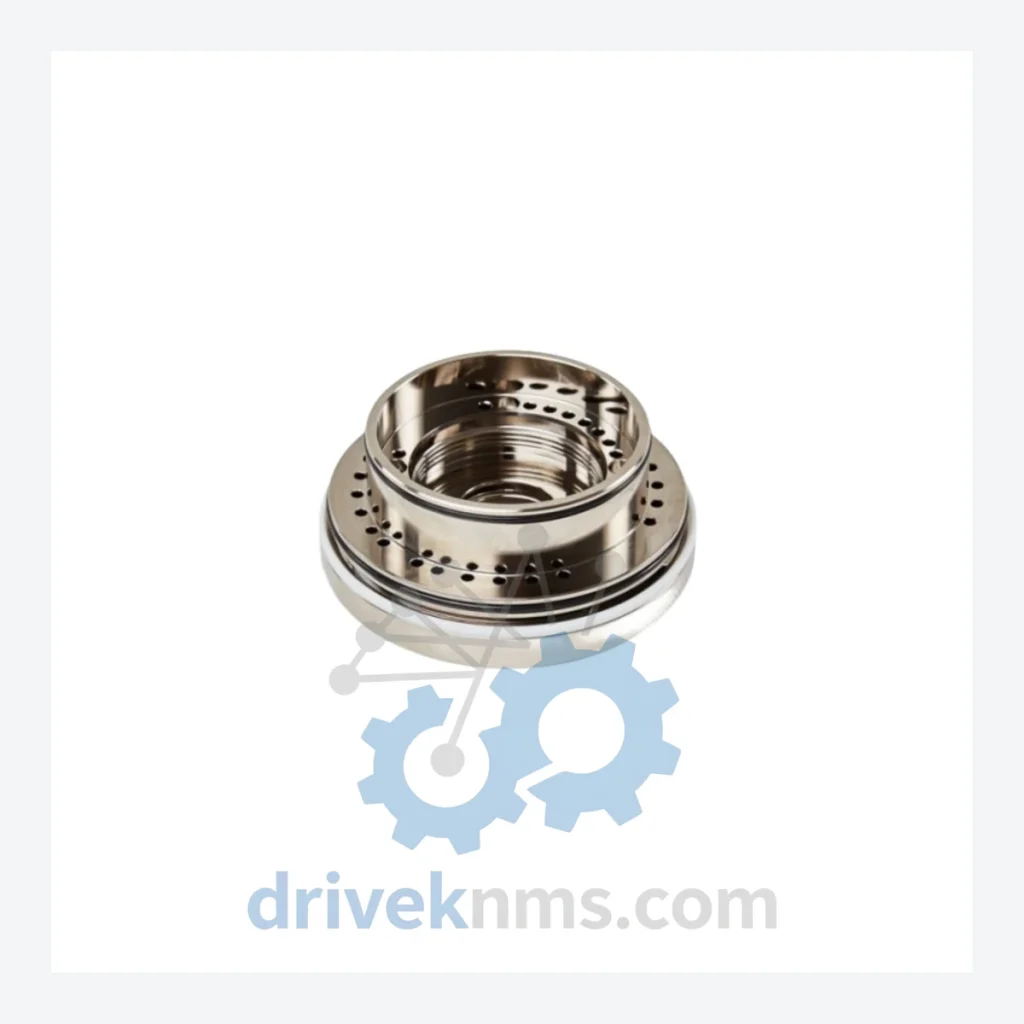
DriveKNMS holds RFQ-reviewed sourcing status of the ABB 3HAC047586-002 rotational AC motor with pinion, the OEM-specified axis drive component for the IRB 2600 series. This is a direct drop-in replacement. No mechanical modification. No controller re-parameterization. No production engineering involvement required beyond standard maintenance procedures.
RFQ support for obsolete parts: Send the model number, required quantity and destination so DriveKNMS can confirm sourcing options before quotation.
| Part Number | 3HAC047586-002 |
| Cross Reference | IRB26003HAC047586-003 / IRB26003HAC047586-002 |
| Description | Rotational AC Motor incl. Pinion |
| Compatible Robot | ABB IRB 2600 Series |
| Motor Type | AC Servo Motor |
| Manufacturer | ABB Robotics |
| Country of Origin | Sweden |
| Discontinuation Status | Discontinued / End-of-Life (OEM no longer supplying) |
| Pinion Included | Yes |
Note: Electrical parameters such as rated torque, encoder resolution, and winding specifications are not published here to prevent misapplication. Contact us with your robot serial number for full compatibility verification before ordering.
The ABB IRB 2600 was a widely deployed 6-axis industrial robot across automotive body shops, foundries, and general manufacturing lines throughout the 2010s. Its axis motors — including the 3HAC047586-002 — are now outside ABB's active supply chain. Facilities that built production processes around this platform face a hard choice: absorb the capital expenditure of a full robot replacement program, or maintain the existing asset with verified OEM spare parts while it continues to deliver ROI.
The rotational AC motor with pinion is a wear-critical component. It is directly responsible for axis positioning accuracy and repeatability. Degradation in this motor manifests as path deviation errors, increased cycle time variance, and ultimately axis fault alarms that halt production. Because the IRB 2600 controller (IRC5) communicates with the motor via a proprietary encoder protocol, substituting a non-OEM motor is not a straightforward field operation — it requires ABB service involvement and controller parameter modification, which is both time-consuming and expensive.
Maintaining a verified OEM spare — the 3HAC047586-002 — on the shelf eliminates this risk entirely. Mean time to repair drops from weeks to hours. Production continuity is preserved. The capital investment in the robot platform is protected for an additional service cycle.
Facilities running ABB IRC5-controlled IRB 2600 robots in high-cycle applications should treat this motor as a scheduled replacement item, not a reactive purchase. The cost of a planned swap during scheduled maintenance is a fraction of the cost of an unplanned failure during production.
Factory management facing pressure to retire aging robot platforms often underestimate the true cost of replacement versus the cost of structured maintenance. The following strategy has been applied successfully across automotive and heavy manufacturing facilities to extend the productive life of IRB 2600 installations well beyond OEM support windows:
1. Conduct a full axis motor condition audit. Use the IRC5 controller's built-in motor current monitoring and path accuracy logs to identify axes showing early degradation. Address these proactively before they become production-stopping failures.
2. Establish a critical spare inventory. For each IRB 2600 unit in service, identify the three to five highest-wear components — axis motors, gearboxes, and encoder cables — and hold at least one verified spare of each. The 3HAC047586-002 belongs on this list for any facility running this platform in a high-duty-cycle application.
3. Implement a motor swap schedule. Rather than running axis motors to failure, schedule replacement at defined hour intervals based on your application's duty cycle. A motor replaced during a planned shutdown costs a fraction of one replaced during an emergency stoppage.
4. Verify firmware and encoder compatibility before installation. Ensure that any replacement motor — including refurbished units — has been validated against the specific IRC5 controller firmware version in your installation. This is a step DriveKNMS performs as part of our QA process.
This approach does not require significant capital outlay. It requires discipline, accurate parts sourcing, and a supplier who can reliably provide verified OEM components for discontinued platforms. That is the function DriveKNMS serves.
Every 3HAC047586-002 unit shipped by DriveKNMS passes a structured 5-step inspection protocol before dispatch:
Step 1 – Electrolytic Capacitor Assessment: Internal capacitors are inspected for signs of aging, bulging, or electrolyte leakage. Units with capacitor degradation are quarantined and not offered for sale.
Step 2 – Firmware Version Verification: Where applicable, encoder firmware is checked against known compatible versions for the IRC5 controller. Incompatible firmware versions are flagged before dispatch review.
Step 3 – Pin and Connector Corrosion Inspection: All electrical connectors and motor pins are inspected under magnification for oxidation, corrosion, or mechanical damage. Affected contacts are treated or the unit is rejected.
Step 4 – Mechanical Integrity Check: The pinion gear and motor shaft are inspected for wear, chipping, and dimensional tolerance. Units outside acceptable mechanical tolerance are not dispatched.
Step 5 – Functional Bench Test: Where test equipment permits, units are powered and rotation verified prior to packaging. All units are shipped in anti-static, impact-protected packaging appropriate for precision servo components.
Q: How is condition confirmed before quotation?
A: Available condition, photos, test records and documentation are checked according to the requested model and sourcing channel before a formal RFQ response.
Q: How are RFQ terms confirmed?
A: Quantity, required condition, documentation needs, destination and sourcing route are confirmed during RFQ review before quotation.
Continue The Model Path
Move from this exact model into the matching system hub, brand archive, model-family archive or lifecycle sourcing route before sending a final RFQ list.
Related Paths
ABB NAMC-11C is listed for Controller Cards RFQ review. Confirm quantity, condition and destination before quotation.
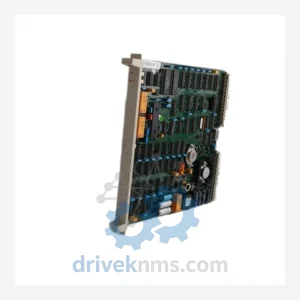
ABB LL02 is listed for Controller Cards RFQ review. Confirm quantity, condition and destination before quotation.
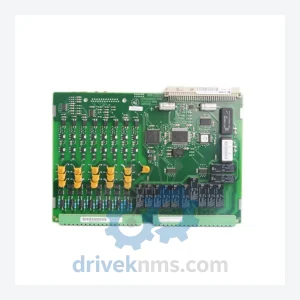
ABB LZ02 is listed for H&B Contronic LZ Series RFQ review. Confirm quantity, condition and destination before quotation.