
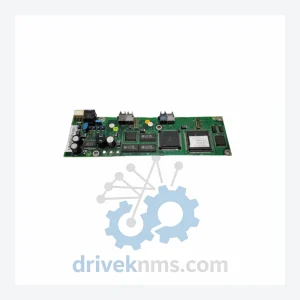
ABB NAMC-11C
ABB NAMC-11C is listed for Controller Cards RFQ review. Confirm quantity, condition and destination before quotation.
RFQ-ready industrial model
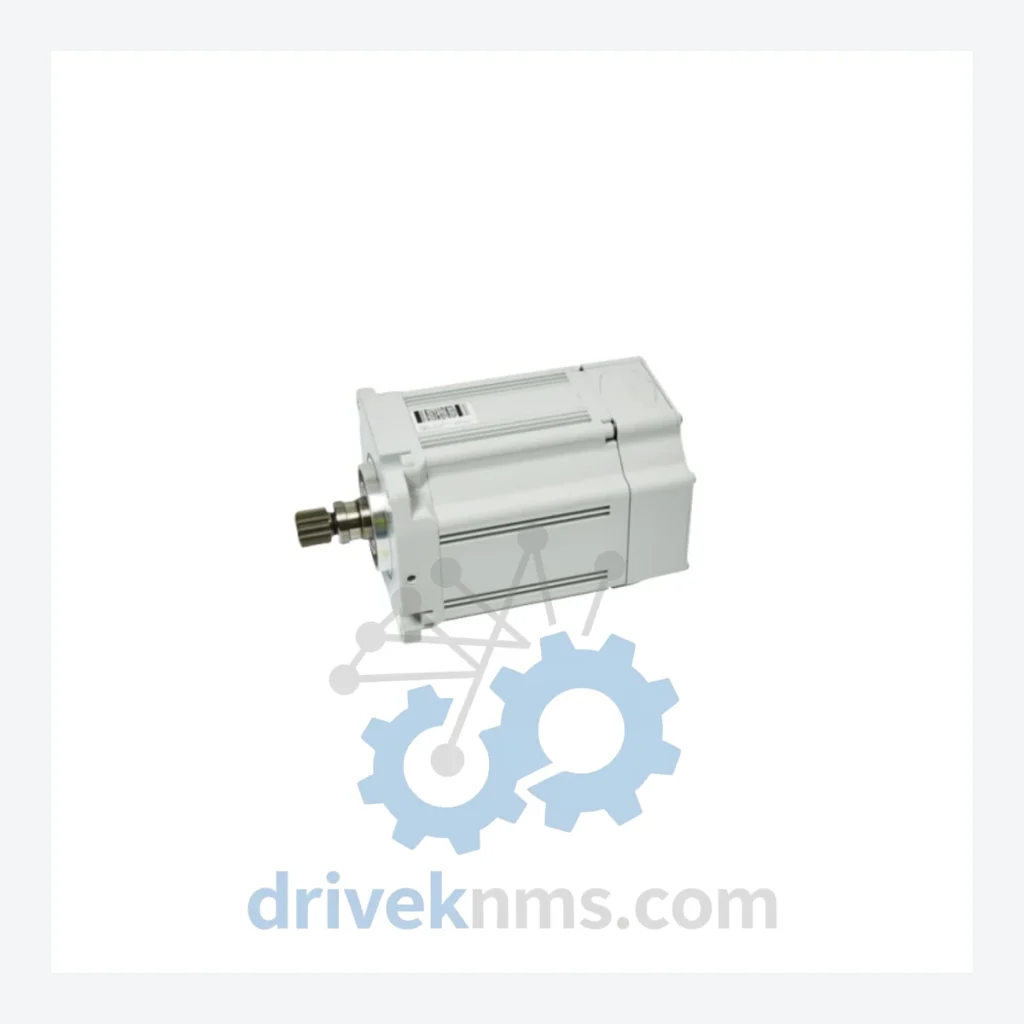
Model: IRB52 PDB02 3HNA006147-001 3HAB8101-8 IRB6700 3HAC055448-003 3HAC045060-001
Product Overview
Commercial availability is handled through direct RFQ, model verification and export-oriented follow-up rather than public cart checkout.
Datasheet Preview
Use attached product manuals when available. If the manual is not public yet, request the full file directly through RFQ.
Commercial Path
Product pages on DRIVEKNMS are designed to verify model, brand and series first, then move the buyer into one clean quotation path.
Technical Dossier
RFQ support for obsolete parts: Send the model number, required quantity and destination so DriveKNMS can confirm sourcing options before quotation.
| Part Number | 3HNA006147-001 |
|---|---|
| Cross References | 3HAB8101-8 / 3HAC055448-003 / 3HAC045060-001 |
| Description | Rotary AC Servo Motor (incl. pinion) |
| Compatible Robots | ABB IRB52, ABB IRB6700 |
| Axis Application | PDB02 Drive Unit (Axis motor assembly) |
| Controller Compatibility | ABB S4C+, ABB IRC5 |
| Country of Origin | Sweden |
| Discontinuation Status | Confirmed Obsolete – No longer manufactured by ABB |
| Availability | RFQ availability review – DriveKNMS verified inventory |
Note: Electrical parameters (voltage, current rating, encoder resolution) are not published here to prevent misapplication. Contact us with your robot serial number for full compatibility confirmation before ordering.
The ABB IRB52 is a compact arc welding robot introduced in the early 2000s and widely deployed in automotive body shops, exhaust system fabrication, and small-part welding cells. The IRB6700 is a high-payload general-purpose robot that remains in active production use across thousands of facilities globally. Both platforms share a common drive architecture that relies on specific rotary AC motor assemblies — of which the 3HNA006147-001 family is a primary axis component.
ABB's standard spare parts support window for legacy robot models typically runs 10–15 years post-discontinuation. For many IRB52 installations, that window has closed or is closing. When ABB's own supply chain can no longer fulfill a motor order, the only path that does not involve a full cell replacement is the independent aftermarket. That is precisely the gap DriveKNMS fills.
Replacing a single motor assembly costs a fraction of what a robot cell upgrade demands. A forced migration to a current ABB generation requires new controller hardware, updated teach pendants, re-written RAPID programs, updated safety validation, and in many cases, new end-of-arm tooling interfaces. For a single welding cell, total migration cost routinely exceeds USD 80,000–150,000 when all engineering and lost production time is included. A verified replacement motor from DriveKNMS protects that capital investment and keeps the existing cell productive.
Factory management teams facing end-of-support pressure on legacy robot fleets have a practical alternative to forced replacement: a structured critical-spare strategy. The following approach has been applied successfully across automotive, electronics, and heavy industry facilities operating ABB S4C+ and IRC5 platforms:
4. Document firmware and software versions. For ABB S4C+ controllers, the robot software version must be compatible with replacement hardware. Confirm this before a failure occurs, not during one.
5. Partner with a verified obsolete-parts supplier. Not all aftermarket inventory is equal. Confirm that your supplier performs incoming inspection, maintains traceability records, and can provide condition reports on request. DriveKNMS operates under these standards.
Facilities that implement this approach consistently extend productive asset life by 5–10 years beyond the OEM's support window — deferring capital expenditure until it is strategically planned rather than crisis-driven.
All obsolete motor assemblies processed by DriveKNMS pass a 5-stage quality protocol before dispatch:
Stage 1 – Visual and mechanical inspection. Housing integrity, shaft condition, connector pin inspection for corrosion, oxidation, or mechanical deformation. Units with compromised connectors are rejected at this stage.
Stage 2 – Electrolytic capacitor assessment. Drive-integrated capacitors are checked for bulging, leakage, and ESR deviation. Aged capacitors are replaced before the unit is offered for sale.
Stage 3 – Encoder and feedback verification. Resolver or encoder output is verified against known-good reference signals. Units with degraded feedback signals are not dispatched.
Stage 4 – Firmware version logging. Where applicable, embedded firmware versions are recorded and disclosed to the buyer prior to shipment.
Stage 5 – Functional run test. Where test bench infrastructure permits, the motor is run under load and thermal output is monitored. Results are documented and available on request.
Drop-in replacement. The 3HNA006147-001 installs directly into the IRB52 and IRB6700 motor mount without mechanical modification. No fixture changes, no re-machining.
No re-programming required. The motor assembly is mechanically and electrically compatible with the existing ABB S4C+ and IRC5 controller configuration. RAPID programs, tool data, and work object definitions remain unchanged after replacement.
How do I confirm this is a new or quality-refurbished unit?
Each unit is accompanied by a condition report generated during our 5-stage QA process. We disclose the unit condition (new surplus, tested refurbished, or inspected used) before order confirmation. We do not ship units without a documented condition classification.
Can you source other ABB IRB52 or IRB6700 spare parts?
Yes. DriveKNMS specializes in hard-to-find and obsolete components across the ABB robotics range, including drive units, power supplies, teach pendants, and controller boards. Submit your full parts list for a consolidated quotation.
Continue The Model Path
Move from this exact model into the matching system hub, brand archive, model-family archive or lifecycle sourcing route before sending a final RFQ list.
Related Paths
ABB NAMC-11C is listed for Controller Cards RFQ review. Confirm quantity, condition and destination before quotation.
ABB LL02 is listed for Controller Cards RFQ review. Confirm quantity, condition and destination before quotation.
ABB LZ02 is listed for H&B Contronic LZ Series RFQ review. Confirm quantity, condition and destination before quotation.