
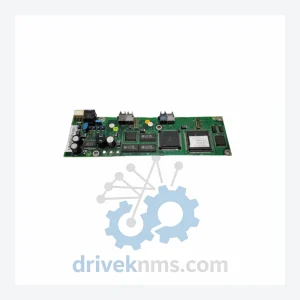
ABB NAMC-11C
ABB NAMC-11C is listed for Controller Cards RFQ review. Confirm quantity, condition and destination before quotation.
RFQ-ready industrial model
Model: IRB67003HAC055440-003 IRB67003HAC046046-004 3HAC046046-004
Product Overview
Commercial availability is handled through direct RFQ, model verification and export-oriented follow-up rather than public cart checkout.
Datasheet Preview
Use attached product manuals when available. If the manual is not public yet, request the full file directly through RFQ.
Commercial Path
Product pages on DRIVEKNMS are designed to verify model, brand and series first, then move the buyer into one clean quotation path.
Technical Dossier
RFQ support for obsolete parts: Send the model number, required quantity and destination so DriveKNMS can confirm sourcing options before quotation.
| Parameter | Detail |
|---|---|
| Part Number | 3HAC046046-004 |
| Cross Reference | IRB67003HAC055440-003 / IRB67003HAC046046-004 |
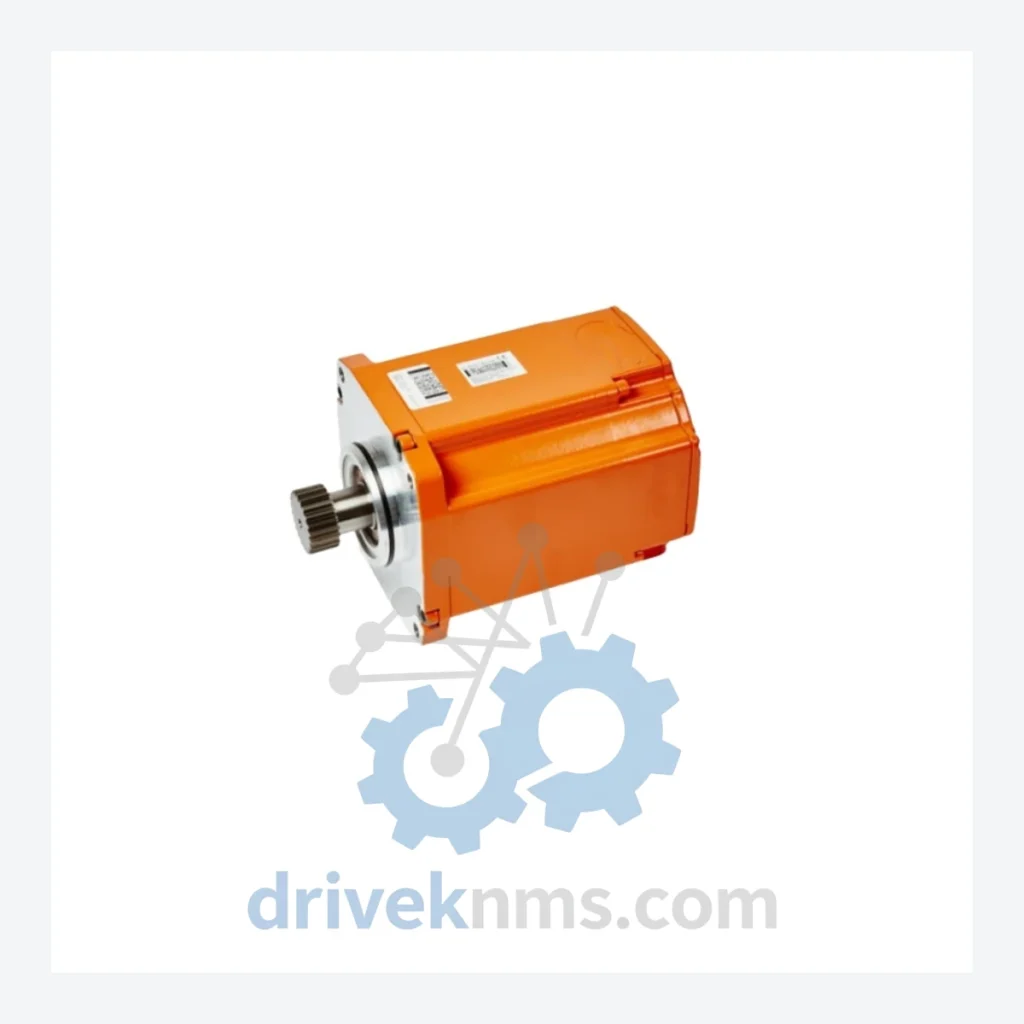
| Description | Rotary AC Motor (incl. pinion) |
| Compatible Robot Series | ABB IRB 6700 |
| Motor Type | AC Servo Motor |
| Manufacturer | ABB Robotics |
| Country of Origin | Sweden |
| Lifecycle Status | Discontinued / End-of-Life (EOL) |
| Typical Application | Axis drive on IRB 6700 robot manipulator arm |
Note: Electrical parameters such as rated voltage, current, and encoder resolution are axis-position dependent. Contact us with your robot serial number for axis-specific confirmation before ordering.
The ABB IRB 6700 platform entered widespread deployment in automotive body-in-white, foundry, and heavy-material-handling applications from approximately 2013 onward. Many of these installations are now approaching or past their original 10-year design horizon, yet the mechanical and structural integrity of the robot arm itself remains sound. The weak point is the servo motor — a wear component subject to bearing fatigue, winding insulation degradation, and encoder drift over high-duty-cycle operation.
ABB's standard recommendation at end-of-life is system migration to the IRB 6700 successor platforms, which requires new controller hardware (IRC5 to OmniCore transition), updated safety I/O mapping, and full re-teaching of robot programs. For a production cell with 6 to 12 robots, this migration project typically spans 6 to 18 months of engineering time and carries capital expenditure in the range of USD $1.5M to $4M.
The alternative is targeted component-level maintenance. A single 3HAC046046-004 motor replacement, performed by a qualified ABB-certified service engineer, restores full axis performance at a fraction of the system replacement cost. For plant managers operating under capital expenditure freezes or managing assets through a defined 3-to-5-year production wind-down, this is not a compromise — it is the financially defensible decision.
Obsolete servo motors sourced from the secondary market carry specific failure risks that differ from new-production components. Our 5-step QA protocol addresses the failure modes most commonly encountered in aged ABB motor units:
Step 1 – Electrolytic Capacitor Assessment: Internal capacitors in the motor's integrated encoder electronics are inspected for ESR drift and physical swelling. Capacitors beyond rated service life are replaced before the unit is offered for sale.
Step 2 – Winding Insulation Resistance Test: Each motor winding is tested with a calibrated megohmmeter. Units failing the 1MΩ minimum threshold at 500VDC are rejected from inventory.
Step 3 – Encoder Firmware and Signal Verification: The encoder output is verified against ABB's known signal specification for this part number. Firmware version is logged and disclosed to the buyer.
Step 4 – Pinion and Shaft Inspection: The integrated pinion (included per the -004 variant designation) is inspected for tooth wear, surface pitting, and dimensional conformance. Units with measurable gear wear beyond ABB's published tolerance are not sold as functional replacements.
Step 5 – Corrosion and Pin Integrity Check: All connector pins and motor housing contact surfaces are inspected under magnification for oxidation, fretting corrosion, and mechanical damage. Affected pins are cleaned or the unit is downgraded accordingly.
Condition grade and inspection findings are disclosed in writing with every shipment.
This matters operationally. An engineering redesign to accommodate a non-OEM motor equivalent would require mechanical drawings, safety re-validation under ISO 10218, and updated risk assessments — a process that adds weeks of engineering cost before a single bolt is turned. The OEM part number eliminates that overhead entirely. For plants running ABB RobotWare 6.x on IRC5 controllers, the motor's encoder data is recognized natively by the controller's motor calibration routines, preserving existing fine-calibration offsets.
Procurement of a verified spare unit now, held in controlled storage, is the lowest-cost insurance available against an unplanned axis failure. A single production stoppage lasting 48 hours typically costs more than a full inventory of critical spare motors for an entire robot cell.
How do I confirm this is a genuine ABB unit and not a counterfeit?
Each unit is inspected for OEM markings, label authenticity, and internal construction consistent with ABB manufacturing standards. We provide the unit's traceable part label and inspection report with shipment. If you require additional provenance documentation, contact us before purchase.
Should I buy more than one unit?
For any production facility running more than two IRB 6700 robots on a critical line, holding a minimum of one spare motor per axis type is standard practice in industrial asset management. Given the EOL status of this part, restocking after a failure event is not guaranteed. Facilities with defined production horizons of 5 years or more should consider securing a multi-unit reserve now while RFQ-reviewed sourcing status is available.
Can this motor be used on IRB 6700 variants other than the ones listed?
The 3HAC046046-004 is specified for particular axis positions within the IRB 6700 family. Compatibility depends on the specific robot variant and axis number. Provide your robot's type designation and serial number when contacting us, and we will confirm applicability before order confirmation.
Continue The Model Path
Move from this exact model into the matching system hub, brand archive, model-family archive or lifecycle sourcing route before sending a final RFQ list.
Related Paths
ABB NAMC-11C is listed for Controller Cards RFQ review. Confirm quantity, condition and destination before quotation.
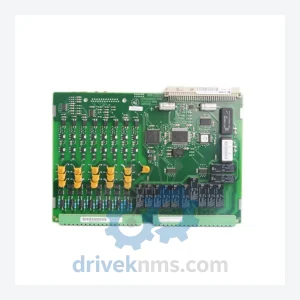
ABB LZ02 is listed for H&B Contronic LZ Series RFQ review. Confirm quantity, condition and destination before quotation.
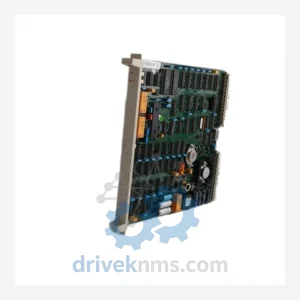
ABB LL02 is listed for Controller Cards RFQ review. Confirm quantity, condition and destination before quotation.