
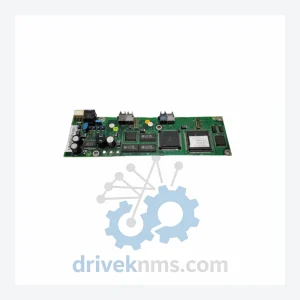
ABB NAMC-11C
ABB NAMC-11C is listed for Controller Cards RFQ review. Confirm quantity, condition and destination before quotation.
RFQ-ready industrial model
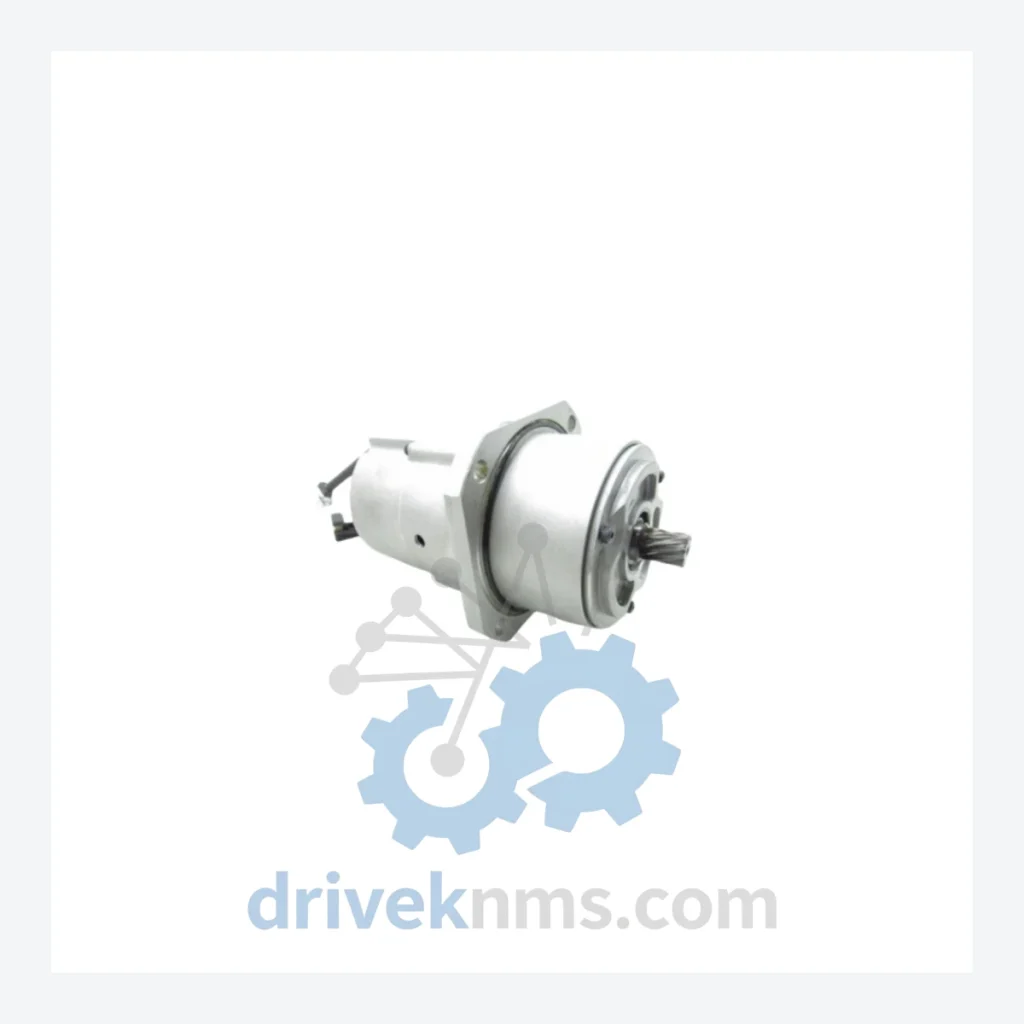
Model: IRB67003HAC055697-003\\3HAC046046-003 3HAC055697-003 IRB67003HAC055697-003
Product Overview
Commercial availability is handled through direct RFQ, model verification and export-oriented follow-up rather than public cart checkout.
Datasheet Preview
Use attached product manuals when available. If the manual is not public yet, request the full file directly through RFQ.
Commercial Path
Product pages on DRIVEKNMS are designed to verify model, brand and series first, then move the buyer into one clean quotation path.
Technical Dossier
RFQ support for obsolete parts: Send the model number, required quantity and destination so DriveKNMS can confirm sourcing options before quotation.
| Part Number | 3HAC055697-003 |
|---|---|
| Cross Reference | 3HAC046046-003 |
| Compatible Robot | ABB IRB 6700 Series |
| Component Type | Rotating AC Servo Motor (Axis Drive) |
| Manufacturer | ABB Robotics |
| Country of Origin | Sweden |
| Product Status | Discontinued / Obsolete – No longer manufactured by ABB |
| Typical Application | Axis rotation drive on IRB 6700 industrial robot arm |
| Compatible Controller | ABB IRC5 |
Note: Electrical parameters (voltage, current rating, encoder resolution) are not published here to prevent specification mismatch. Confirmed technical data is provided upon request with your robot serial number.
The ABB IRB 6700 platform entered service in 2013 and became one of the most widely deployed heavy-payload robots in automotive and general manufacturing. Its IRC5 controller architecture and axis motor assemblies were engineered for a 20-year service life under normal maintenance schedules. However, ABB's component lifecycle does not always align with the operational lifecycle of the installed base. When individual axis motor assemblies such as the 3HAC055697-003 reach end-of-production status, facilities face a structural problem: the robot itself has years of productive life remaining, but the supply chain for its critical wear components has closed.
Replacing a single IRB 6700 cell is not a straightforward procurement exercise. It involves robot decommissioning, new robot commissioning, TCP recalibration, program migration, safety validation, and production requalification — a process that typically requires 4 to 12 weeks of engineering time in addition to capital outlay. For multi-robot lines, the disruption compounds. The rational alternative is to secure verified spare motor assemblies while they remain available through specialist distributors, and to establish a documented spare parts reserve that extends the operational horizon of the existing asset by 5 to 10 years.
DriveKNMS sources 3HAC055697-003 units through controlled industrial asset recovery channels. Each unit is physically inspected before listing. We do not list parts we cannot ship.
Discontinued servo motor assemblies present specific failure risks that differ from standard wear parts. Our 5-step QA protocol addresses the failure modes most commonly observed in stored or recovered ABB axis motors:
Step 1 – Electrolytic Capacitor Assessment: Internal drive capacitors degrade over time regardless of operating hours. Units are assessed for capacitor condition and flagged if electrolyte leakage or bulging is detected.
Step 2 – Encoder and Feedback Integrity Check: The resolver or encoder assembly is tested for signal continuity and output consistency. Axis positioning errors caused by degraded feedback components are a primary cause of IRB 6700 axis faults.
Step 3 – Firmware and Label Verification: Part number labels, revision markings, and any embedded firmware identifiers are cross-checked against ABB documentation to confirm the unit matches the 3HAC055697-003 specification.
Step 4 – Pin and Connector Corrosion Inspection: Motor connectors and encoder connectors are inspected under magnification for oxidation, pin deformation, or contamination that would cause intermittent faults after installation.
Step 5 – Functional Rotation Test (where applicable): Units that can be safely bench-tested are run through a rotation verification cycle to confirm mechanical freedom and bearing condition before dispatch.
Units that do not pass all five steps are not offered for sale. Condition grade (New, Refurbished-Grade-A, or Tested-Used) is disclosed on the invoice.
The 3HAC055697-003 is a direct drop-in replacement for the original axis motor assembly on the IRB 6700. Installation does not require reprogramming of the IRC5 controller, reconfiguration of motion parameters, or modification of the robot's mechanical structure. The replacement procedure follows standard ABB service documentation and can be completed by a qualified robot technician without OEM involvement.
This matters operationally. Engineering-led system upgrades — even partial ones — require change management documentation, safety re-validation, and in regulated industries, customer or regulatory notification. A like-for-like spare part replacement avoids all of that overhead. The robot returns to its validated operational state. Production resumes on the existing program. No requalification cycle is triggered.
Plant managers facing pressure to justify continued operation of IRB 6700 installations — rather than approving capital for new robot platforms — benefit from a structured spare parts strategy. The following framework applies directly to the IRB 6700 and its discontinued component set:
This approach has been used by maintenance engineering teams across automotive, food processing, and logistics automation to defer robot platform replacement by 5 to 10 years without compromising throughput or safety standards.
Q: What information do I need to provide when ordering?
A: Your robot serial number and the specific axis position (e.g., Axis 1, Axis 2) help us confirm compatibility before dispatch review. This step is not optional for motor assemblies — axis-specific variants exist within the IRB 6700 platform.
Continue The Model Path
Move from this exact model into the matching system hub, brand archive, model-family archive or lifecycle sourcing route before sending a final RFQ list.
Related Paths
ABB NAMC-11C is listed for Controller Cards RFQ review. Confirm quantity, condition and destination before quotation.
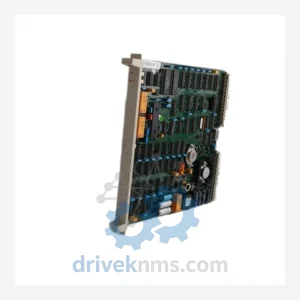
ABB LL02 is listed for Controller Cards RFQ review. Confirm quantity, condition and destination before quotation.
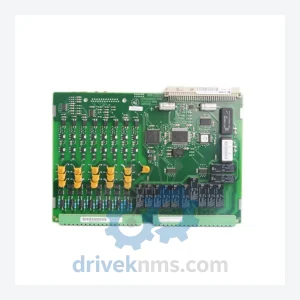
ABB LZ02 is listed for H&B Contronic LZ Series RFQ review. Confirm quantity, condition and destination before quotation.