
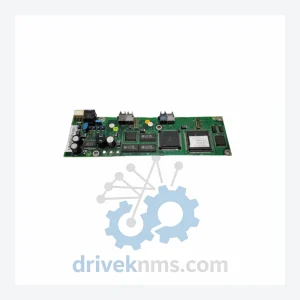
ABB NAMC-11C
ABB NAMC-11C is listed for Controller Cards RFQ review. Confirm quantity, condition and destination before quotation.
RFQ-ready industrial model
Model: MSR04XI
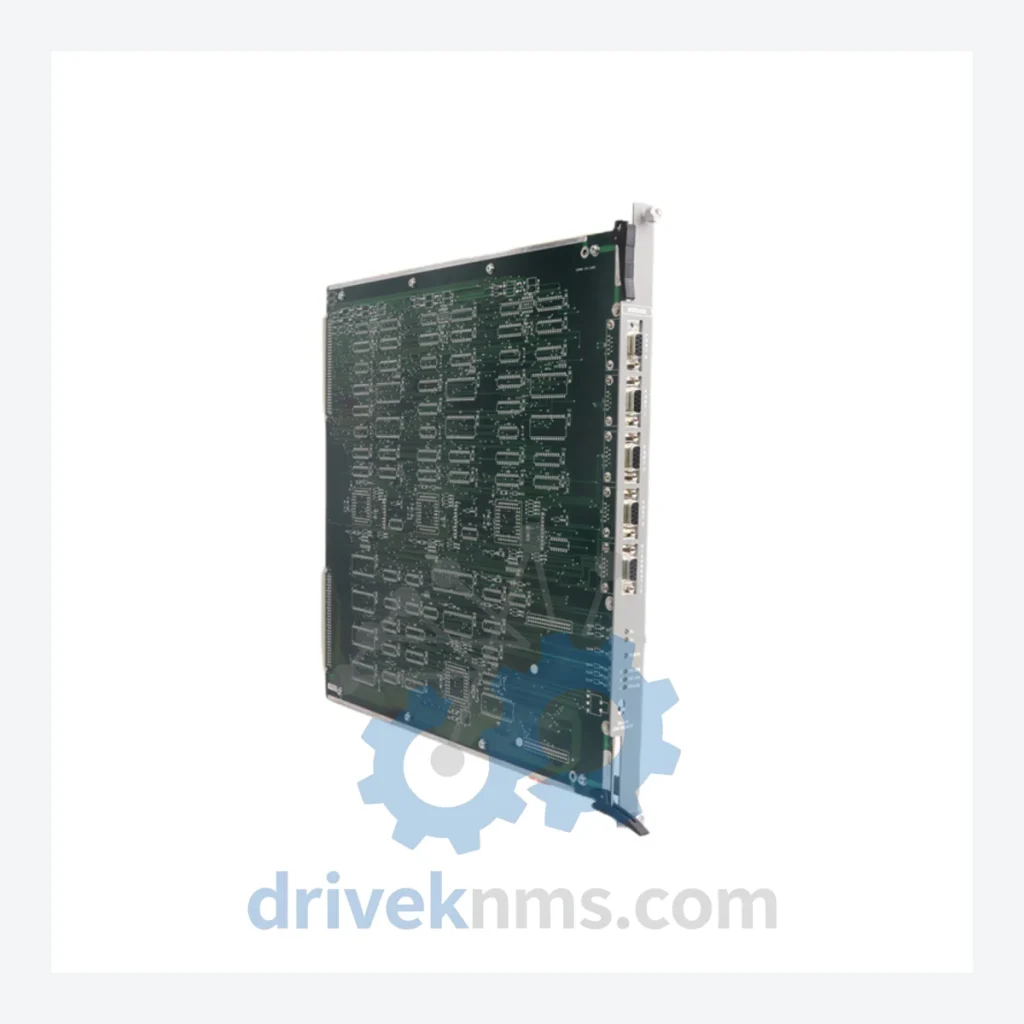
Product Overview
Commercial availability is handled through direct RFQ, model verification and export-oriented follow-up rather than public cart checkout.
Datasheet Preview
Use attached product manuals when available. If the manual is not public yet, request the full file directly through RFQ.
Commercial Path
Product pages on DRIVEKNMS are designed to verify model, brand and series first, then move the buyer into one clean quotation path.
Technical Dossier
The ABB MSR series represents a core component family within ABB's distributed control and relay logic infrastructure, deployed extensively across global heavy industry sectors including petrochemical refineries, nuclear power generation facilities, offshore platforms, and large-scale chemical processing plants. These modules operate within ABB's modular automation architecture, providing reliable signal conditioning, communications interfacing, and I/O expansion in environments where uptime is non-negotiable. The MSR series has accumulated a substantial installed base across EMEA, Asia-Pacific, and North American industrial sites, making long-term spare parts availability a critical operational concern for plant engineers and maintenance teams.
The ABB MSR series was developed as part of ABB's broader strategy to deliver modular, rack-mounted automation components compatible with its INFI 90, Advant, and Symphony Plus control platforms. Early MSR modules focused on discrete signal relay and basic communications bridging. As industrial networks evolved from proprietary fieldbus protocols toward PROFIBUS, HART, and Ethernet-based architectures, the MSR series expanded to include dedicated communications adapters and protocol converters. Compatibility across generations remains a key engineering consideration: later MSR variants maintained backward-compatible backplane pinouts where possible, but firmware and configuration tool dependencies (e.g., Control Builder, Symphony Composer) vary by hardware revision. Plants operating mixed-generation MSR populations must account for these compatibility constraints during system upgrades or module replacements. The series is now considered mature-to-end-of-life for several variants, placing long-term maintenance support and certified refurbished inventory at the center of procurement strategy for asset-intensive industries.
The following SKUs represent verified models within the ABB MSR series, classified by functional category. Each entry reflects the module's primary role within a control system architecture.
Communications & Interface Modules
Digital Input (DI) Modules
Digital Output (DO) Modules
Analog Input (AI) Modules
Power Supply Modules
ABB MSR modules incorporate multi-layer backplane bus communication and optically isolated I/O circuitry that requires specialized test procedures beyond standard continuity checks. DriveKNMS applies a structured QC protocol to all MSR units prior to dispatch: (1) Visual inspection for PCB damage, capacitor condition, and connector integrity; (2) Backplane bus communication verification using ABB-compatible test rigs to confirm correct module addressing and data exchange; (3) Channel-level functional testing — each I/O channel is exercised at rated signal levels to verify accuracy, isolation resistance, and response time; (4) Firmware version identification and documentation, flagged against known compatibility matrices for Symphony Plus and Advant OCS environments; (5) Final burn-in test under load conditions to screen for latent component failures. All test results are logged and supplied with the unit upon delivery.
Continue The Model Path
Move from this exact model into the matching system hub, brand archive, model-family archive or lifecycle sourcing route before sending a final RFQ list.
Related Paths
ABB NAMC-11C is listed for Controller Cards RFQ review. Confirm quantity, condition and destination before quotation.
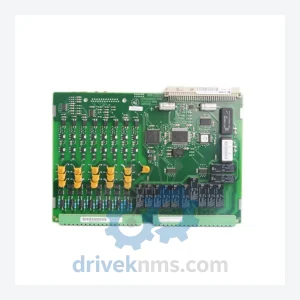
ABB LZ02 is listed for H&B Contronic LZ Series RFQ review. Confirm quantity, condition and destination before quotation.
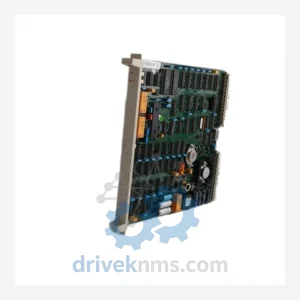
ABB LL02 is listed for Controller Cards RFQ review. Confirm quantity, condition and destination before quotation.