
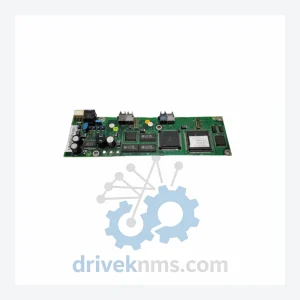
ABB NAMC-11C
ABB NAMC-11C is listed for Controller Cards RFQ review. Confirm quantity, condition and destination before quotation.
RFQ-ready industrial model
Model: NDBU-85C
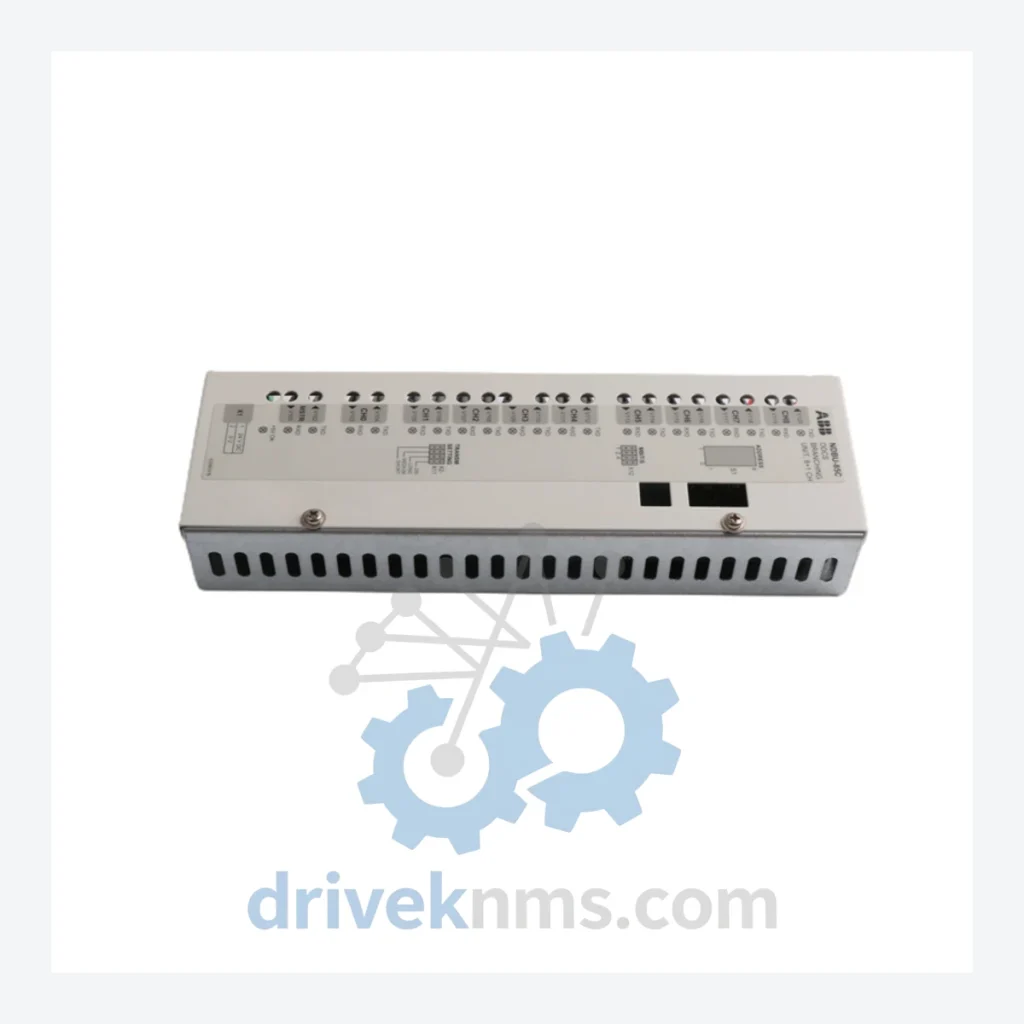
Product Overview
Commercial availability is handled through direct RFQ, model verification and export-oriented follow-up rather than public cart checkout.
Datasheet Preview
Use attached product manuals when available. If the manual is not public yet, request the full file directly through RFQ.
Commercial Path
Product pages on DRIVEKNMS are designed to verify model, brand and series first, then move the buyer into one clean quotation path.
Technical Dossier
The ABB NDBU series represents a critical component family within ABB's AC500 and S800 I/O distributed control architecture, deployed extensively across global heavy industry sectors including petrochemical refineries, nuclear power generation facilities, offshore oil and gas platforms, and large-scale chemical processing plants. The NDBU (Node Distribution Bus Unit) line functions as the backbone of ABB's distributed I/O topology, enabling high-density signal aggregation and deterministic fieldbus communication between field devices and central control systems. Installations of NDBU-series hardware are documented across ABB Freelance DCS, Symphony Plus, and AC500 PLC platforms, making this series one of the most widely maintained legacy module families in the industrial automation aftermarket.
The following SKUs represent verified, commonly deployed modules within the ABB NDBU and associated S800 I/O ecosystem. Each entry reflects a distinct functional role within the distributed node architecture.
NDBU-85C: Dual-bus node distribution unit, 85-module capacity, redundant backplane communication, hot-swap support.
NDBU-85: Single-bus node distribution unit, 85-module capacity, standard PROFIBUS-DP interface.
NDBU-21C: Compact dual-bus node unit, 21-slot configuration, redundant optical bus, DIN-rail mount.
NDBU-21: Single-bus compact node unit, 21-slot, PROFIBUS-DP, non-redundant configuration.
NFAI 760: 8-channel analog input module, 4–20 mA, HART-enabled, S800 I/O compatible.
NFAO 720: 8-channel analog output module, 4–20 mA, HART pass-through, S800 I/O.
NFDI 760: 24-channel digital input module, 24 VDC, high-density, S800 I/O bus.
NFDO 720: 16-channel digital output module, 24 VDC, 0.5 A per channel, S800 I/O.
NFDI 760F: 24-channel digital input, SIL 2 functional safety rated, S800 I/O.
NFDO 720F: 16-channel digital output, SIL 2 rated, safety-certified for ESD applications.
NFAI 760F: 8-channel analog input, SIL 2 functional safety, HART, S800 I/O.
NFAO 720F: 8-channel analog output, SIL 2 rated, safety loop certified.
NFCP 60: Communication processor module, PROFIBUS-DP master/slave, S800 I/O node.
NFPS 60: Power supply module for S800 I/O node, 24 VDC input, redundancy-capable.
NFPS 60R: Redundant power supply module, dual-feed 24 VDC, automatic failover.
NFDI 760H: 24-channel digital input, NAMUR sensor compatible, intrinsically safe interface.
NFAO 720H: 8-channel analog output, HART, high-accuracy 16-bit DAC, S800 I/O.
NDBU-85C/S: NDBU-85C with integrated surge protection, enhanced EMC shielding variant.
ABB NDBU-series modules present specific test challenges due to their dual-backplane bus architecture, optical fiber communication interfaces, and integrated power distribution circuitry. DriveKNMS applies a structured, module-class-specific test protocol for all NDBU inventory:
Backplane Bus Integrity Test: Each NDBU unit is bench-tested under simulated load with active S800 I/O modules to verify both primary and redundant bus channels independently. Switchover latency is measured and must meet ABB's published specification of <1 ms for redundant configurations.
Optical Interface Verification: RCOM optical transceivers are tested for signal power, wavelength accuracy, and bit-error rate (BER) using calibrated optical test equipment.
Power Rail Load Test: 24 VDC distribution rails are tested at 100% rated load for thermal stability and voltage regulation accuracy (±1%).
Firmware Revision Audit: All units are inspected for firmware version compatibility with target platform revisions (Symphony Plus R6.x, Freelance 2019+).
Environmental Stress Screen: Selected units undergo 48-hour burn-in at elevated temperature (55°C) to screen for latent component failures prior to dispatch.
Continue The Model Path
Move from this exact model into the matching system hub, brand archive, model-family archive or lifecycle sourcing route before sending a final RFQ list.
Related Paths
ABB NAMC-11C is listed for Controller Cards RFQ review. Confirm quantity, condition and destination before quotation.
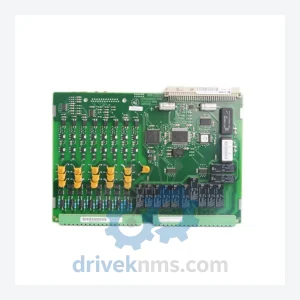
ABB LZ02 is listed for H&B Contronic LZ Series RFQ review. Confirm quantity, condition and destination before quotation.
ABB LL02 is listed for Controller Cards RFQ review. Confirm quantity, condition and destination before quotation.