
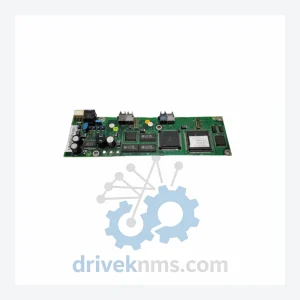
ABB NAMC-11C
ABB NAMC-11C is listed for Controller Cards RFQ review. Confirm quantity, condition and destination before quotation.
RFQ-ready industrial model
Model: NKTU01-20
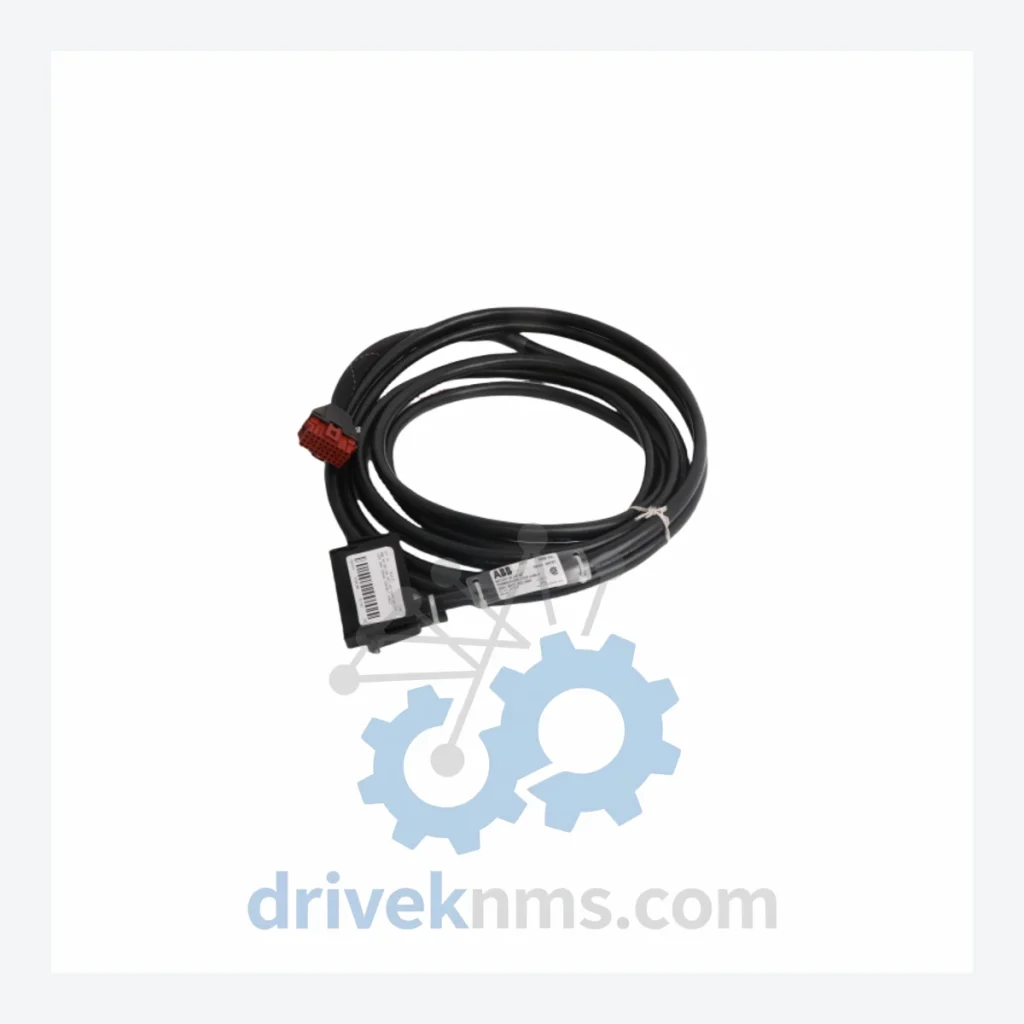
Product Overview
Commercial availability is handled through direct RFQ, model verification and export-oriented follow-up rather than public cart checkout.
Datasheet Preview
Use attached product manuals when available. If the manual is not public yet, request the full file directly through RFQ.
Commercial Path
Product pages on DRIVEKNMS are designed to verify model, brand and series first, then move the buyer into one clean quotation path.
Technical Dossier
The ABB NKTU series is a family of I/O bus termination and communication interface modules developed for ABB's Advant Controller and AC800M distributed control system (DCS) platforms. These modules are deployed across global heavy industry sectors including petrochemical refineries, nuclear power stations, offshore oil & gas platforms, pulp and paper mills, and large-scale chemical processing facilities. The NKTU series functions as the physical and logical bridge between field instrumentation and the controller backplane, enabling deterministic, high-integrity signal transmission in safety-critical environments. Installed base counts for this series run into the tens of thousands of nodes globally, making long-term parts availability a primary operational concern for plant maintenance engineers.
The NKTU series was introduced as part of ABB's Advant OCS (Open Control System) architecture in the early 1990s, designed to interface S100 and S800 I/O families with the Advant Controller 110, 160, and 450 platforms. Original NKTU01 variants used parallel backplane communication over ABB's proprietary S100 bus protocol. As ABB transitioned to the AC800M platform in the late 1990s and early 2000s, the NKTU series was extended to support Modulebus and PROFIBUS-DP communication layers, enabling coexistence with modern fieldbus architectures.
The following SKUs represent verified, commonly deployed modules within the ABB NKTU and closely associated Advant/AC800M I/O interface families, classified by functional category.
I/O Bus Termination Units (NKTU Core Series)
Analog Input (AI) Modules
Analog Output (AO) Modules
Digital Input (DI) Modules
Digital Output (DO) Modules
CPU & Communication Modules
NKTU series modules present specific test challenges due to their backplane bus interface architecture and multi-pin edge connector design. DriveKNMS applies the following quality control protocol to all NKTU units processed through its facility:
Continue The Model Path
Move from this exact model into the matching system hub, brand archive, model-family archive or lifecycle sourcing route before sending a final RFQ list.
Related Paths
ABB NAMC-11C is listed for Controller Cards RFQ review. Confirm quantity, condition and destination before quotation.
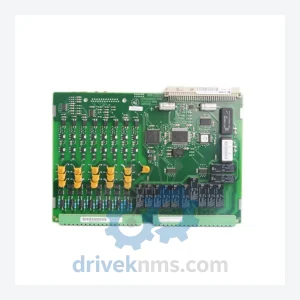
ABB LZ02 is listed for H&B Contronic LZ Series RFQ review. Confirm quantity, condition and destination before quotation.
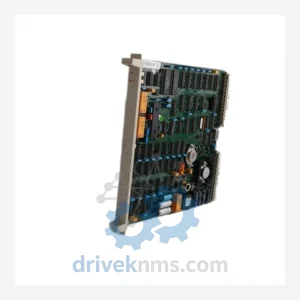
ABB LL02 is listed for Controller Cards RFQ review. Confirm quantity, condition and destination before quotation.