
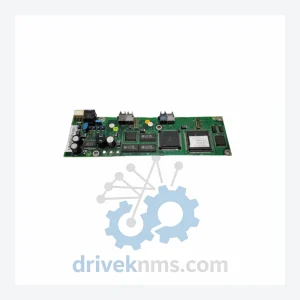
ABB NAMC-11C
ABB NAMC-11C is listed for Controller Cards RFQ review. Confirm quantity, condition and destination before quotation.
RFQ-ready industrial model
Model: ON6KB S6048 41V 3HAC052287-002 2N2338
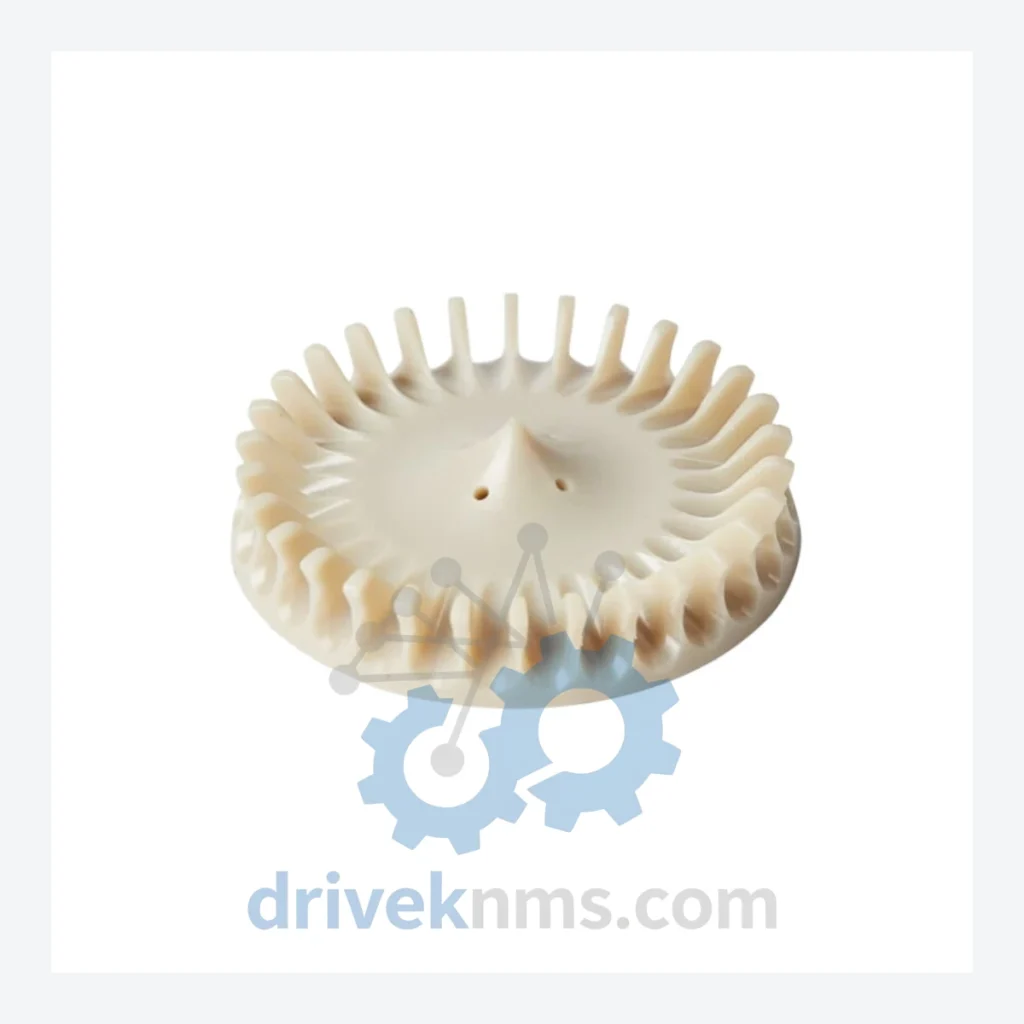
Product Overview
Commercial availability is handled through direct RFQ, model verification and export-oriented follow-up rather than public cart checkout.
Datasheet Preview
Use attached product manuals when available. If the manual is not public yet, request the full file directly through RFQ.
Commercial Path
Product pages on DRIVEKNMS are designed to verify model, brand and series first, then move the buyer into one clean quotation path.
Technical Dossier
The ABB IRC5 robot controller platform is one of the most widely deployed motion control architectures in global heavy industry. Installed across automotive assembly lines, chemical processing plants, nuclear facility maintenance operations, oil refineries, and precision manufacturing cells, the IRC5 system has established a dominant position as the standard controller for ABB's 6-axis industrial robot arms — including the IRB 140, IRB 1600, IRB 2600, IRB 4600, IRB 6640, and IRB 7600 families.
The IRC5 controller introduced a modular, distributed hardware architecture that separates the main computer unit (MCU), drive units, I/O modules, and communication adapters into independently serviceable assemblies. This design philosophy has made the IRC5 platform exceptionally maintainable over its multi-decade service life, and has driven sustained global demand for individual spare part modules — including HUB boards, axis computer boards, power distribution units, and fieldbus adapters.
The 3HAC052287-002 is a HUB module used within the IRC5 controller cabinet, carrying the board-level identifiers ON6KB, S6048, 41V, and assembly reference 2N2338. It functions as an internal communication and signal distribution board, routing data between the main computer and peripheral I/O or drive sub-systems within the controller enclosure.
ABB introduced the IRC5 controller in 2004 as the successor to the S4C+ platform. The architecture underwent several significant hardware revisions across its lifecycle:
Compatibility note: Many IRC5 boards are not interchangeable across major hardware revisions without firmware alignment. Always verify the RobotWare version and hardware revision suffix (e.g., -002, -003) before substitution.
The following represents a structured reference index of commonly sourced IRC5 spare part modules, organized by functional category. All part numbers listed are genuine ABB IRC5 platform components.
Main Computer & Axis Computer Units
Power Supply & Distribution Modules
I/O Modules
Communication & Fieldbus Adapters
HUB & Backplane Communication Boards
Safety & FlexPendant Interface
The IRC5 platform spans over 20 years of production history. A significant portion of the installed base — particularly Gen 1 and early Gen 2 controllers — relies on boards that ABB has discontinued from active production. Standard distribution channels (authorized ABB spare parts distributors) typically carry only current-revision, in-production modules.
DriveKNMS maintains a dedicated inventory of IRC5 spare parts across all hardware generations, including discontinued DSQC-series boards, obsolete HUB modules, and legacy axis computers. Our sourcing model is built around the lifecycle support requirements of facilities that cannot justify a full controller upgrade — chemical plants, refineries, and nuclear maintenance operations where robot cell requalification costs are prohibitive.
IRC5 HUB and backplane communication modules present specific test challenges due to their role in inter-board signal routing. A failed HUB board typically manifests as intermittent communication faults, axis computer errors, or complete controller boot failure — symptoms that overlap with multiple other failure modes.
DriveKNMS applies the following test protocol to all IRC5 HUB and communication modules prior to shipment:
Q: How is condition confirmed before quotation?
A: Available condition, photos, test records and documentation are checked according to the requested model and sourcing channel before a formal RFQ response.
Continue The Model Path
Move from this exact model into the matching system hub, brand archive, model-family archive or lifecycle sourcing route before sending a final RFQ list.
Related Paths
ABB NAMC-11C is listed for Controller Cards RFQ review. Confirm quantity, condition and destination before quotation.
ABB LL02 is listed for Controller Cards RFQ review. Confirm quantity, condition and destination before quotation.
ABB LZ02 is listed for H&B Contronic LZ Series RFQ review. Confirm quantity, condition and destination before quotation.