
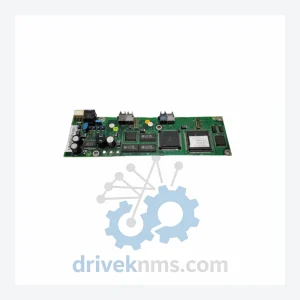
ABB NAMC-11C
ABB NAMC-11C is listed for Controller Cards RFQ review. Confirm quantity, condition and destination before quotation.
RFQ-ready industrial model
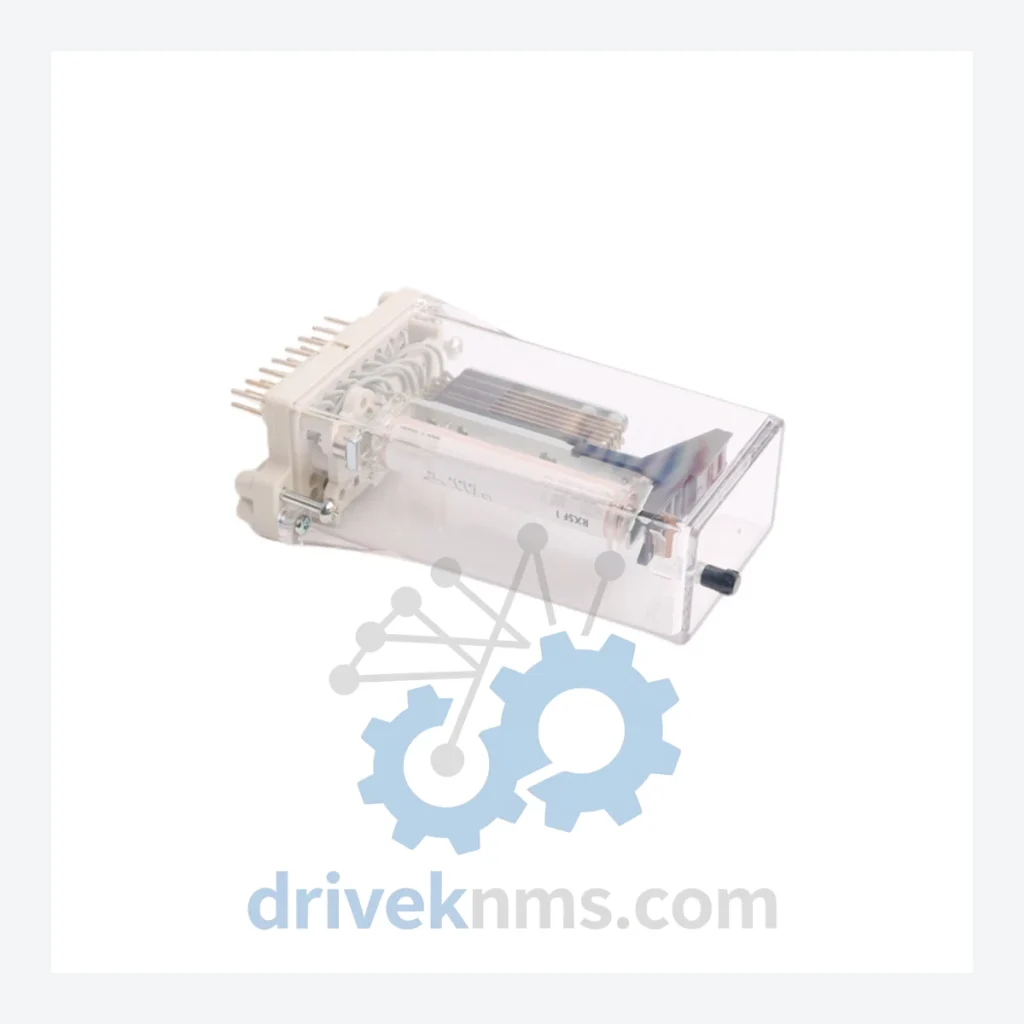
Model: RXSF1
Product Overview
Commercial availability is handled through direct RFQ, model verification and export-oriented follow-up rather than public cart checkout.
Datasheet Preview
Use attached product manuals when available. If the manual is not public yet, request the full file directly through RFQ.
Commercial Path
Product pages on DRIVEKNMS are designed to verify model, brand and series first, then move the buyer into one clean quotation path.
Technical Dossier
The ABB RXSF series comprises a family of miniature signal relays engineered for high-density switching applications in industrial control systems. These relays are deployed across critical infrastructure sectors including petrochemical processing plants, nuclear power generation facilities, offshore oil and gas platforms, and continuous-process refineries. The RXSF series occupies a well-established position in ABB's relay portfolio, designed to interface directly with programmable logic controllers (PLCs), distributed control systems (DCS), and safety instrumented systems (SIS). Their compact form factor, low coil power consumption, and high contact reliability make them a standard specification component in both greenfield installations and brownfield retrofit projects globally.
The series is particularly prevalent in installations running ABB's own Advant, Symphony Plus, and 800xA control architectures, where signal conditioning and galvanic isolation between field devices and control logic are mandatory requirements. Long production runs and broad OEM adoption have made RXSF components a staple in maintenance, repair, and operations (MRO) inventories at major industrial facilities worldwide.
The RXSF series traces its design lineage to ABB's (formerly ASEA and BBC Brown Boveri) mid-20th century relay engineering programs. Early iterations were developed to meet the switching and isolation demands of analog instrumentation loops operating at 4–20 mA and 0–10 V signal standards. As industrial control migrated from relay logic panels to microprocessor-based PLCs through the 1980s and 1990s, the RXSF series was progressively refined to address lower coil voltages, reduced contact bounce, and improved EMC compliance under IEC 60255 and EN 50205 standards.
The following SKUs represent the core and extended RXSF series range. Each entry reflects a distinct electrical specification or mechanical configuration. All models share the RXSF platform's common footprint and socket compatibility unless noted.
RXSF1: 1-pole changeover (CO) signal relay, 24 V DC coil, 6 A contact rating, standard socket mount.
RXSF2: 2-pole changeover signal relay, 24 V DC coil, 6 A per pole, dual-circuit switching.
RXSF4: 4-pole changeover signal relay, 24 V DC coil, 6 A per pole, high-density I/O marshalling.
RXSF1-24VDC: RXSF1 variant with factory-coded 24 V DC coil designation for procurement clarity.
RXSF1-48VDC: 1-pole CO relay, 48 V DC coil, for telecom and substation auxiliary circuits.
RXSF1-110VDC: 1-pole CO relay, 110 V DC coil, for battery-backed substation control panels.
RXSF1-220VDC: 1-pole CO relay, 220 V DC coil, high-voltage DC bus applications.
RXSF1-24VAC: 1-pole CO relay, 24 V AC coil, for AC control circuits in legacy panel designs.
RXSF1-110VAC: 1-pole CO relay, 110 V AC coil, standard AC auxiliary relay applications.
RXSF1-230VAC: 1-pole CO relay, 230 V AC coil, European mains-voltage control circuits.
RXSF2-24VDC: 2-pole CO, 24 V DC, dual-channel isolation for redundant signal paths.
RXSF2-110VAC: 2-pole CO, 110 V AC coil, dual-circuit AC switching in MCC panels.
RXSF4-24VDC: 4-pole CO, 24 V DC, maximum contact density per socket position.
RXSF4-110VAC: 4-pole CO, 110 V AC coil, multi-circuit AC control in relay panels.
RXSF1L: RXSF1 with integrated LED coil status indicator, 24 V DC, for visual diagnostics.
RXSF1T: RXSF1 with built-in test button for in-situ contact verification without energizing coil.
RXSF2L: 2-pole CO with LED indicator, 24 V DC, dual-circuit with visual status feedback.
RXSF4L: 4-pole CO with LED indicator, 24 V DC, high-density panel with status visibility.
The RXSF series presents specific quality verification challenges due to its miniature contact geometry and socket-dependent electrical path integrity. DriveKNMS applies the following test protocol to all RXSF units processed through our facility:
Coil Resistance Verification: DC resistance measured against ABB factory specification ±5% tolerance using calibrated Kelvin bridge measurement.
Pick-up and Drop-out Voltage Test: Coil energization swept from 0 V to rated voltage to confirm operate threshold; de-energization sweep confirms release voltage within spec.
Contact Resistance Measurement: Each contact pole measured at 1 A DC using four-wire milliohm measurement; acceptance criterion <100 mΩ for new units, <200 mΩ for refurbished.
Insulation Resistance Test: 500 V DC applied between coil circuit and contact circuit; minimum 100 MΩ acceptance threshold per IEC 60255-1.
Dielectric Withstand (Hi-Pot): 1500 V AC applied for 1 minute across open contacts and between coil/contact isolation barrier.
Mechanical Operation Count: Automated cycling test to verify contact bounce characteristics and mechanical integrity.
Socket Compatibility Check: Physical fit verification against RXMVB2 and RXMVB4 socket bases to confirm terminal engagement geometry.
Continue The Model Path
Move from this exact model into the matching system hub, brand archive, model-family archive or lifecycle sourcing route before sending a final RFQ list.
Related Paths
ABB NAMC-11C is listed for Controller Cards RFQ review. Confirm quantity, condition and destination before quotation.
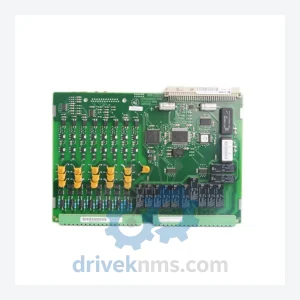
ABB LZ02 is listed for H&B Contronic LZ Series RFQ review. Confirm quantity, condition and destination before quotation.
ABB LL02 is listed for Controller Cards RFQ review. Confirm quantity, condition and destination before quotation.