
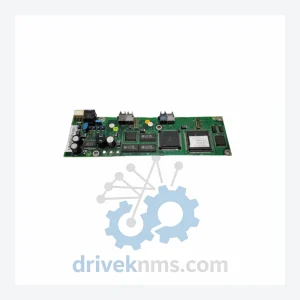
ABB NAMC-11C
ABB NAMC-11C is listed for Controller Cards RFQ review. Confirm quantity, condition and destination before quotation.
RFQ-ready industrial model
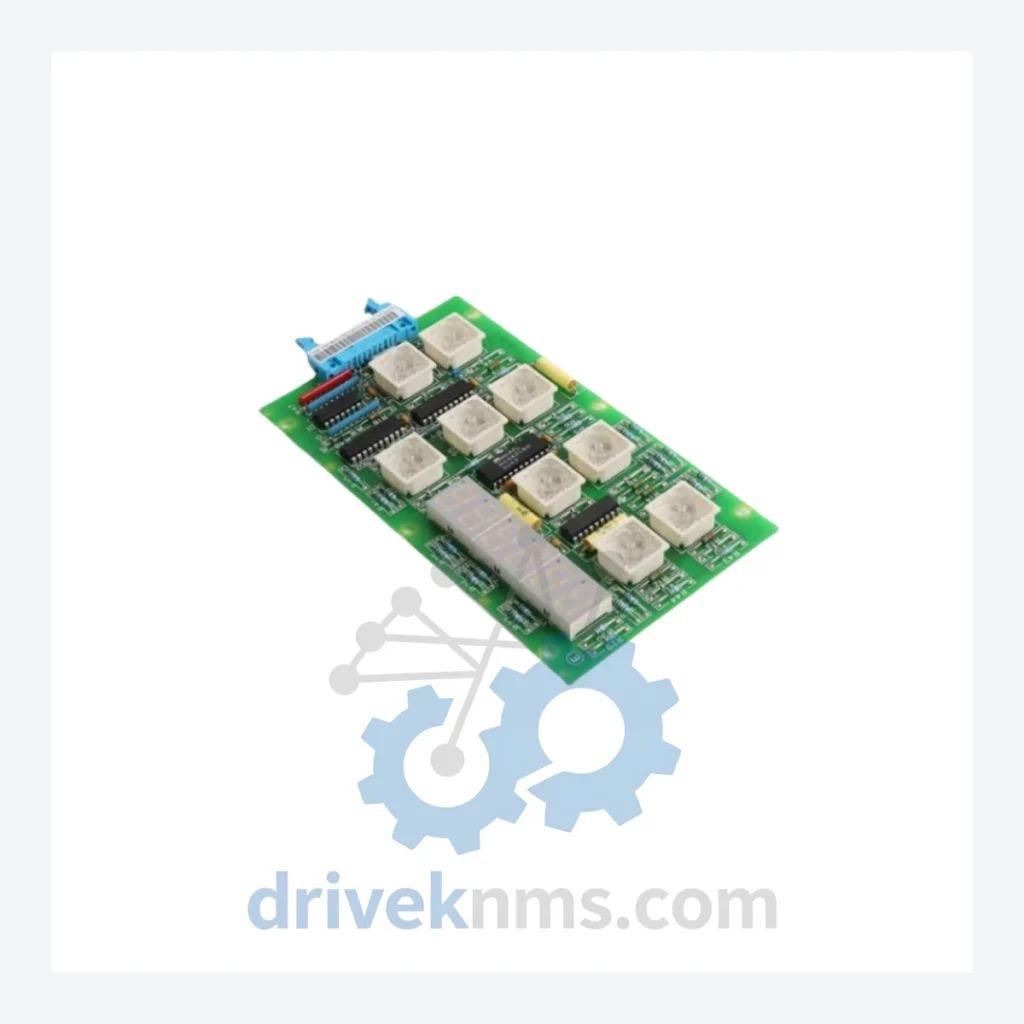
Model: SAFT151 CPD
Product Overview
Commercial availability is handled through direct RFQ, model verification and export-oriented follow-up rather than public cart checkout.
Datasheet Preview
Use attached product manuals when available. If the manual is not public yet, request the full file directly through RFQ.
Commercial Path
Product pages on DRIVEKNMS are designed to verify model, brand and series first, then move the buyer into one clean quotation path.
Technical Dossier
The ABB SAFT151 series represents a core control board platform deployed across ABB's ACS and DCS medium-voltage and low-voltage drive families, including the ACS600, ACS800, and DCS600 product lines. These boards are installed in heavy industrial environments globally — petrochemical refineries, nuclear auxiliary systems, pulp and paper mills, offshore platforms, and steel rolling mills. The SAFT151 platform handles drive control logic, pulse encoder feedback, field bus communication, and operator interface functions. Its modular architecture allows field replacement of individual boards without full drive replacement, making it a critical spare parts category for plant maintenance engineers and OEM service teams.
The SAFT151 board family was introduced as part of ABB's second-generation drive control platform in the early 1990s, succeeding the SAFT110 and SAFT120 series. The original SAFT151 architecture used a dedicated DSP core for motor control algorithms, with parallel I/O buses connecting to power stage interface boards (AINT, BINT). Early revisions (Rev A–C) used through-hole component construction; later revisions (Rev D onward) transitioned to surface-mount technology, improving vibration resistance and thermal cycling performance.
By the mid-2000s, ABB began migrating new drive designs to the RMIO and RDCO platform (used in ACS800 and later ACS880), which replaced the SAFT151 as the primary control board. However, the installed base of ACS600 and DCS600 drives — numbering in the hundreds of thousands of units globally — ensures continued demand for SAFT151 series boards through at least 2035. ABB's official spare parts support for the ACS600 platform entered extended lifecycle status in 2018, meaning new production of SAFT151 boards is limited and sourcing increasingly depends on certified aftermarket suppliers. Compatibility between SAFT151 board revisions must be verified against drive firmware version and IGBT gate driver board type before installation.
The following SKUs represent the verified SAFT151 series module range. Each entry reflects a distinct hardware function within the drive control architecture.
SAFT151 CPD: Control and Parameter Display board; operator interface with keypad and LCD for ACS600/DCS600 drives.
SAFT151 BSM: Brake and Sequence Module; manages mechanical brake control logic and sequencing outputs.
SAFT151 AMC: Adaptive Motor Control board; executes DTC (Direct Torque Control) algorithms for ACS600 series.
SAFT151 IOB: I/O Extension Board; provides additional analog and digital I/O channels for process integration.
SAFT151 PLC: Programmable Logic Controller interface board; enables ladder logic execution within the drive.
SAFT151 COM: Communication Adapter board; supports PROFIBUS-DP, Modbus RTU, and DeviceNet fieldbus protocols.
SAFT151 ENC: Encoder Interface Board; processes incremental and absolute encoder signals for closed-loop speed control.
SAFT151 PSU: Internal Power Supply Unit board; generates regulated 5V, 15V, and 24V rails for control electronics.
SAFT151 FLT: Fault Logger and Diagnostics Board; stores fault history and provides serial diagnostic output.
SAFT151 GDU: Gate Driver Unit interface board; transmits firing pulses to IGBT/thyristor power modules.
SAFT151 SYN: Synchronization Board; manages phase synchronization for regenerative and multi-drive configurations.
SAFT151 TMP: Temperature Monitoring Board; reads NTC/PTC thermistor inputs from motor and heatsink sensors.
SAFT151 AIO: Analog I/O Expansion Board; adds ±10V and 4–20mA signal channels for process reference inputs.
SAFT151 DIO: Digital I/O Expansion Board; provides 24VDC isolated digital inputs and relay outputs.
SAFT151 MEM: Memory and Parameter Storage Board; retains drive parameter sets and application macros in non-volatile memory.
Continue The Model Path
Move from this exact model into the matching system hub, brand archive, model-family archive or lifecycle sourcing route before sending a final RFQ list.
Related Paths
ABB NAMC-11C is listed for Controller Cards RFQ review. Confirm quantity, condition and destination before quotation.
ABB LL02 is listed for Controller Cards RFQ review. Confirm quantity, condition and destination before quotation.
ABB LZ02 is listed for H&B Contronic LZ Series RFQ review. Confirm quantity, condition and destination before quotation.