
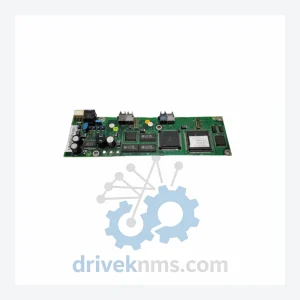
ABB NAMC-11C
ABB NAMC-11C is listed for Controller Cards RFQ review. Confirm quantity, condition and destination before quotation.
RFQ-ready industrial model
Model: SAFT167APC SAFT 167 APC
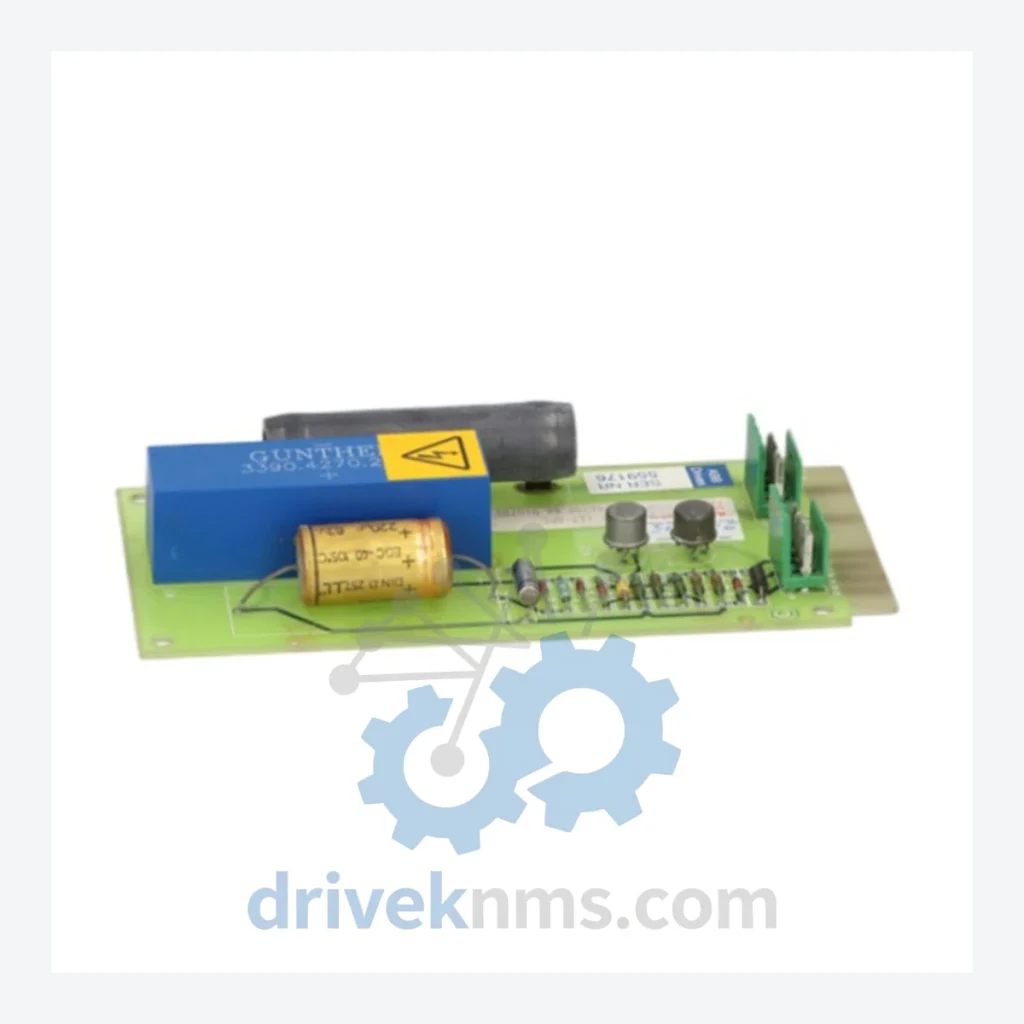
Product Overview
Commercial availability is handled through direct RFQ, model verification and export-oriented follow-up rather than public cart checkout.
Datasheet Preview
Use attached product manuals when available. If the manual is not public yet, request the full file directly through RFQ.
Commercial Path
Product pages on DRIVEKNMS are designed to verify model, brand and series first, then move the buyer into one clean quotation path.
Technical Dossier
The ABB SAFT167 series represents a critical family of power connection and control interface boards engineered for ABB's DCS 500 and DCS 600 DC drive platforms. These boards are deployed across global heavy industry sectors including petrochemical refineries, nuclear power auxiliary systems, steel rolling mills, pulp and paper plants, and offshore oil platforms. The SAFT167 family handles power connection, firing pulse distribution, and interface logic between the main control board and the power bridge — making it a non-negotiable component in any long-term drive maintenance program. Installed base across these industries spans several decades, with many sites still operating original hardware under extended lifecycle support agreements.
The SAFT167 board family was introduced as part of ABB's modular DC drive architecture in the late 1980s and matured through the 1990s alongside the DCS 500B and DCS 600 platforms. Early revisions focused on analog firing pulse generation and basic power interface logic. Subsequent hardware revisions introduced improved EMC shielding, enhanced optocoupler isolation for gate drive signals, and revised connector layouts to accommodate higher current bridge configurations.
The SAFT167APC variant specifically addresses power connection interface functions — managing the physical and electrical bridge between the control electronics and the thyristor power stack. Compatibility spans DCS 500B (45A–2000A) and DCS 600 (up to 5200A) converter frames. Engineers maintaining legacy installations must verify board revision codes, as connector pinouts and firmware handshake protocols differ between early (REV A–C) and later (REV D+) hardware generations. The modern replacement path leads toward ABB's ACS800 and ACS880 platforms, but direct drop-in substitution is not possible — making original SAFT167 series boards essential for sites unwilling or unable to undertake full drive replacement projects.
The following SKUs represent verified, commonly stocked components within the ABB SAFT167 and closely related SDCS/SAFT board ecosystem used in DCS 500 and DCS 600 drive systems. Each entry reflects a distinct functional role within the drive architecture.
SAFT167APC: Power connection interface board II for DCS 500/600 thyristor bridge firing circuits.
SAFT167CHC: Current and heat sink temperature monitoring interface board for DCS 500B converters.
SAFT167CPB: Control pulse buffer board; conditions and distributes gate firing pulses to thyristor stacks.
SAFT167FIC: Field current interface board; manages field excitation control signals in DCS 600 drives.
SAFT167GPC: Gate pulse conditioning board for high-current (≥1000A) DCS 600 converter frames.
SAFT167MBC: Main bridge control interface; coordinates firing angle commands between SDCS-CON and power stack.
SAFT167PAC: Power auxiliary control board; handles auxiliary power supply monitoring and fault relay logic.
SAFT167PBC: Power bridge connection board; primary thyristor gate drive distribution for 6-pulse bridges.
SAFT167RLC: Relay logic and contactor control interface board for DCS 500B main contactor sequences.
SAFT167SPC: Snubber and protection circuit interface board; integrates RC snubber monitoring into drive diagnostics.
SDCS-CON-2: Main control board for DCS 500B; executes speed/current regulation and firing angle calculation.
SDCS-CON-3: Enhanced control board for DCS 600; supports fieldbus and advanced adaptive control algorithms.
SDCS-IOB-3: I/O extension board; adds analog and digital I/O channels to DCS 500/600 control architecture.
SDCS-PIN-205: Power interface board for 205A DCS 500B converter frame; integrates with SAFT167 firing boards.
SDCS-PIN-48: Power interface board for 48A DCS 500B frame; compact thyristor gate drive and feedback interface.
SDCS-FEX-2: Field excitation board for DCS 600; provides regulated DC field supply up to 16A.
SDCS-AMC-DC-1: Adaptive motor control board; implements flux optimization and thermal model for DC motors.
SAFT188CPD: Pulse distribution board for 12-pulse DCS 600 configurations; synchronizes dual bridge firing.
Each SAFT167 series board processed by DriveKNMS undergoes a structured inspection and functional verification protocol before dispatch. The procedure addresses the specific failure modes common to this board family: degraded optocoupler isolation (measured via Hi-Pot testing at 1500V AC), electrolytic capacitor ESR drift (measured with LCR meter at 100Hz and 1kHz), PCB track corrosion at power connector interfaces, and gate pulse output timing verification using a calibrated oscilloscope against ABB factory timing specifications.
Continue The Model Path
Move from this exact model into the matching system hub, brand archive, model-family archive or lifecycle sourcing route before sending a final RFQ list.
Related Paths
ABB NAMC-11C is listed for Controller Cards RFQ review. Confirm quantity, condition and destination before quotation.
ABB LL02 is listed for Controller Cards RFQ review. Confirm quantity, condition and destination before quotation.
ABB LZ02 is listed for H&B Contronic LZ Series RFQ review. Confirm quantity, condition and destination before quotation.