
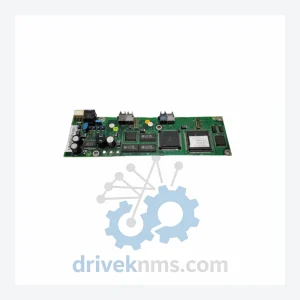
ABB NAMC-11C
ABB NAMC-11C is listed for Controller Cards RFQ review. Confirm quantity, condition and destination before quotation.
RFQ-ready industrial model
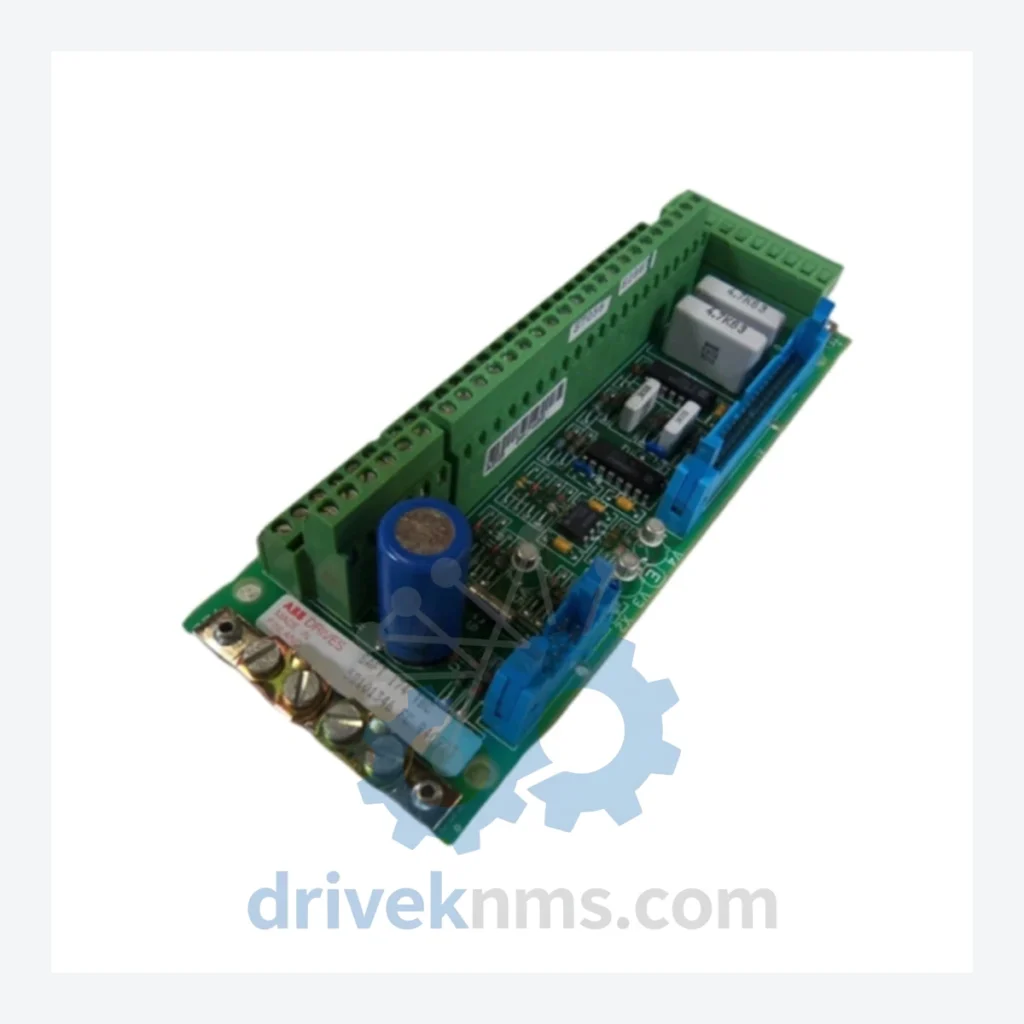
Model: SAFT174TBC SAFT 174 TBC
Product Overview
Commercial availability is handled through direct RFQ, model verification and export-oriented follow-up rather than public cart checkout.
Datasheet Preview
Use attached product manuals when available. If the manual is not public yet, request the full file directly through RFQ.
Commercial Path
Product pages on DRIVEKNMS are designed to verify model, brand and series first, then move the buyer into one clean quotation path.
Technical Dossier
The ABB SAFT 174 series comprises control and interface boards engineered for ABB's industrial AC and DC drive platforms, including the ACS 600, ACS 800, and legacy DCS 400/600 drive families. These boards are deployed across global heavy industry sectors — petrochemical refineries, nuclear auxiliary systems, pulp and paper mills, cement plants, and offshore platforms — where drive uptime is non-negotiable. The SAFT 174 series functions as the signal conditioning, terminal interface, and I/O expansion layer between the main drive control board and field wiring. Its modular architecture allows targeted replacement without full drive overhaul, making it a critical spare parts category for maintenance engineers managing aging ABB drive fleets.
The SAFT 174 designation originates from ABB's SAFT (Signal and Analog Function Technology) board naming convention, developed in the late 1980s and standardized through the 1990s across the ACS/DCS drive generations. Early variants such as the SAFT174TBC were designed as passive terminal block carrier boards, providing screw-terminal field wiring access points for analog and digital I/O signals routed from the main SDCS or NAMC control boards. As ABB transitioned drive architectures from SAFT-era hardware to the RMIO and RDCO board families in the ACS 800 generation, the SAFT 174 series entered a maintenance-phase lifecycle. Compatibility between SAFT 174 boards and newer drive firmware is limited; these boards are not forward-compatible with ACS 880 or ACS 580 platforms. For sites still operating ACS 600 or DCS 600 drives, the SAFT 174 series remains the only direct replacement option. No modern substitute replicates the exact connector footprint and signal routing of these boards without drive-level hardware modification.
The following SKUs represent confirmed models within the ABB SAFT 174 series and associated SAFT-generation interface boards used in the same drive platforms. Each model is listed with its primary functional role:
SAFT174TBC: Terminal block carrier board for field I/O wiring termination on ACS/DCS drives.
SAFT174PAC: Power supply and analog conditioning board for SAFT-series drive control systems.
SAFT174CIO: Combined I/O expansion board providing additional digital and analog channels.
SAFT174AIO: Analog I/O interface board for process signal conditioning and scaling.
SAFT174DIO: Digital I/O board for discrete signal interfacing in drive control loops.
SAFT175TBC: Successor terminal block board with revised connector layout for ACS 600 retrofit.
SAFT176TBC: Extended terminal block board variant with higher channel density.
SAFT188: Fiber optic interface board for SAFT-era drive communication links.
SAFT189: Encoder interface and pulse tachometer input board for speed feedback.
SAFT190: Resolver interface board for high-accuracy motor shaft position feedback.
SAFT193: Fieldbus adapter interface board for SAFT-generation drive communication.
SAFT194: Profibus DP communication adapter for ACS 600 / DCS 600 drive series.
SAFT196: DeviceNet communication interface board for SAFT-platform drives.
SAFT197: Modbus RTU communication board for legacy ABB drive serial integration.
SAFT198: CANopen interface board for SAFT-series drive network connectivity.
SAFT199: Interbus-S communication adapter for SAFT-generation drive systems.
SAFT201: Auxiliary power supply board for SAFT-era control electronics.
SAFT202: Gate driver interface board for IGBT/GTO power module control in ACS drives.
Continue The Model Path
Move from this exact model into the matching system hub, brand archive, model-family archive or lifecycle sourcing route before sending a final RFQ list.
Related Paths
ABB NAMC-11C is listed for Controller Cards RFQ review. Confirm quantity, condition and destination before quotation.
ABB LL02 is listed for Controller Cards RFQ review. Confirm quantity, condition and destination before quotation.
ABB LZ02 is listed for H&B Contronic LZ Series RFQ review. Confirm quantity, condition and destination before quotation.