Products / ABB / SAMI GS
ABB SAMI GS

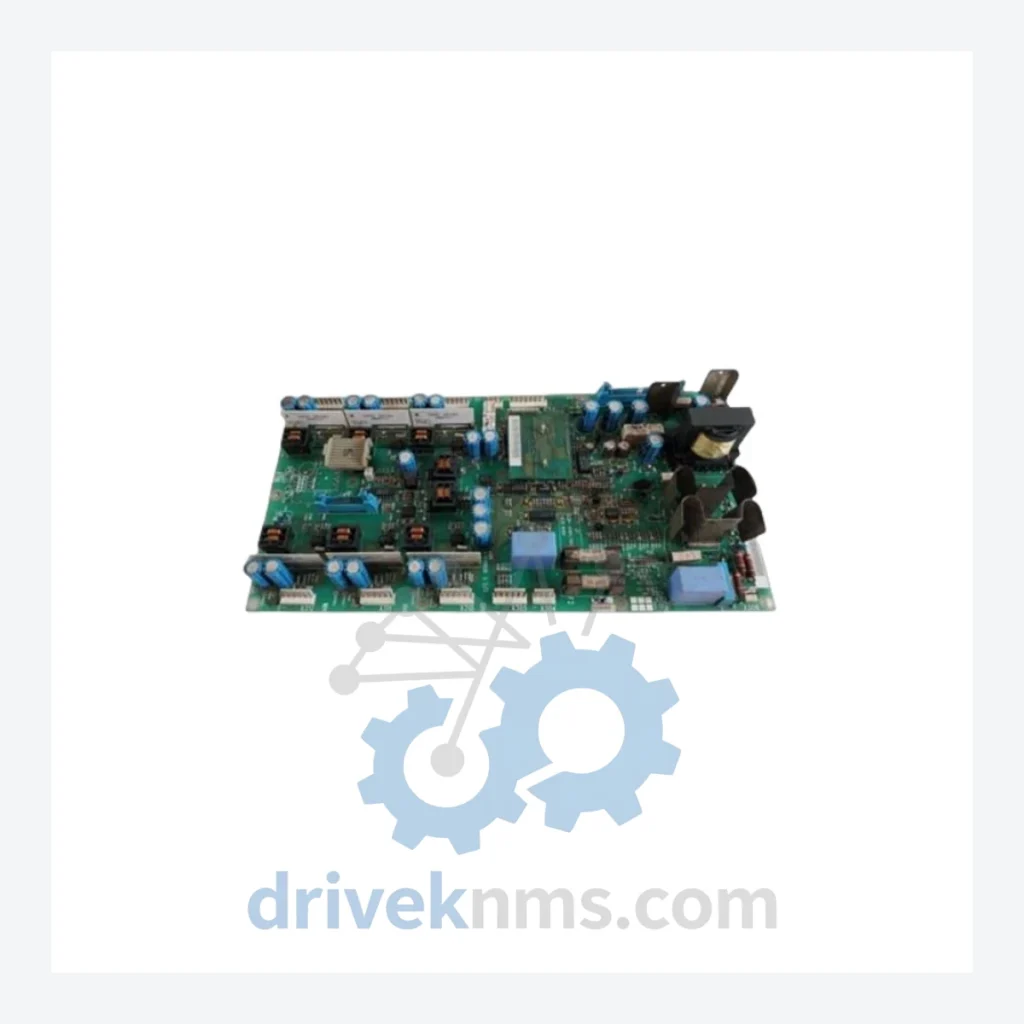
ABB SNAT7261INT 58422177S PC Board – Obsolete SAMI GS Spare Part

Model: SNAT7261INT 58422177S

Brand ABB
Series SAMI GS
Model SNAT7261INT 58422177S
RFQ-ready model route Obsolete and surplus sourcing Export follow-up by model list

Product Overview

Commercial availability is handled through direct RFQ, model verification and export-oriented follow-up rather than public cart checkout.

Datasheet Preview

Datasheet Preview

Use attached product manuals when available. If the manual is not public yet, request the full file directly through RFQ.

Request Full Manual

Commercial Path

Use This Page To Confirm The Model, Then Move To RFQ

Product pages on DRIVEKNMS are designed to verify model, brand and series first, then move the buyer into one clean quotation path.

Technical Dossier

Product Details And Specifications

ABB SNAT7261INT 58422177S PC Board – Obsolete SAMI GS Spare Part

When the SNAT7261INT board fails, the conversation in the maintenance room shifts immediately from "repair cost" to "replacement cost" — and that number is rarely comfortable. A full drive system upgrade on an ABB SAMI GS installation, including engineering, rewiring, recommissioning, and production downtime, routinely runs into six figures. The board itself is the last line of defense between a functioning asset and a capital expenditure that was never budgeted.

DriveKNMS holds verified stock of the ABB SNAT7261INT (58422177S). This is not a listing built on speculation. If you are reading this, the clock is already running.

Technical Specifications

Part Number SNAT7261INT
Serial / Revision Reference 58422177S
Description Interface / Internal PC Board
Compatible Drive Series ABB SAMI GS (AC Variable Speed Drive)
Manufacturer ABB (originally manufactured in Finland)
Product Status Discontinued / Obsolete – no longer in ABB active production
Condition Available New Old Stock (NOS) / Tested Refurbished
Country of Origin Finland

Note: Electrical parameters such as voltage ratings and signal specifications are board-revision dependent. We do not publish unverified figures. Contact us with your drive nameplate data for a compatibility confirmation before ordering.

Solving the Discontinued Hardware Crisis

The ABB SAMI GS drive series was a workhorse across water treatment, pulp and paper, mining, and heavy manufacturing installations throughout the 1990s and early 2000s. ABB has long since moved its AC drive portfolio forward, and the SAMI GS is no longer supported through standard distribution channels.

The SNAT7261INT board sits at the interface layer of the drive's control architecture. It handles internal signal routing between the control board and the power section. A fault here does not degrade performance gradually — it typically results in a hard drive trip or a complete loss of speed control. In a process-critical application, that means an unplanned line stop.

Facilities that have not pre-positioned a spare board face a procurement timeline measured in weeks or months, not days. The secondary market for SAMI GS components has thinned considerably. Each year, fewer units surface from decommissioned plants. The window for sourcing genuine ABB boards at a rational price is narrowing.

For plant managers weighing the cost of a spare board against the cost of a system upgrade: the board wins on every financial metric, provided it can be sourced. That is the problem DriveKNMS exists to solve.

Extending Asset Life 5–10 Years: A Maintenance Strategy for Legacy Drive Systems

The decision to retire a functioning drive system is rarely driven by the drive itself. It is driven by the inability to source parts. Facilities that build a structured spare parts position around their legacy ABB SAMI GS installations routinely extend operational life by five to ten years beyond what the OEM's support calendar would suggest is possible.

The following approach is used by maintenance teams that manage this successfully:

1. Identify the failure-critical boards first. Not every board in a drive carries equal risk. The interface and control boards — including the SNAT7261INT — are the components most likely to cause a full drive outage when they fail. These are the boards that warrant a dedicated spare, not a shared pool.

2. Establish a minimum stock position before the next planned shutdown. Sourcing obsolete boards during an unplanned outage is the most expensive way to do it. Lead times are unpredictable, and expedite premiums are real. A board purchased during a planned maintenance window costs a fraction of what the same board costs when the line is down.

3. Store boards correctly. Electrostatic discharge and humidity are the primary causes of shelf degradation in legacy PC boards. Anti-static packaging, controlled humidity storage (below 60% RH), and annual visual inspection are minimum requirements for a board that may sit in inventory for several years.

4. Document firmware and configuration data now. For drives with configurable parameters, the configuration data stored in the control system is as valuable as the hardware. A board replacement without the correct parameter set can result in a recommissioning exercise that costs more than the board itself. Back up parameter data at every planned maintenance interval.

5. Treat the spare board as a capital asset, not a consumable. A verified spare SNAT7261INT board, properly stored, protects a drive asset that may represent $50,000–$200,000 in replacement value. The accounting treatment should reflect that.

Condition & Reliability Assurance

Sourcing an obsolete board from the secondary market carries legitimate risk. DriveKNMS applies a five-step inspection protocol to every board before it is offered for sale.

Step 1 – Visual Inspection: Full board examination under magnification. Pin corrosion, solder joint cracking, and PCB delamination are disqualifying conditions. Boards with any of these defects are not listed.

Step 2 – Electrolytic Capacitor Assessment: Electrolytic capacitors are the component most likely to have degraded on a board manufactured in the 1990s or early 2000s. We assess capacitor condition visually and, where test equipment permits, by capacitance measurement. Boards with visibly bulged, vented, or leaking capacitors are rejected outright.

Step 3 – Firmware / Revision Verification: Where the board carries a firmware revision marking or EPROM, we verify and document the revision level. This information is provided to the buyer to confirm compatibility with their specific drive configuration.

Step 4 – Connector and Pin Integrity Check: All edge connectors and pin headers are inspected for oxidation, bending, and mechanical damage. Connector integrity is a common failure point on boards that have been removed and reinstalled multiple times.

Step 5 – Functional Test (where applicable): Boards that can be tested on a compatible drive or test bench are powered up and observed for fault-free operation. Test results are documented and available on request.

Boards that pass all five steps are listed as Tested Refurbished. Boards in original, unopened packaging are listed as New Old Stock (NOS) and are not subjected to destructive testing unless specifically requested.

Key Features for System Maintenance

Drop-in replacement. The SNAT7261INT installs into the same slot and connector position as the original board. No mechanical modification to the drive cabinet is required.

No reprogramming required. Drive parameters are stored in the control board, not the interface board. Replacing the SNAT7261INT does not require a parameter reload or recommissioning procedure in standard configurations. Verify with your drive documentation before installation.

No engineering redesign. A board-level replacement keeps the existing drive, motor, and process control wiring intact. There is no signal re-mapping, no PLC I/O reconfiguration, and no process revalidation. The cost difference between a board replacement and a drive system upgrade is not marginal — it is structural.

Immediate dispatch. Stock on hand ships within one business day of order confirmation. We do not list items we cannot ship.

FAQ

What warranty applies to an obsolete board?
DriveKNMS provides a 90-day warranty against defects in the board as supplied. This covers failure attributable to the board itself under normal operating conditions. It does not cover damage resulting from incorrect installation, drive faults, or power supply anomalies. Extended warranty arrangements are available — contact us to discuss.

How do I know the board is genuine ABB?
Every board we supply carries the original ABB part markings, PCB silk-screen identifiers, and revision codes. We do not supply counterfeit or third-party manufactured substitutes. If you require photographic documentation of the specific board before purchase, we provide it as standard practice for obsolete parts orders.

Should I buy more than one?
If you operate more than one SAMI GS drive, the answer is yes. The secondary market supply of SNAT7261INT boards is finite and declining. A second board purchased today is insurance against a sourcing failure that may be unresolvable in two or three years. The cost of a second board is a fraction of the cost of a single unplanned outage.

Can you source other SAMI GS boards?
Yes. DriveKNMS specializes in the full range of ABB legacy drive components. If you have a broader spare parts requirement for your SAMI GS installation, contact us with your full parts list and we will advise on availability.

WhatsApp Prefilled Inquiry Email [email protected] Phone +86 18359293191 Top Back To Top