
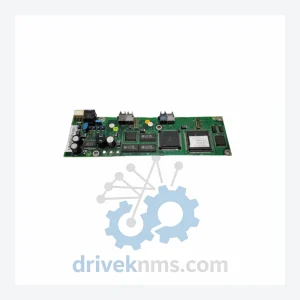
ABB NAMC-11C
ABB NAMC-11C is listed for Controller Cards RFQ review. Confirm quantity, condition and destination before quotation.
RFQ-ready industrial model
Model: ZINT-571 3AUA0000077333
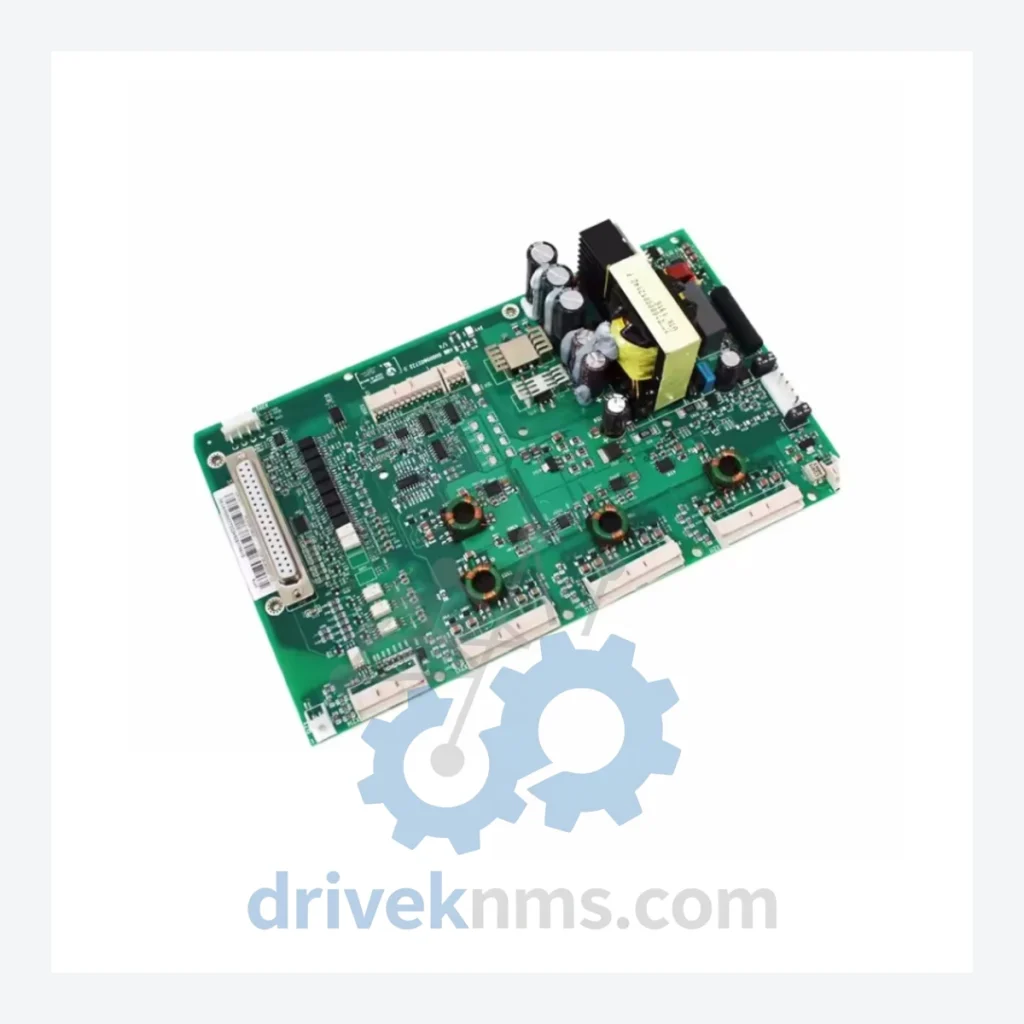
Product Overview
Commercial availability is handled through direct RFQ, model verification and export-oriented follow-up rather than public cart checkout.
Datasheet Preview
Use attached product manuals when available. If the manual is not public yet, request the full file directly through RFQ.
Commercial Path
Product pages on DRIVEKNMS are designed to verify model, brand and series first, then move the buyer into one clean quotation path.
Technical Dossier
RFQ support for obsolete parts: Send the model number, required quantity and destination so DriveKNMS can confirm sourcing options before quotation.
Note: Electrical parameters specific to individual drive frame sizes are not published here to prevent misapplication. Please confirm your ACS800 frame size and firmware revision with our technical team before ordering.
The ZINT-571 board is not an isolated component. It sits within a control architecture that plant engineers spent years tuning — PID loops calibrated to specific process dynamics, motor parameters mapped to actual load curves, safety interlocks integrated with plant-wide SCADA. Replacing the ACS800 drive with a current-generation unit does not transfer that configuration automatically. It requires re-engineering. That re-engineering carries cost, risk, and the very real possibility of introducing new failure modes into a process that was previously stable.
Maintaining the existing ACS800 installation with verified spare boards is not a compromise. It is the lower-risk, lower-cost path — provided the spare parts are genuine and properly tested. That is the specific problem DriveKNMS exists to solve.
For plant managers facing pressure to modernize aging automation assets, the business case for a targeted spares strategy is straightforward: a verified ZINT-571 board at a fraction of the cost of drive replacement buys 5 to 10 additional years of stable operation from an asset that is already fully commissioned, fully tuned, and fully integrated into your process.
Obsolete boards sourced from the secondary market carry real risk. Component aging, improper storage, and undisclosed prior damage are common. DriveKNMS applies a 5-step inspection protocol to every ZINT-571 unit before it leaves our facility:
Step 1 – Electrolytic Capacitor Assessment: Capacitors are the primary age-related failure point on power boards of this era. Each unit is inspected for bulging, electrolyte leakage, and ESR deviation from specification.
Step 2 – Firmware & EPROM Verification: Where applicable, onboard firmware versions are confirmed against known-good ACS800 compatibility matrices. Boards with corrupted or mismatched firmware are rejected.
Step 3 – Pin and Connector Inspection: All edge connectors and board-to-board interface pins are examined under magnification for oxidation, corrosion, and mechanical deformation. Affected contacts are treated or the unit is rejected.
Step 4 – Functional Power-On Test: Units are bench-tested under controlled conditions to verify basic power rail integrity and signal output behavior.
Step 5 – Anti-Static Packaging and Documentation: Each unit is packaged in ESD-safe materials with a condition report. Traceability documentation is provided on request.
The ZINT-571 3AUA0000077333 is a direct drop-in replacement for the original board position within the ACS800 drive chassis. Installation does not require drive re-parameterization, PLC program modification, or SCADA reconfiguration. The drive recognizes the replacement board through its existing hardware identification protocol.
This means your maintenance team can execute the replacement during a planned shutdown window — typically 2 to 4 hours — without involving the original system integrator, without a firmware upgrade project, and without the risk of configuration loss that accompanies a full drive swap. The engineering cost avoided is substantial. The production risk avoided is greater.
Continue The Model Path
Move from this exact model into the matching system hub, brand archive, model-family archive or lifecycle sourcing route before sending a final RFQ list.
Related Paths
ABB NAMC-11C is listed for Controller Cards RFQ review. Confirm quantity, condition and destination before quotation.
ABB LL02 is listed for Controller Cards RFQ review. Confirm quantity, condition and destination before quotation.
ABB LZ02 is listed for H&B Contronic LZ Series RFQ review. Confirm quantity, condition and destination before quotation.