
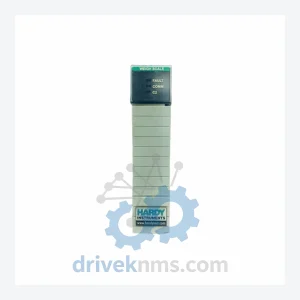
HARDY 1746-WS Weigh Scale Module – Obsolete SLC 500 Spare Part
Hardy Process Solutions 1746-WS is listed for SLC 500 RFQ review. Confirm quantity, condition and destination before quotation.
RFQ-ready industrial model
Model: 1746-NR8
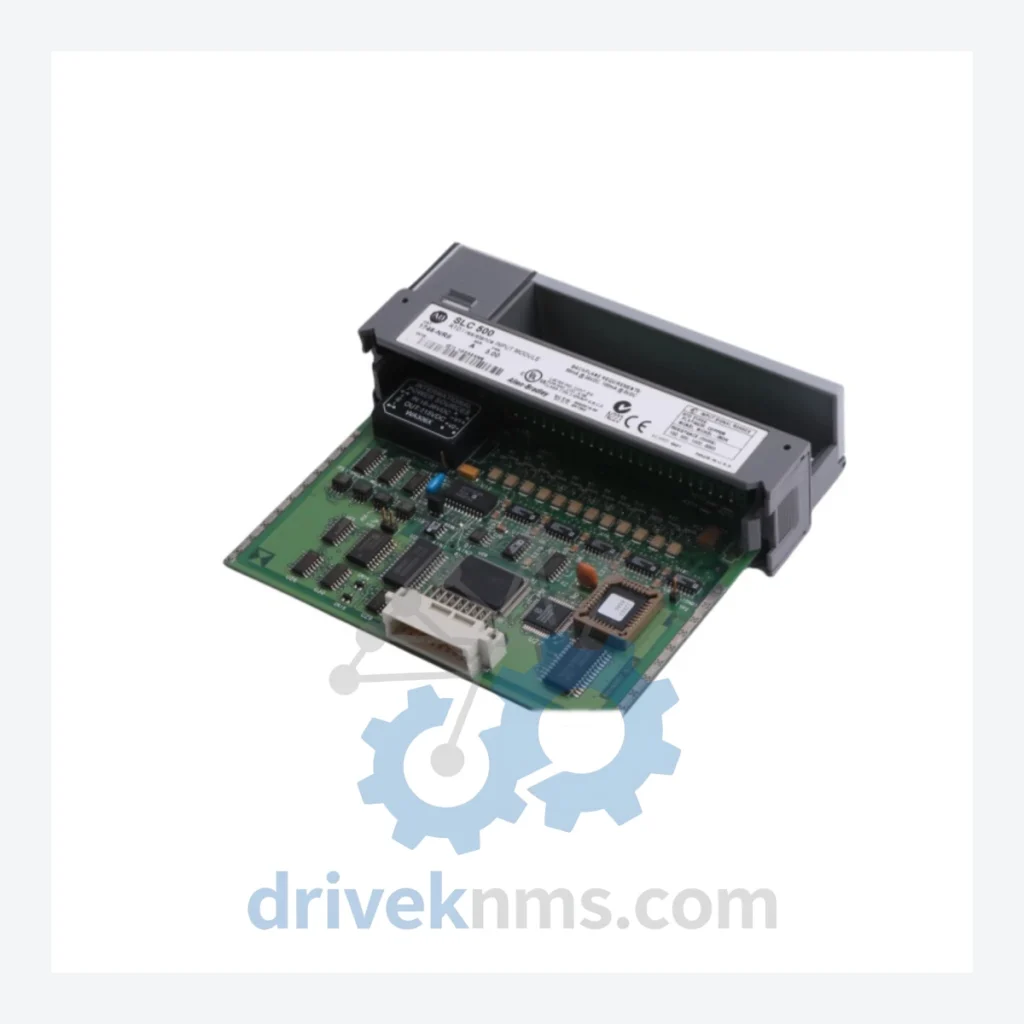
Product Overview
Commercial availability is handled through direct RFQ, model verification and export-oriented follow-up rather than public cart checkout.
Datasheet Preview
Use attached product manuals when available. If the manual is not public yet, request the full file directly through RFQ.
Commercial Path
Product pages on DRIVEKNMS are designed to verify model, brand and series first, then move the buyer into one clean quotation path.
Technical Dossier
RFQ support for obsolete parts: Send the model number, required quantity and destination so DriveKNMS can confirm sourcing options before quotation.
The SLC 500 platform was the backbone of North American discrete and process manufacturing for over two decades. Tens of thousands of SLC 500 racks remain in active service across food & beverage, water treatment, automotive, and pharmaceutical facilities. The 1746-NR8 occupies a specific and non-negotiable role in these systems: it is the sole interface between field-level temperature sensors (RTDs and thermocouples) and the SLC processor. There is no firmware patch, no software workaround, and no low-cost adapter that replicates its function within an existing SLC 500 rack without hardware replacement.
For plant engineering and operations leadership managing SLC 500 infrastructure, the question is not whether to eventually migrate — it is how to control the timing and cost of that migration on your terms, not the terms of an unplanned failure.
The following strategy has been applied successfully in facilities that have extended SLC 500 operational life by 5 to 10 years beyond the platform's official end-of-life date:
1. Critical Spare Identification: Conduct a rack-by-rack audit. Identify every module type in active use. Prioritize modules that interface with process-critical signals — analog I/O, thermocouple inputs, and communication adapters. The 1746-NR8 is consistently in the top tier of criticality for temperature-controlled processes.
4. Firmware and Configuration Documentation: Ensure all SLC processor programs and I/O configuration files are backed up and version-controlled. This eliminates the risk of configuration loss during an emergency module swap.
5. Vendor Qualification for Secondary Market Sourcing: Not all secondary market suppliers apply consistent quality controls to discontinued hardware. Establish a qualified vendor list for obsolete Rockwell Automation parts before an emergency forces a rushed procurement decision.
DriveKNMS applies a 5-step quality assurance process to all discontinued hardware before dispatch review:
Step 1 – Visual and Physical Inspection: Full examination of the module housing, terminal block, and backplane connector. Units with cracked housings, bent pins, or evidence of thermal damage are rejected at intake.
Step 2 – Electrolytic Capacitor Assessment: Aged electrolytic capacitors are a primary failure mode in hardware of this vintage. Each unit is assessed for capacitor condition; units showing evidence of bulging, leakage, or ESR deviation are flagged for component-level refurbishment before release.
Step 3 – Pin and Connector Integrity Check: Backplane connector pins are inspected for oxidation, corrosion, and mechanical deformation. Contact surfaces are cleaned and verified to specification.
Step 4 – Firmware Version Verification: Where applicable, firmware revision is documented and confirmed compatible with the target SLC 500 processor revision.
Units are shipped in anti-static packaging with condition documentation included.
Continue The Model Path
Move from this exact model into the matching system hub, brand archive, model-family archive or lifecycle sourcing route before sending a final RFQ list.
Related Paths
Hardy Process Solutions 1746-WS is listed for SLC 500 RFQ review. Confirm quantity, condition and destination before quotation.
ProSoft Technology 2150-AGA 1747-KE is listed for SLC 500 RFQ review. Confirm quantity, condition and destination before quotation.
ProSoft Technology MVI46-GSC is listed for SLC 500 RFQ review. Confirm quantity, condition and destination before quotation.