
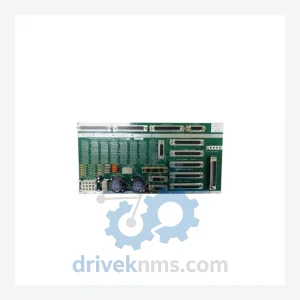
Applied Materials PCB ASSY Modules: 0100-01577
Applied Materials 0100-01577 is listed for Controller Cards RFQ review. Confirm quantity, condition and destination before quotation.
RFQ-ready industrial model
Model: 0020-18542 0010-02146 CLAMPLESS 17-08946-03 1181-000537-12, 118100053712 MC-31106A
Product Overview
Commercial availability is handled through direct RFQ, model verification and export-oriented follow-up rather than public cart checkout.
Datasheet Preview
Use attached product manuals when available. If the manual is not public yet, request the full file directly through RFQ.
Commercial Path
Product pages on DRIVEKNMS are designed to verify model, brand and series first, then move the buyer into one clean quotation path.
Technical Dossier
RFQ support for obsolete parts: Send the model number, required quantity and destination so DriveKNMS can confirm sourcing options before quotation.
Note: Electrical and dimensional parameters are not published here to prevent misapplication. Confirm compatibility against your tool's Bill of Materials (BOM) before ordering.
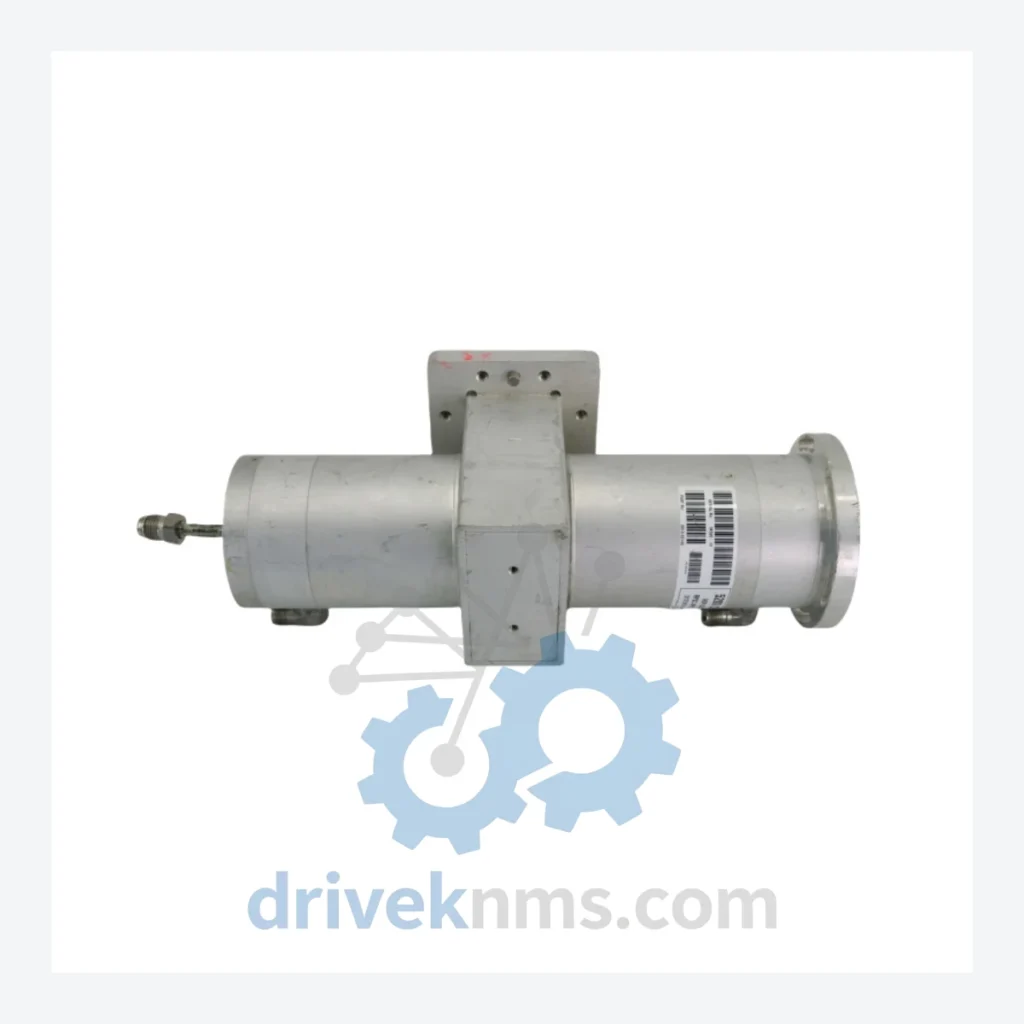
Applied Materials HDP-CVD tools have been workhorses of oxide deposition in logic and memory fabs for over two decades. The RPSC (Remote Plasma Source Controller) Applicator is a critical interface component within the chamber assembly. Its function — managing the coupling and delivery of high-density plasma energy to the process gas — is not replicable by a generic substitute. When AMAT discontinued support for this configuration, fabs operating legacy Centura or Producer HDP-CVD platforms were left with a hard choice: source the part on the secondary market, or commit to a tool retirement and the capital expenditure that follows.
The cost of tool retirement is rarely just the price of new equipment. It includes process requalification (typically 3–6 months), new recipe development, operator retraining, and the risk of yield excursions during the transition window. For a fab running 24/7 production, that transition window is never convenient. Facilities managers who have navigated this before understand that a single verified spare part — held in controlled storage — is the lowest-cost insurance policy available against this scenario.
The decision to retire a capital tool should be driven by process capability limits, not by parts availability. For fab managers facing pressure to decommission legacy HDP-CVD equipment, the following approach has proven effective in extending productive tool life without large capital commitments:
Q: How is condition confirmed before quotation?
A: Available condition, photos, test records and documentation are checked according to the requested model and sourcing channel before a formal RFQ response.
Q: How are RFQ terms confirmed?
A: Quantity, required condition, documentation needs, destination and sourcing route are confirmed during RFQ review before quotation.
Obsolete parts sourced from the secondary market carry inherent risk if the supplier does not apply rigorous inspection protocols. DriveKNMS applies a 5-step QA process to all HDP-CVD chamber components before dispatch review:
Step 3 – Firmware and Revision Verification: For assemblies with embedded firmware or revision-controlled sub-components, the revision level is documented and confirmed against known compatible tool configurations.
Step 4 – Contact and Pin Corrosion Inspection: All electrical connectors, pins, and contact surfaces are inspected under magnification for oxidation, pitting, and corrosion. Affected contacts are cleaned or the unit is rejected.
The 0020-18542 RPSC Applicator is a direct, drop-in replacement for the original AMAT-supplied component. Installation does not require process recipe modification, chamber requalification, or software changes in standard configurations. This is a critical distinction from alternative approaches such as chamber redesign or platform migration, which carry engineering costs measured in months and hundreds of thousands of dollars.
Q: Should I buy more than one unit?
A: For any HDP-CVD tool in active production, holding at least one spare RPSC Applicator is a minimum prudent position. Given the tightening secondary market availability of this specific part number, purchasing two units now — if budget allows — eliminates the sourcing risk entirely for the foreseeable operational life of the tool.
Continue The Model Path
Move from this exact model into the matching system hub, brand archive, model-family archive or lifecycle sourcing route before sending a final RFQ list.
Related Paths
Applied Materials 0100-01577 is listed for Controller Cards RFQ review. Confirm quantity, condition and destination before quotation.
Applied Materials 0200-06355 1220-01011 0242-02385 is listed for Controller Cards RFQ review. Confirm quantity, condition and destination before quotation.
Applied Materials 0010-00098 QDP40-QMB250/500 DLP240-24-1/EJ 0090-A3151 is listed for Controller Cards RFQ review. Confirm quantity, condition and destination before quotation.