

Applied Materials PCB ASSY Modules: 0100-01577
Applied Materials 0100-01577 is listed for Controller Cards RFQ review. Confirm quantity, condition and destination before quotation.
RFQ-ready industrial model
Model: 0020-23811 F940GOT-SBD-H AVB51V-X0007, 1D80-004538-11 ES1D80-004538-11
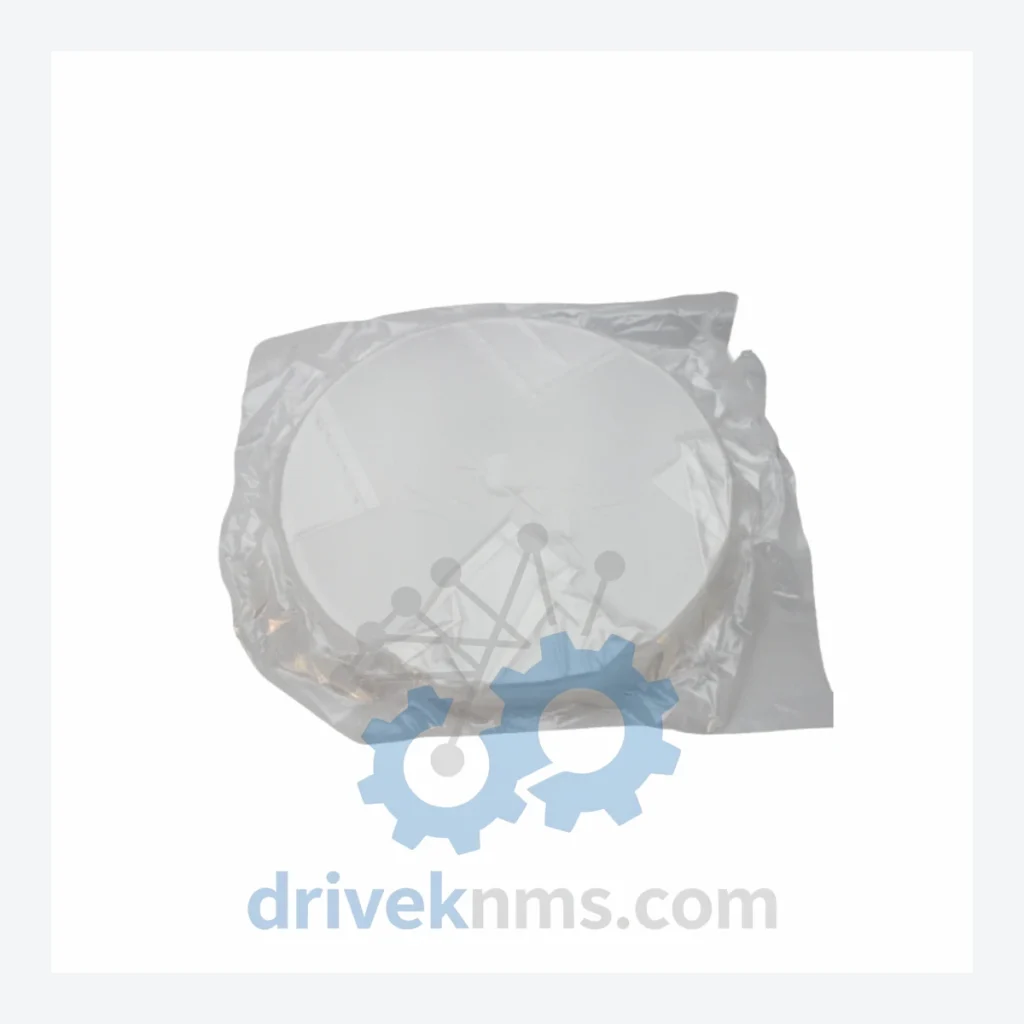
Product Overview
Commercial availability is handled through direct RFQ, model verification and export-oriented follow-up rather than public cart checkout.
Datasheet Preview
Use attached product manuals when available. If the manual is not public yet, request the full file directly through RFQ.
Commercial Path
Product pages on DRIVEKNMS are designed to verify model, brand and series first, then move the buyer into one clean quotation path.
Technical Dossier
The Applied Materials Honeycomb Collimator assembly is a precision optical and mechanical component deployed in physical vapor deposition (PVD) and chemical vapor deposition (CVD) process chambers across global semiconductor fabrication facilities. This component class is integral to ion beam uniformity control in Applied Materials Endura, Centura, and Producer platform systems. Installations span high-throughput fabs in the semiconductor, flat-panel display, and advanced packaging sectors, including facilities operating under ISO Class 1–3 cleanroom standards. The collimator's honeycomb cell geometry defines the angular distribution of sputtered or deposited material flux, directly governing film thickness uniformity and step coverage on wafer substrates. Given the precision tolerances involved — cell pitch typically in the range of 1–5 mm, aspect ratios of 1:1 to 3:1 — these components are subject to scheduled replacement intervals and are classified as consumable spare parts within Applied Materials' preventive maintenance (PM) programs.
Applied Materials introduced collimated PVD deposition in the early 1990s as a solution to the step coverage limitations of conventional magnetron sputtering at sub-0.5 µm design rules. The first-generation collimators were fabricated from stainless steel with electropolished surfaces to minimize particle generation. By the mid-1990s, titanium and aluminum alloy variants were introduced to reduce mass and improve thermal cycling compatibility with chamber hardware. The transition to 200 mm and subsequently 300 mm wafer platforms drove a corresponding scale-up in collimator diameter and a refinement of cell geometry tolerances. Part numbers in the 0020-XXXXX and 1D80-XXXXXX series reflect Applied Materials' internal engineering change order (ECO) revision system, where prefix codes denote the platform generation and chamber configuration. The F940GOT-SBD-H and AVB51V-X0007 designations correspond to vendor-specific sub-assembly codes used in the supply chain for optical and mechanical sub-components integrated into the collimator stack. As 300 mm fabs have matured and leading-edge nodes have migrated to EUV lithography, the Honeycomb Collimator series has entered a sustained maintenance phase: new unit production has slowed, but installed base demand for replacement parts remains high across legacy and mature-node fabs running 28 nm to 90 nm processes.
The following SKUs represent verified part numbers within the Applied Materials Honeycomb Collimator and associated PVD chamber hardware catalog. Parts are classified by functional role within the process chamber assembly.
Collimator Assemblies & Sub-Assemblies
Optical & Beam-Shaping Components
Chamber Interface & Mounting Hardware
Continue The Model Path
Move from this exact model into the matching system hub, brand archive, model-family archive or lifecycle sourcing route before sending a final RFQ list.
Related Paths
Applied Materials 0100-01577 is listed for Controller Cards RFQ review. Confirm quantity, condition and destination before quotation.

Applied Materials 0200-06355 1220-01011 0242-02385 is listed for Controller Cards RFQ review. Confirm quantity, condition and destination before quotation.
Applied Materials 0010-00098 QDP40-QMB250/500 DLP240-24-1/EJ 0090-A3151 is listed for Controller Cards RFQ review. Confirm quantity, condition and destination before quotation.