
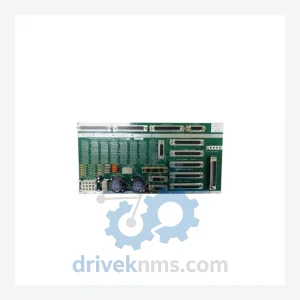
Applied Materials PCB ASSY Modules: 0100-01577
Applied Materials 0100-01577 is listed for Controller Cards RFQ review. Confirm quantity, condition and destination before quotation.
RFQ-ready industrial model
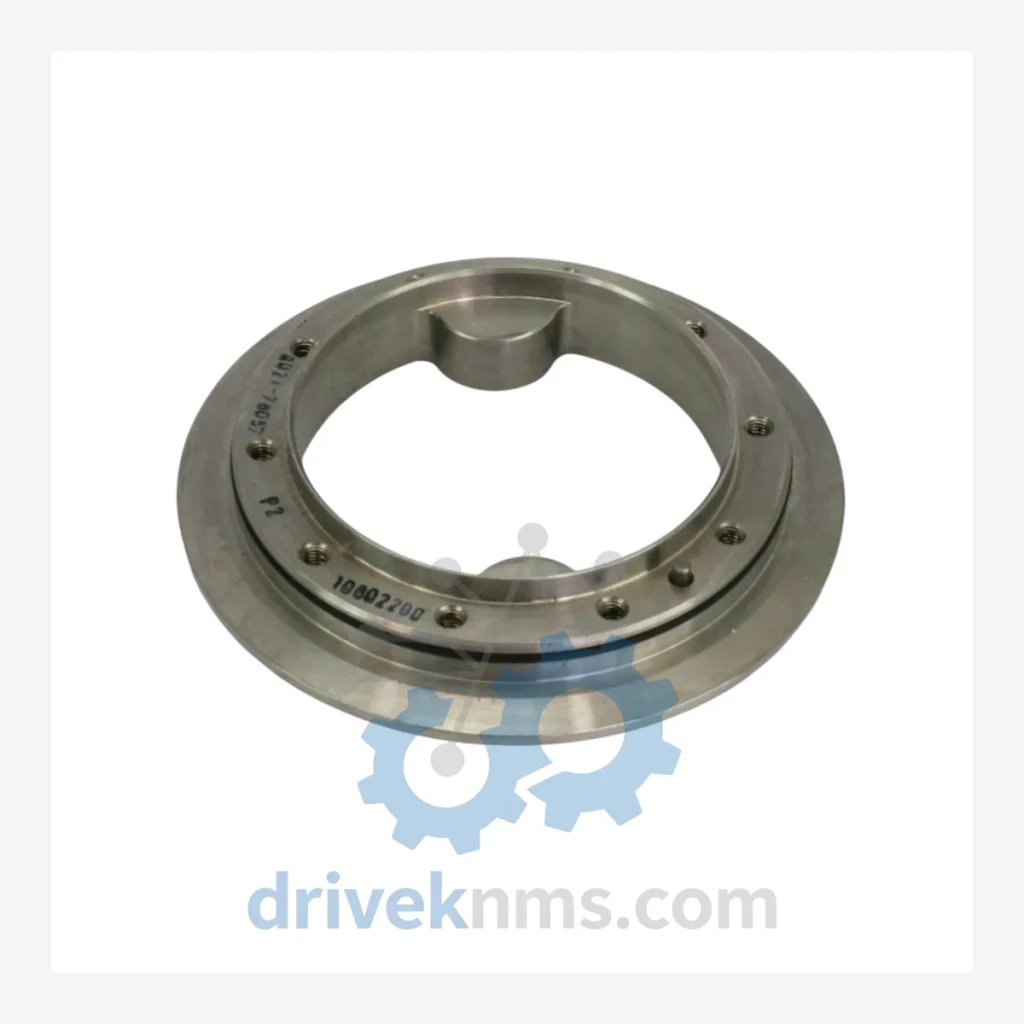
Model: 0021-78057 0140-01905 810-028296-171 853-049542-171
Product Overview
Commercial availability is handled through direct RFQ, model verification and export-oriented follow-up rather than public cart checkout.
Datasheet Preview
Use attached product manuals when available. If the manual is not public yet, request the full file directly through RFQ.
Commercial Path
Product pages on DRIVEKNMS are designed to verify model, brand and series first, then move the buyer into one clean quotation path.
Technical Dossier
When a critical mechanical component on an Applied Materials CVD or etch platform fails, the conversation in the fab quickly shifts from maintenance cost to capital expenditure. A single mounting flange — a part that costs a fraction of a percent of the tool's value — can ground a chamber indefinitely if no replacement is available. For fabs still operating legacy Applied Materials equipment, the discontinuation of parts like the 0021-78057 Mounting Flange is not an abstract supply chain problem. It is a direct threat to wafer output, OEE targets, and the business case for keeping that tool in production rather than writing it off entirely. DriveKNMS maintains sourced inventory of this obsolete assembly component specifically to prevent that outcome.
RFQ support for obsolete parts: Send the model number, required quantity and destination so DriveKNMS can confirm sourcing options before quotation.
Note: Electrical and dimensional parameters are not published here to prevent misapplication. Contact our technical team to confirm fitment for your specific chamber configuration before ordering.
Applied Materials has been the dominant supplier of semiconductor process equipment for decades. The installed base of legacy AMAT tools — particularly older Centura, Producer, and P5000 platforms — remains substantial in fabs across Asia, the Middle East, and Eastern Europe where capital refresh cycles are longer and the cost of tool replacement is prohibitive.
Each of those alternatives carries cost. Donor tool cannibalization depletes a backup asset. Engineering retrofits require process re-qualification — a process that can take weeks and consume engineering resources that are already stretched. Sourcing from a specialist distributor like DriveKNMS is, in most cases, the fastest and lowest-cost path to restoring chamber availability.
Fabs that have extended the productive life of legacy AMAT tools by 5 to 10 years beyond the OEM support window consistently share one operational discipline: they build a strategic spare parts buffer before the need becomes urgent. A single unplanned chamber outage — even one that lasts 72 hours — typically costs more in lost wafer starts than a year's worth of proactive spare parts procurement. The math is straightforward. The execution requires a reliable source for parts that the OEM no longer stocks.
Obsolete mechanical and electromechanical components sourced outside the OEM channel require a structured inspection protocol before they can be trusted in a production environment. DriveKNMS applies a 5-step QA process to all refurbished units:
Continue The Model Path
Move from this exact model into the matching system hub, brand archive, model-family archive or lifecycle sourcing route before sending a final RFQ list.
Related Paths
Applied Materials 0100-01577 is listed for Controller Cards RFQ review. Confirm quantity, condition and destination before quotation.
Applied Materials 0200-06355 1220-01011 0242-02385 is listed for Controller Cards RFQ review. Confirm quantity, condition and destination before quotation.
Applied Materials 0010-00098 QDP40-QMB250/500 DLP240-24-1/EJ 0090-A3151 is listed for Controller Cards RFQ review. Confirm quantity, condition and destination before quotation.