
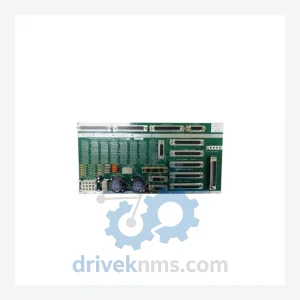
Applied Materials PCB ASSY Modules: 0100-01577
Applied Materials 0100-01577 is listed for Controller Cards RFQ review. Confirm quantity, condition and destination before quotation.
RFQ-ready industrial model
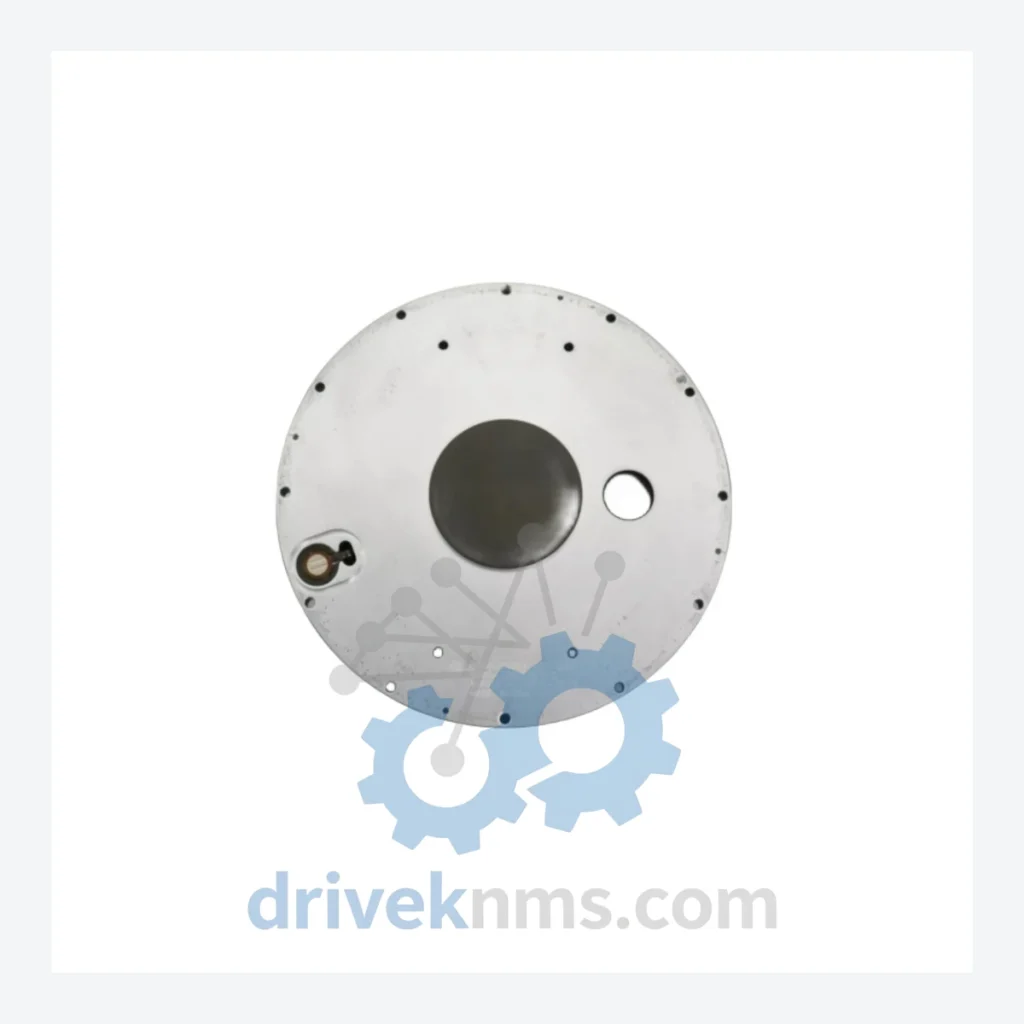
Model: 0040-09797 5112210 1410 SSC-DC88P
Product Overview
Commercial availability is handled through direct RFQ, model verification and export-oriented follow-up rather than public cart checkout.
Datasheet Preview
Use attached product manuals when available. If the manual is not public yet, request the full file directly through RFQ.
Commercial Path
Product pages on DRIVEKNMS are designed to verify model, brand and series first, then move the buyer into one clean quotation path.
Technical Dossier
RFQ support for obsolete parts: Send the model number, required quantity and destination so DriveKNMS can confirm sourcing options before quotation.
The Applied Materials Centura platform defined 200mm semiconductor manufacturing for over two decades. Facilities running mature process nodes — power devices, MEMS, compound semiconductors, and specialty analog — have no economic incentive to migrate to 300mm toolsets. The process IP is qualified, the depreciation is complete, and the throughput economics are sound. The only vulnerability is mechanical attrition of components like the SSC-DC88P Shell Assembly.
This assembly sits at the interface between the robot transfer module and the process chamber. It governs wafer seating geometry and notch alignment repeatability. A worn or cracked shell introduces wafer placement error, which in a CVD or etch environment translates directly to yield loss — often before the root cause is identified. Because AMAT no longer manufactures this part and the original supplier (SSC) has exited this product line, every unit remaining in the secondary market represents a finite, non-renewable resource.
For plant managers and equipment engineers facing pressure to retire legacy AMAT Centura toolsets, the following maintenance strategy has been validated across multiple IDMs and foundries operating mature-node fabs:
1. Conduct a Remaining Useful Life (RUL) audit on all mechanical wear components. Shell assemblies, blade assemblies, and end-effector components have defined wear cycles. Establish replacement intervals based on wafer pass counts, not calendar time.
2. Establish a minimum two-unit buffer for every single-source obsolete mechanical assembly. One unit in service, one unit on the shelf. For a tool running 24/7, a single spare buys 6–18 months of sourcing runway.
3. Negotiate long-term supply agreements with verified secondary market distributors before you need the part. Emergency sourcing of obsolete AMAT components at point-of-failure typically carries a 200–400% price premium over planned procurement.
Q: How are RFQ terms confirmed?
A: Quantity, required condition, documentation needs, destination and sourcing route are confirmed during RFQ review before quotation.
Every 0040-09797 unit shipped by DriveKNMS passes a five-stage inspection protocol developed specifically for long-shelf-life electromechanical assemblies:
Step 2 – Electrolytic Capacitor Assessment (where applicable): Any associated PCB sub-assemblies are inspected for electrolytic capacitor aging — bulging, leakage, or ESR drift — which is the primary failure mode in assemblies stored beyond 7 years.
Step 3 – Firmware and Revision Verification: Cross-referenced against known compatible firmware revisions for Centura and Producer platform software versions. Incompatible revision combinations are flagged before dispatch review.
Step 5 – Functional Verification and Packaging: Where test fixtures permit, functional verification is performed. Units are packaged in ESD-safe, nitrogen-purged bags with desiccant for long-term storage integrity.
Drop-in replacement: The 0040-09797 is a direct mechanical and electrical substitute for the original OEM unit. No modification to the robot module, chamber interface, or wiring harness is required.
No re-programming required: This is a mechanical assembly. Replacement does not trigger software re-qualification or recipe re-validation under standard AMAT maintenance procedures.
Avoids engineering re-qualification costs: A platform migration from 200mm Centura to an alternative toolset requires full process re-qualification — typically 3–6 months of engineering time and $500K–$2M in qualification wafer costs. A spare Shell Assembly eliminates this exposure for the cost of a single component.
Continue The Model Path
Move from this exact model into the matching system hub, brand archive, model-family archive or lifecycle sourcing route before sending a final RFQ list.
Related Paths
Applied Materials 0100-01577 is listed for Controller Cards RFQ review. Confirm quantity, condition and destination before quotation.
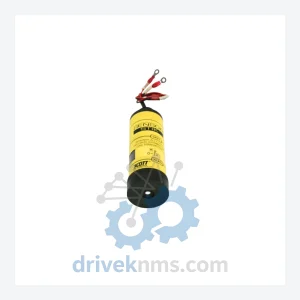
Applied Materials 0200-06355 1220-01011 0242-02385 is listed for Controller Cards RFQ review. Confirm quantity, condition and destination before quotation.
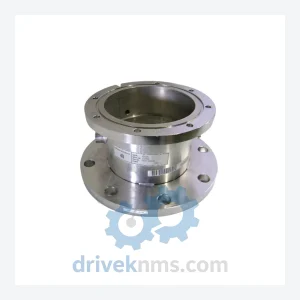
Applied Materials 0010-00098 QDP40-QMB250/500 DLP240-24-1/EJ 0090-A3151 is listed for Controller Cards RFQ review. Confirm quantity, condition and destination before quotation.