
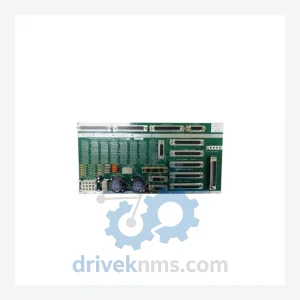
Applied Materials PCB ASSY Modules: 0100-01577
Applied Materials 0100-01577 is listed for Controller Cards RFQ review. Confirm quantity, condition and destination before quotation.
RFQ-ready industrial model
Model: 0040-44504 0050-53743 MFA050HA5NSD MDX-10K
Product Overview
Commercial availability is handled through direct RFQ, model verification and export-oriented follow-up rather than public cart checkout.
Datasheet Preview
Use attached product manuals when available. If the manual is not public yet, request the full file directly through RFQ.
Commercial Path
Product pages on DRIVEKNMS are designed to verify model, brand and series first, then move the buyer into one clean quotation path.
Technical Dossier
RFQ support for obsolete parts: Send the model number, required quantity and destination so DriveKNMS can confirm sourcing options before quotation.
| Parameter | Detail |
|---|---|
| Manufacturer | Applied Materials (AMAT) |
| Part Number | 0040-44504 |
| Sub-Assembly P/N | 0050-53743 |
| Manufacturer Reference | MFA050HA5NSD |
| Series / Platform | MDX-10K |
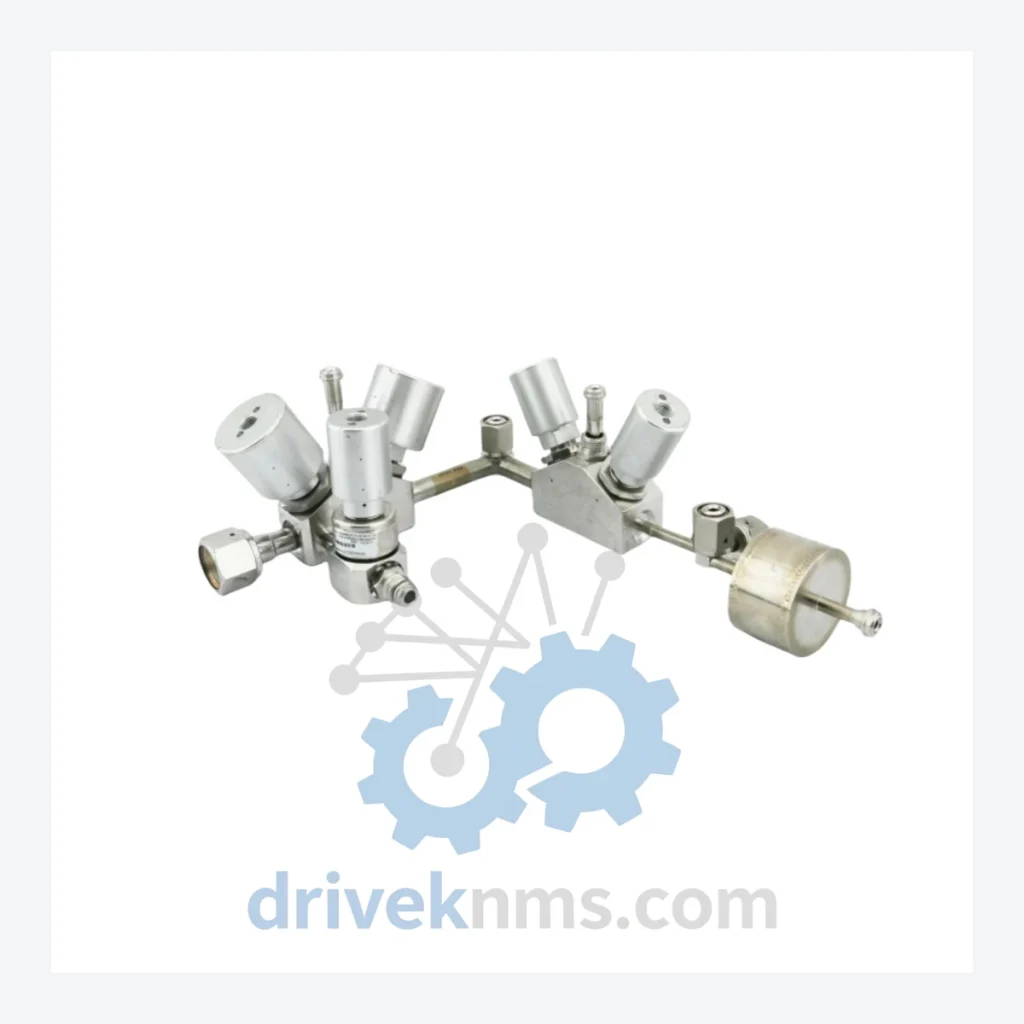
| Description | 8-Way Manifold Valve Assembly |
| Product Status | Discontinued / Obsolete – No longer manufactured or distributed by AMAT |
| Country of Origin | United States |
| Compatibility | Applied Materials MDX-10K gas delivery systems; legacy CVD and etch process tools |
Note: Electrical and pneumatic parameters are not published here to prevent misapplication. Contact our technical team for verified specification sheets prior to installation.
Applied Materials MDX-10K platforms were deployed extensively across 200mm and early 300mm semiconductor fabs during a period when process stability and tool longevity were prioritized over rapid technology refresh cycles. Many of these tools remain in production today — running mature nodes for power devices, MEMS, compound semiconductors, and specialty analog processes where the economics of upgrading to a current-generation platform cannot be justified.
The cost differential between these two paths is not marginal. Secondary market procurement of a verified spare — even at a significant premium over original list price — represents a fraction of the capital expenditure, engineering hours, and lost production revenue associated with a forced upgrade. For fab managers operating under asset utilization targets and constrained capital budgets, maintaining a qualified spare parts inventory for legacy tools is not a cost center. It is a risk management strategy.
For plant managers facing pressure to retire aging semiconductor process equipment, the following approach has been used successfully to defer capital expenditure while maintaining process capability:
1. Critical Spare Mapping: Identify every single-point-of-failure component on each legacy tool — parts that, if unavailable, would force a tool down with no workaround. Gas delivery manifold assemblies, RF match networks, and chamber liner assemblies typically fall into this category. Map these against current secondary market availability and build a prioritized procurement list.
3. Refurbishment as a Force Multiplier: Removed assemblies that are not catastrophically failed can often be refurbished to serviceable condition. This creates a secondary spare inventory at a fraction of replacement cost. DriveKNMS offers evaluation and refurbishment assessment for returned units on a case-by-case basis.
4. Vendor-Agnostic Sourcing: Restricting spare parts procurement to a single authorized channel is not viable for discontinued components. Qualified secondary market suppliers with documented QA processes provide the only reliable supply path for obsolete parts. Establish approved vendor lists that include vetted secondary market sources before a critical shortage occurs — not during one.
5. Documentation and Configuration Control: Maintain detailed records of installed part numbers, firmware versions, and configuration parameters for every legacy tool. This information is essential for verifying compatibility of replacement parts and for onboarding new maintenance personnel who may not have direct experience with older platforms.
Applied Materials MDX-10K tools that are properly maintained and supported with verified spare parts can remain in productive operation for a decade beyond their nominal end-of-support date. The investment required is a fraction of the cost of replacement.
All obsolete and legacy components supplied by DriveKNMS pass a structured 5-step inspection protocol before dispatch review:
Step 1 – Visual and Mechanical Inspection: Full external examination for physical damage, corrosion, pin deformation, and connector integrity. Components with evidence of field damage beyond normal wear are quarantined.
Step 2 – Electrolytic Capacitor Assessment: Where applicable, aging electrolytic capacitors are identified and evaluated. Units with capacitors showing visible bulging, electrolyte leakage, or measured capacitance outside tolerance are flagged for component-level refurbishment prior to release.
Step 3 – Firmware and Revision Verification: Part number, revision level, and where accessible, firmware version are verified against the customer's specified configuration. Cross-revision compatibility issues are flagged before dispatch review.
Step 4 – Contact and Pin Corrosion Check: All electrical connectors and signal pins are inspected under magnification. Oxidation is treated; pins with structural damage are documented and disclosed.
The 0040-44504 MFA050HA5NSD assembly is a direct drop-in replacement for the original installed unit in MDX-10K gas delivery configurations. No hardware modification, re-engineering, or process re-qualification is required beyond standard component swap procedures as defined in the Applied Materials tool maintenance documentation.
Key operational advantages for maintenance teams:
– Drop-in replacement: Identical form, fit, and function to the original OEM assembly. No bracket modifications or interface adapters required.
– No reprogramming required: The assembly does not contain user-configurable firmware in standard configurations. Replacement does not trigger a software re-qualification event.
– Avoids engineering redesign costs: Substituting a non-OEM equivalent or redesigning the gas delivery circuit to accommodate a different manifold configuration requires process engineering involvement, re-qualification runs, and potential yield impact. A verified OEM replacement eliminates this risk entirely.
– Preserves process certification: Using the correct OEM part number maintains the tool's process certification status without triggering a change control review in most fab quality systems.
Q: How do I confirm the unit is new or quality-refurbished?
A: Each shipment is accompanied by an inspection report documenting the condition assessment steps completed. New-in-box units are identified as such with original packaging noted. Refurbished units are clearly labeled with the refurbishment scope. We do not misrepresent condition.
Q: Can DriveKNMS source other Applied Materials MDX-10K components?
A: Yes. Contact our team with your full bill of materials or specific part numbers. We maintain an active sourcing network for legacy Applied Materials, Lam Research, Novellus, and other semiconductor process equipment platforms.
Continue The Model Path
Move from this exact model into the matching system hub, brand archive, model-family archive or lifecycle sourcing route before sending a final RFQ list.
Related Paths
Applied Materials 0100-01577 is listed for Controller Cards RFQ review. Confirm quantity, condition and destination before quotation.
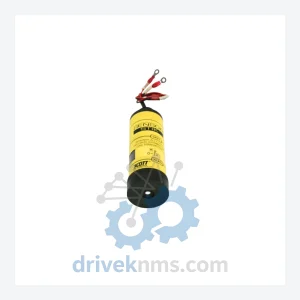
Applied Materials 0200-06355 1220-01011 0242-02385 is listed for Controller Cards RFQ review. Confirm quantity, condition and destination before quotation.
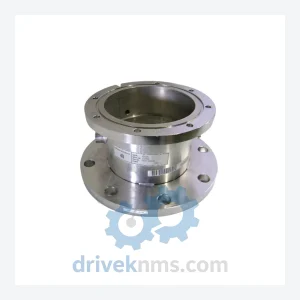
Applied Materials 0010-00098 QDP40-QMB250/500 DLP240-24-1/EJ 0090-A3151 is listed for Controller Cards RFQ review. Confirm quantity, condition and destination before quotation.