
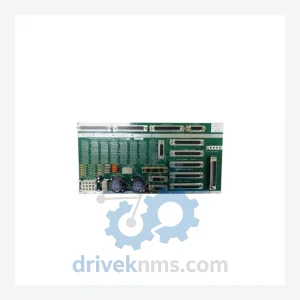
Applied Materials PCB ASSY Modules: 0100-01577
Applied Materials 0100-01577 is listed for Controller Cards RFQ review. Confirm quantity, condition and destination before quotation.
RFQ-ready industrial model
Model: 0100-01362 0100-01864 0100-77063 SDC-2.2 SDC-2/1
Product Overview
Commercial availability is handled through direct RFQ, model verification and export-oriented follow-up rather than public cart checkout.
Datasheet Preview
Use attached product manuals when available. If the manual is not public yet, request the full file directly through RFQ.
Commercial Path
Product pages on DRIVEKNMS are designed to verify model, brand and series first, then move the buyer into one clean quotation path.
Technical Dossier
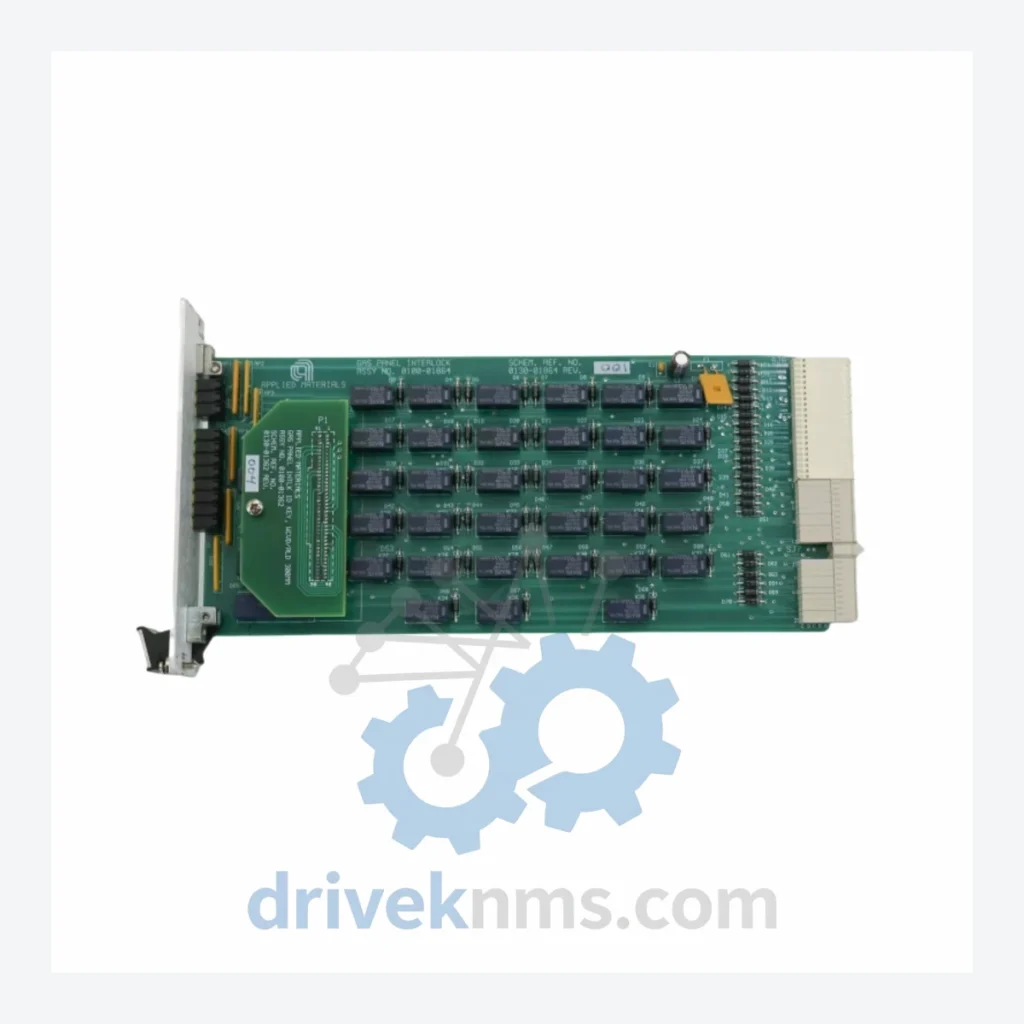
DriveKNMS maintains sourced inventory of discontinued Applied Materials assemblies specifically to serve facilities that cannot afford — or are not yet ready — to retire functioning equipment. This listing covers part numbers 0100-01362, 0100-01864, and 0100-77063, all associated with the SDC-2.2 / SDC-2/1 control board assembly.
RFQ support for obsolete parts: Send the model number, required quantity and destination so DriveKNMS can confirm sourcing options before quotation.
Note: Electrical parameters specific to this assembly are not published here to prevent misapplication. Contact our technical team for configuration verification before ordering.
Applied Materials SDC-2 series controllers were deployed extensively across CVD, PVD, and etch tool platforms during a period when semiconductor process equipment had design lifecycles measured in decades. Many of these tools remain in production today — running qualified processes that facilities are unwilling to disrupt — yet the OEM supply chain for their control electronics has been closed for years.
The 0100-01362 / 0100-01864 / 0100-77063 PCB assembly sits within the SDC-2 control architecture as a functional board responsible for signal processing and system coordination. When this board degrades or fails, the tool goes down. There is no modern drop-in equivalent from the OEM. The choice facing maintenance and engineering teams is binary: locate a verified spare, or begin the process of platform retirement.
Facilities that have navigated this situation successfully share a common approach: they treat critical legacy boards not as consumables but as insured assets. Holding one or two verified spare assemblies for a tool generating significant revenue per hour is straightforward risk arithmetic. DriveKNMS sources these assemblies through controlled channels — decommissioned equipment, certified surplus, and vetted distributor networks — to provide that insurance.
How to extend your automation asset life by 5–10 years through strategic spare parts management:
Sourcing obsolete PCB assemblies from the open market carries real risk. DriveKNMS applies a structured 5-step quality process to every board before it is offered for sale:
Q: How is condition confirmed before quotation?
A: Available condition, photos, test records and documentation are checked according to the requested model and sourcing channel before a formal RFQ response.
How do I know the board is genuine and not counterfeit?
All Applied Materials assemblies sourced by DriveKNMS are inspected for OEM markings, PCB layer construction, and component authenticity. We do not source from unverified brokers. Provenance documentation is available on request for critical orders.
Q: Can you support multi-unit or repeat RFQ requests?
A: Yes. Send the model list, target quantity and destination so DRIVEKNMS can review sourcing options and quote the requirement as a project RFQ.
Can you verify compatibility with my specific tool configuration before I order?
Yes. Provide your tool model, system serial number, and current board revision, and our technical team will confirm compatibility before the order is placed.
Continue The Model Path
Move from this exact model into the matching system hub, brand archive, model-family archive or lifecycle sourcing route before sending a final RFQ list.
Related Paths
Applied Materials 0100-01577 is listed for Controller Cards RFQ review. Confirm quantity, condition and destination before quotation.
Applied Materials 0200-06355 1220-01011 0242-02385 is listed for Controller Cards RFQ review. Confirm quantity, condition and destination before quotation.
Applied Materials 0010-00098 QDP40-QMB250/500 DLP240-24-1/EJ 0090-A3151 is listed for Controller Cards RFQ review. Confirm quantity, condition and destination before quotation.