
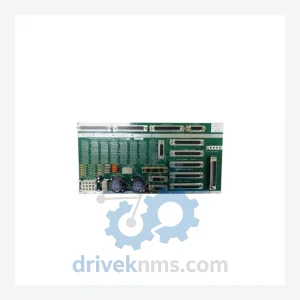
Applied Materials PCB ASSY Modules: 0100-01577
Applied Materials 0100-01577 is listed for Controller Cards RFQ review. Confirm quantity, condition and destination before quotation.
RFQ-ready industrial model
Model: 0100-AE108 0190-35208 0100-35054 0063451100048 TLC511 F SAM
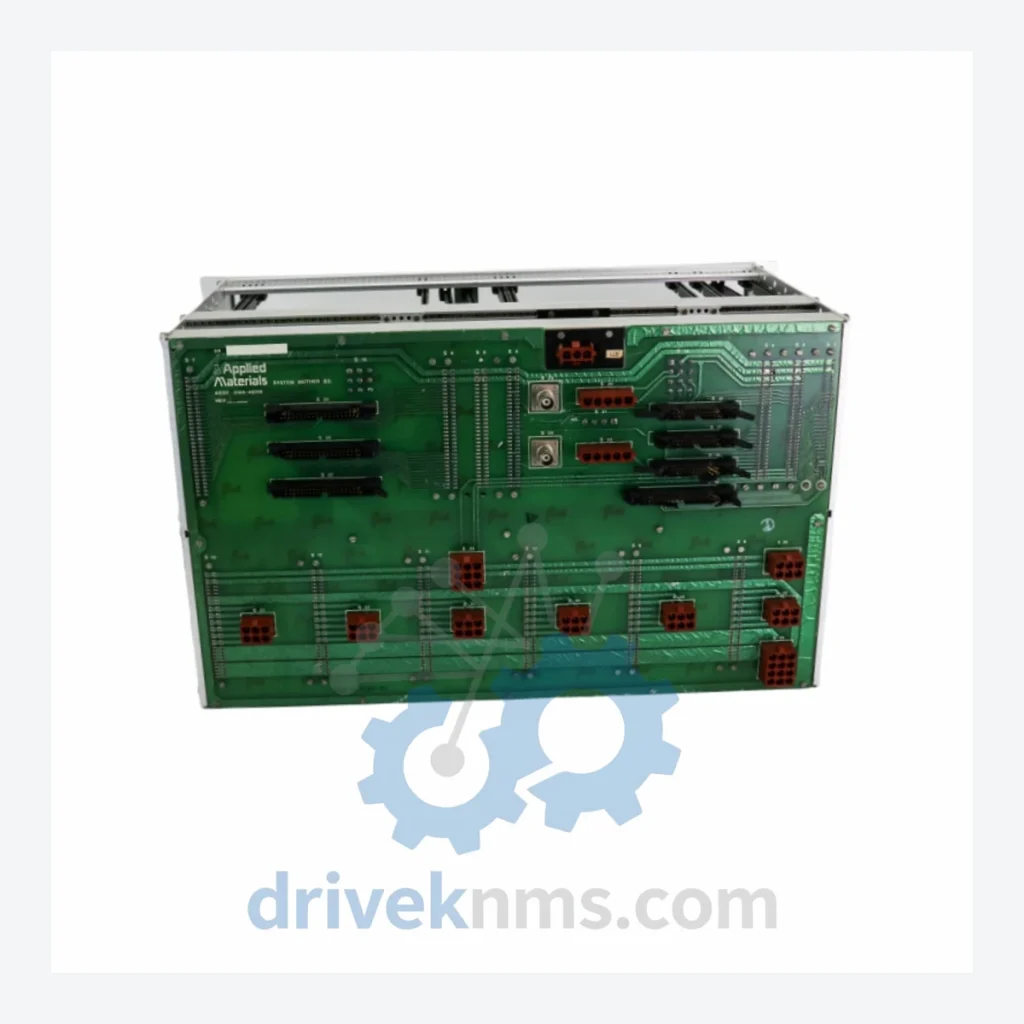
Product Overview
Commercial availability is handled through direct RFQ, model verification and export-oriented follow-up rather than public cart checkout.
Datasheet Preview
Use attached product manuals when available. If the manual is not public yet, request the full file directly through RFQ.
Commercial Path
Product pages on DRIVEKNMS are designed to verify model, brand and series first, then move the buyer into one clean quotation path.
Technical Dossier
RFQ support for obsolete parts: Send the model number, required quantity and destination so DriveKNMS can confirm sourcing options before quotation.
Note: Electrical parameters specific to this assembly are not published in open documentation. DriveKNMS does not fabricate specifications. Buyers requiring detailed electrical data should request the original AMAT engineering drawing reference during inquiry.
The TLC511 controller family was the backbone of Applied Materials' process tool automation for a generation of semiconductor manufacturing. Fabs that built their capacity around Centura and Producer platforms made long-term capital commitments — commitments that do not expire simply because the OEM has moved on to newer architectures.
The Cardcage Assembly Module (0100-AE108) is the structural and electrical backbone of the TLC511 controller chassis. It routes power and signal between individual I/O and control cards. When this assembly degrades — through connector wear, backplane trace fatigue, or power rail instability — the entire controller becomes unreliable. Intermittent faults at this level are frequently misdiagnosed as software or individual card failures, leading to wasted engineering hours before the root cause is identified.
There is no modern drop-in equivalent. Applied Materials' current controller platforms use entirely different backplane architectures. Replacing the TLC511 system means replacing the tool's entire control infrastructure, rewriting process recipes, revalidating the tool against process specifications, and retraining operators. In a qualified production environment, that sequence routinely takes six to eighteen months and costs more than the original tool's depreciated book value.
Holding a verified spare 0100-AE108 on the shelf eliminates that risk. Mean time to repair drops from months to hours. The production asset continues generating revenue. The capital budget remains intact.
Obsolete modules sourced from the secondary market carry real risk if they are not properly evaluated before installation. DriveKNMS applies a five-stage inspection protocol to every TLC511-generation assembly before it is offered for sale:
1. Electrolytic Capacitor Assessment — Capacitors on boards of this era are the primary failure point after extended storage. Each board is inspected for bulging, electrolyte leakage, and ESR deviation. Suspect capacitors are replaced with specification-matched components before the unit is cleared.
2. Firmware Version Verification — Where firmware is embedded in the assembly, the revision is documented and confirmed against known-compatible versions for the target platform. Mismatched firmware is a common source of post-installation faults on legacy controllers.
3. Connector and Pin Corrosion Inspection — Backplane connectors are examined under magnification for oxidation, bent pins, and contact surface degradation. Affected contacts are cleaned or the connector assembly is replaced.
4. Power Rail Integrity Test — The assembly is bench-powered and all regulated voltage rails are measured against nominal values. Rail deviation outside tolerance is investigated and corrected before dispatch review.
5. Functional Burn-In — Where test fixtures permit, the assembly undergoes an operational burn-in period to surface latent failures before the unit leaves our facility.
Units that do not pass all five stages are not offered for sale. Condition grade and test results are documented and available to buyers on request.
Drop-in replacement: The 0100-AE108 installs directly into the existing TLC511 chassis using the original mounting hardware and backplane connectors. No mechanical modification is required.
No reprogramming required: The Cardcage Assembly Module is a passive and semi-passive infrastructure component. Replacing it does not require controller software changes, recipe modifications, or process requalification in most configurations. Verify against your specific tool revision before installation.
Q: How are RFQ terms confirmed?
A: Quantity, required condition, documentation needs, destination and sourcing route are confirmed during RFQ review before quotation.
Supports long-term asset protection strategy: Facilities managing end-of-life equipment should maintain a minimum of one cold spare for every critical single-point-of-failure assembly. The 0100-AE108 qualifies as exactly that type of assembly within the TLC511 platform.
For plant managers and engineering directors facing pressure to retire TLC511-generation Applied Materials tools, the financial case for continued operation is often stronger than it appears. The following framework has been applied successfully in facilities that have extended tool life well beyond OEM support windows:
Step 1 – Conduct a single-point-of-failure audit. Map every assembly in the tool that has no redundancy and no modern equivalent. The Cardcage Assembly Module is typically on this list. Prioritize procurement of cold spares for each identified item.
Step 3 – Document all firmware and software revisions. Legacy controller systems are vulnerable to configuration loss during hardware failures. Maintain offline backups of all firmware images, process recipes, and calibration data. This documentation is as valuable as the hardware itself.
Step 5 – Negotiate a long-term supply agreement for critical spares. For facilities operating multiple tools of the same platform, a standing supply arrangement with a specialized obsolete parts distributor provides price certainty and priority allocation when inventory is constrained.
Executed consistently, this approach has allowed facilities to operate TLC511-generation tools for five to ten years beyond the point at which OEM support was withdrawn — at a fraction of the cost of platform migration.
Q: How do I know the unit is genuine and not a counterfeit?
A: All units sourced by DriveKNMS are verified against original Applied Materials part markings, date codes, and construction standards. We do not source from unverified brokers. Traceability documentation is available on request for critical applications.
Q: Can you source other Applied Materials TLC511-series components?
A: Yes. DriveKNMS specializes in hard-to-find and obsolete semiconductor equipment spares. Contact us with your full part number list for availability and pricing.
Continue The Model Path
Move from this exact model into the matching system hub, brand archive, model-family archive or lifecycle sourcing route before sending a final RFQ list.
Related Paths
Applied Materials 0100-01577 is listed for Controller Cards RFQ review. Confirm quantity, condition and destination before quotation.
Applied Materials 0200-06355 1220-01011 0242-02385 is listed for Controller Cards RFQ review. Confirm quantity, condition and destination before quotation.
Applied Materials 0040-49884 E7627/Z 0150-00947 is listed for Controller Cards RFQ review. Confirm quantity, condition and destination before quotation.