
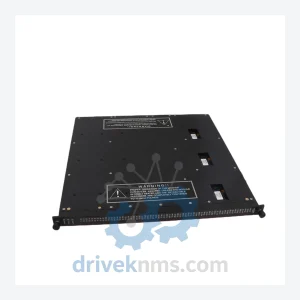
TRICONEX 3500 Series Modules – 3511 Pulse Input Module
Triconex 3511 is listed for 3500 RFQ review. Confirm quantity, condition and destination before quotation.
RFQ-ready industrial model
Model: 125744-02 125760-01
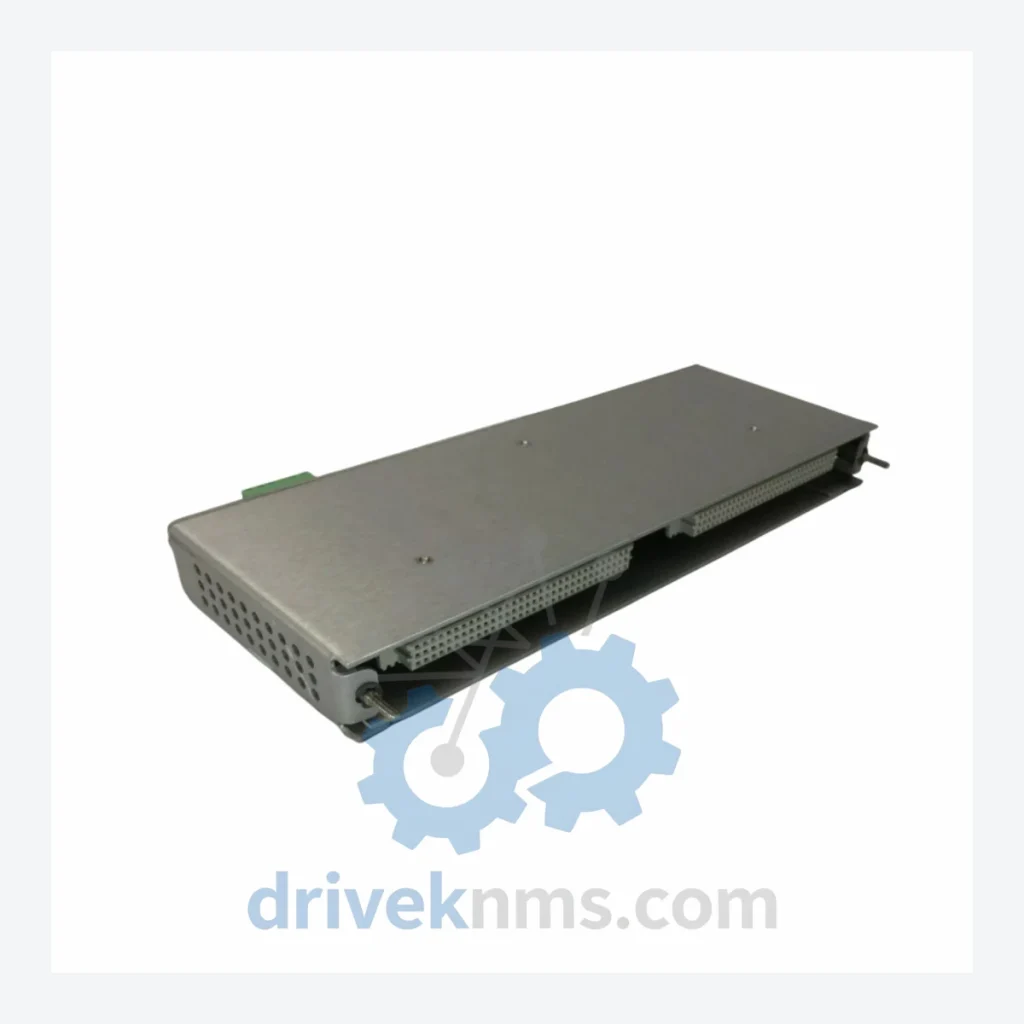
Product Overview
Commercial availability is handled through direct RFQ, model verification and export-oriented follow-up rather than public cart checkout.
Datasheet Preview
Use attached product manuals when available. If the manual is not public yet, request the full file directly through RFQ.
Commercial Path
Product pages on DRIVEKNMS are designed to verify model, brand and series first, then move the buyer into one clean quotation path.
Technical Dossier
DriveKNMS reviews sourcing status and documentation for this model during RFQ handling before quotation.
RFQ support for obsolete parts: Send the model number, required quantity and destination so DriveKNMS can confirm sourcing options before quotation.
| Manufacturer | Bently Nevada (GE Measurement & Control) |
| Part Numbers | 125744-02 / 125760-01 |
| Product Series | 3500 Series Machinery Protection System |
| Module Type | Interface Module |
| Country of Origin | United States |
| OEM Discontinuation Status | Discontinued / Obsolete – No longer available through standard OEM channels |
| Compatible Systems | Bently Nevada 3500 Series rack-based machinery protection systems |
| Typical Applications | Vibration monitoring, shaft displacement, machinery protection in turbines, compressors, pumps |
Note: Electrical parameters are confirmed only against verified documentation. No speculative data is published. Contact us for full datasheet access.
The Bently Nevada 3500 Series has been deployed in critical rotating machinery protection applications since the 1990s. Many of these installations remain fully operational — and for good reason. The 3500 platform's rack architecture, field-proven transducer compatibility, and deterministic response times make it difficult to justify replacement on performance grounds alone.
The 125744-02 / 125760-01 Interface Module sits at a critical junction in the 3500 rack. It manages signal routing between field transducers and the monitoring rack's processing modules. Without a functioning interface module, the entire protection channel goes offline — triggering either a forced shutdown or, worse, unprotected operation. Neither outcome is acceptable in a facility where rotating machinery failure carries safety and environmental consequences.
Facilities that have successfully extended their 3500 Series asset life by 5 to 10 years share a common strategy: they treat critical interface and I/O modules as consumable spares, maintaining a minimum buffer of one to two units per rack configuration. The cost of holding that inventory — even at current secondary-market prices — is a fraction of a single unplanned outage or a forced migration project.
For plant managers facing board-level pressure to defer capital expenditure, this approach converts an unpredictable catastrophic risk into a manageable, budgeted maintenance line item. The 3500 platform does not need to be replaced to remain safe and compliant. It needs to be maintained with the right parts, sourced from suppliers who actually have them.
Every Bently Nevada module processed through DriveKNMS undergoes a structured 5-step quality verification protocol before it is offered for sale. This process is designed specifically for legacy industrial hardware, where standard consumer-grade inspection is insufficient.
Step 1 – Electrolytic Capacitor Assessment: Aging electrolytic capacitors are the primary failure mode in legacy PCB assemblies. Each board is inspected for capacitor bulging, electrolyte leakage, and ESR deviation from specification.
Step 2 – Firmware & Revision Verification: Module firmware version and hardware revision are documented and cross-referenced against known-compatible configurations for the 3500 rack. Mismatched revisions that could cause rack communication errors are flagged and disclosed.
Step 3 – Connector & Pin Integrity Check: All edge connectors and backplane pins are inspected under magnification for oxidation, corrosion, mechanical deformation, and solder joint integrity.
Step 4 – Functional Bench Test: Where test fixtures are available, modules are powered and tested for basic operational response. Results are documented.
Step 5 – Packaging & ESD Protection: Modules are packaged in anti-static shielding bags with desiccant, inside rigid protective cartons rated for international freight.
Condition grade (New Surplus, Refurbished, or Used-Tested) is disclosed explicitly on every order confirmation. No module is shipped without a condition declaration.
This matters operationally. Engaging a system integrator or OEM field engineer for a module replacement — if one is even available for a discontinued platform — carries day-rate costs that can exceed the value of the spare itself. A verified drop-in replacement from DriveKNMS eliminates that dependency.
For facilities running multiple 3500 racks across a site, we recommend discussing a site-level spare parts agreement. Consolidated procurement of interface modules and I/O cards across a facility's installed base reduces per-unit cost and guarantees availability when the next failure occurs — not after a six-week search.
Continue The Model Path
Move from this exact model into the matching system hub, brand archive, model-family archive or lifecycle sourcing route before sending a final RFQ list.
Related Paths
Triconex 3511 is listed for 3500 RFQ review. Confirm quantity, condition and destination before quotation.
Triconex 3501E is listed for 3500 RFQ review. Confirm quantity, condition and destination before quotation.
Triconex 3533E is listed for 3500 RFQ review. Confirm quantity, condition and destination before quotation.