
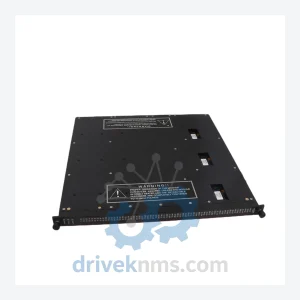
TRICONEX 3500 Series Modules – 3511 Pulse Input Module
Triconex 3511 is listed for 3500 RFQ review. Confirm quantity, condition and destination before quotation.
RFQ-ready industrial model
Model: 3500/70M 140734-09
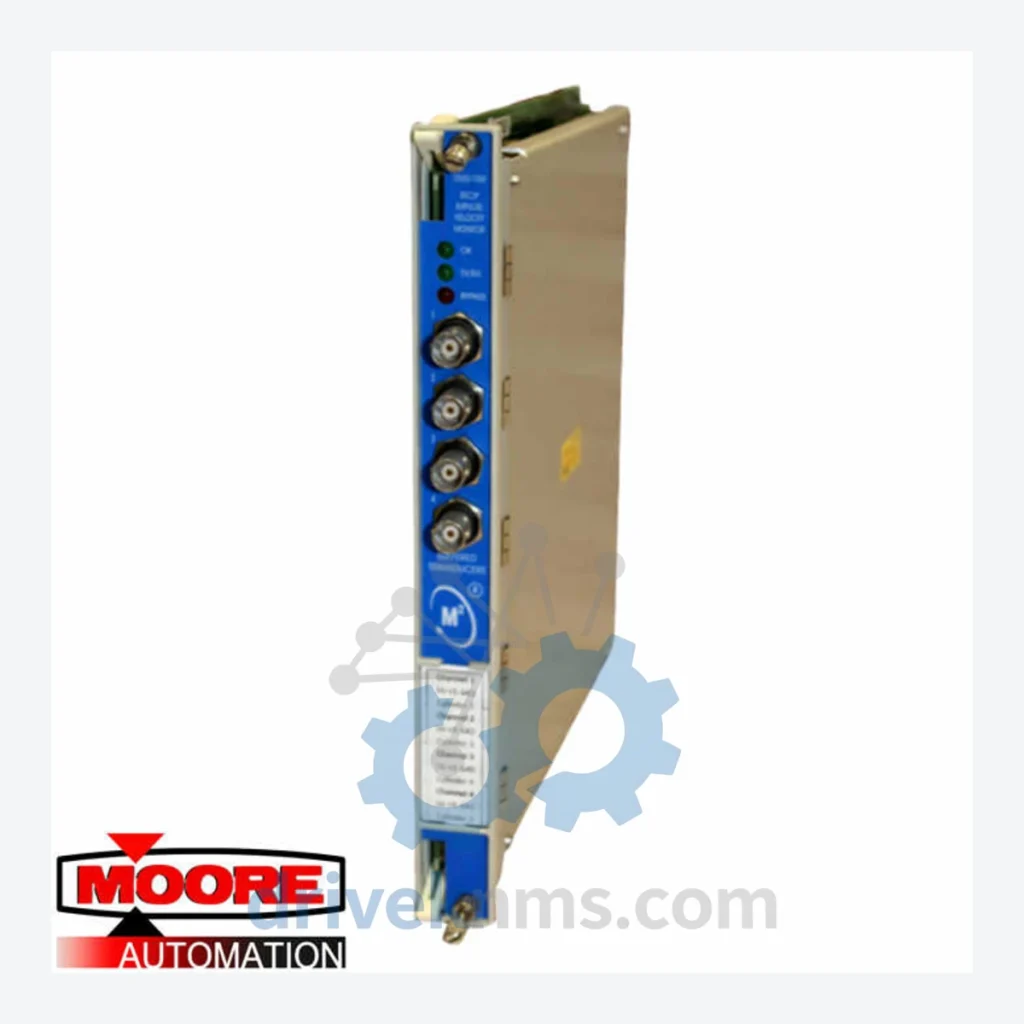
Product Overview
Commercial availability is handled through direct RFQ, model verification and export-oriented follow-up rather than public cart checkout.
Datasheet Preview
Use attached product manuals when available. If the manual is not public yet, request the full file directly through RFQ.
Commercial Path
Product pages on DRIVEKNMS are designed to verify model, brand and series first, then move the buyer into one clean quotation path.
Technical Dossier
The 3500 platform was engineered as a successor to the Bently Nevada 3300 Series, addressing the limitations of earlier analog-only signal chains by introducing a fully digital, rack-based modular architecture with a dedicated backplane communication bus. The original 3500 rack (introduced in the early 1990s) established the 19-inch, 14-slot chassis standard that remains physically compatible with current-generation modules — a deliberate design decision that has allowed operators to incrementally upgrade individual function modules without replacing entire protection systems.
Early-generation 3500 modules relied on ISA-era communication protocols for rack-internal data exchange. Subsequent hardware revisions introduced Ethernet-based System 1 connectivity, enabling integration with plant-wide condition monitoring software. The introduction of the 3500/92 Communication Gateway module marked a pivotal transition, allowing 3500 racks to publish real-time vibration data to Modbus, Profibus, and OPC-DA/UA networks — a capability absent from first-generation deployments. Compatibility constraints exist between early-revision backplanes (pre-Rev D) and later high-density I/O modules; field engineers must verify backplane revision codes before substituting modules across rack generations. The 3500 Series is currently classified as a mature platform: GE/Baker Hughes continues to supply active modules and provide firmware updates, but the architecture is no longer receiving new feature development. This lifecycle position makes third-party spare parts sourcing and long-term maintenance support a critical operational consideration for asset owners.
The following catalog covers verified, commonly deployed SKUs across the 3500 Series. Modules are organized by functional category.
Rack Infrastructure & Power
Monitoring Modules — Vibration & Position
Communication & Integration Modules
Relay Output Modules
As the 3500 Series enters its long-term maintenance phase, a growing proportion of installed modules are reaching end-of-active-production status. Baker Hughes has discontinued several first- and second-generation module variants, including early-revision Proximitor monitors and legacy communication adapters. Plant operators face a binary choice: undertake a full system migration to the current Bently Nevada 3701/3711 platform (a capital-intensive project requiring re-engineering of trip logic and transducer wiring), or extend the operational life of existing 3500 racks through verified spare parts sourcing.
The 3500 Series presents specific quality verification challenges due to its backplane-dependent architecture: a module that passes bench-level power and signal tests may exhibit communication faults when installed in a specific rack revision. DriveKNMS applies a multi-stage test protocol for all 3500 Series modules:
Continue The Model Path
Move from this exact model into the matching system hub, brand archive, model-family archive or lifecycle sourcing route before sending a final RFQ list.
Related Paths
Triconex 3511 is listed for 3500 RFQ review. Confirm quantity, condition and destination before quotation.
Triconex 3501E is listed for 3500 RFQ review. Confirm quantity, condition and destination before quotation.
Triconex 3533E is listed for 3500 RFQ review. Confirm quantity, condition and destination before quotation.