
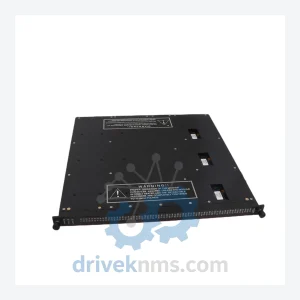
TRICONEX 3500 Series Modules – 3511 Pulse Input Module
Triconex 3511 is listed for 3500 RFQ review. Confirm quantity, condition and destination before quotation.
RFQ-ready industrial model
Model: 991-01-50-01-00 288865-01
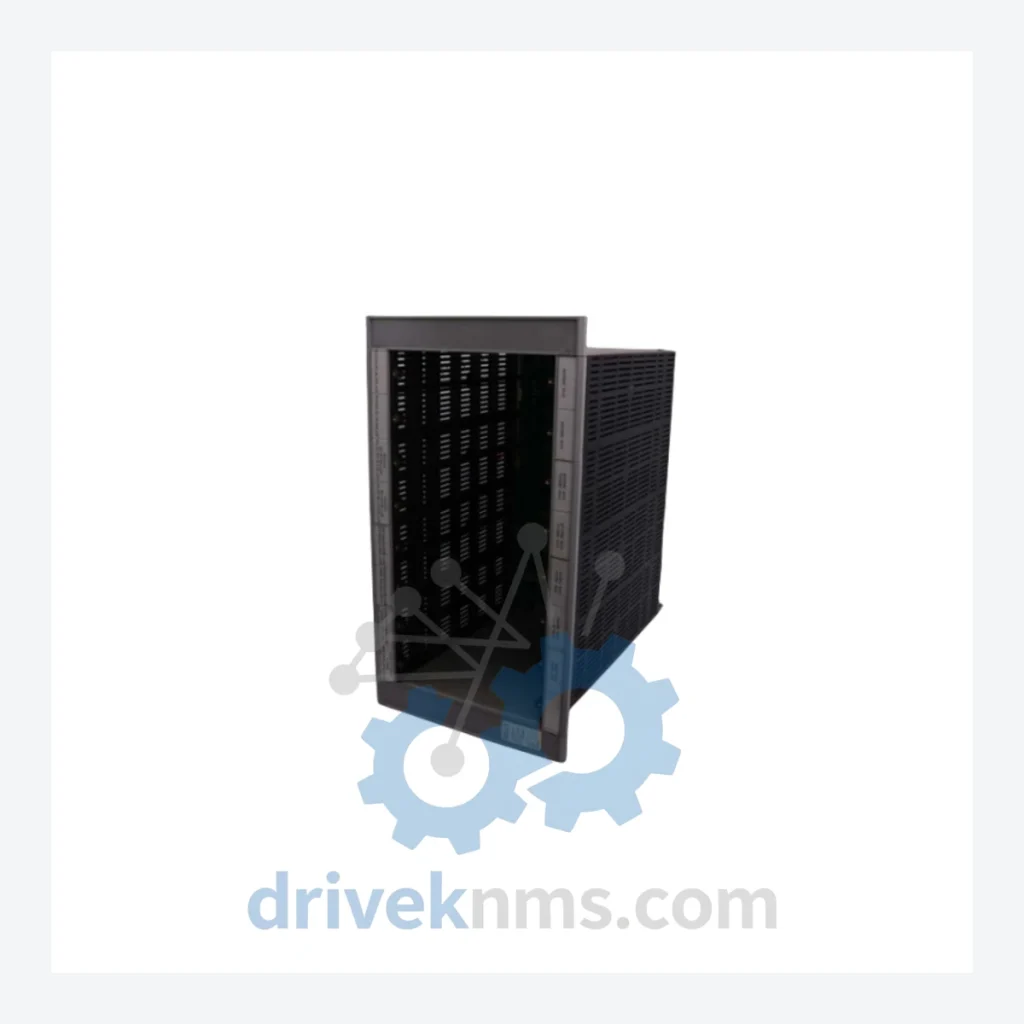
Product Overview
Commercial availability is handled through direct RFQ, model verification and export-oriented follow-up rather than public cart checkout.
Datasheet Preview
Use attached product manuals when available. If the manual is not public yet, request the full file directly through RFQ.
Commercial Path
Product pages on DRIVEKNMS are designed to verify model, brand and series first, then move the buyer into one clean quotation path.
Technical Dossier
RFQ support for obsolete parts: Send the model number, required quantity and destination so DriveKNMS can confirm sourcing options before quotation.
Note: Electrical parameters specific to this module (input voltage range, output ratings, communication protocol version) vary by rack configuration. Confirmed specifications are provided upon request with your rack serial number and system drawing reference. No parameters are stated here that have not been verified — accuracy on discontinued hardware is a safety matter.
Facilities running the 3500 Series face a binary choice: source verified spare modules now, or commit to a full system replacement on an emergency timeline — the worst possible conditions for a capital project. The 991-01-50-01-00 Motor Controller sits in the control path of motor-driven equipment. Its failure does not degrade performance gradually; it removes the protection layer entirely, forcing either a manual watch or a forced shutdown under most site safety protocols.
Discontinued hardware sourced from the secondary market carries inherent risk. DriveKNMS applies a structured 5-step qualification process to every 991-01-50-01-00 unit before it is offered for sale:
Step 1 – Electrolytic Capacitor Assessment: Modules of this age are subject to capacitor degradation. Each unit is inspected for bulging, leakage, and ESR deviation. Units with compromised capacitors are rejected or recapped with specification-matched components before any functional test.
Step 2 – Firmware Version Verification: The firmware revision is confirmed and documented. Compatibility with the target rack firmware is verified prior to shipment. Mismatched firmware versions are a known source of intermittent faults on legacy 3500 racks.
Step 3 – Pin and Connector Inspection: Backplane connector pins are examined under magnification for corrosion, fretting wear, and mechanical deformation. Corroded contacts are the leading cause of intermittent signal faults on modules that pass bench testing but fail in-rack.
Step 4 – Functional Bench Test: Where test fixtures are available, modules are powered and exercised through their operating range. Results are logged and retained with the unit record.
Step 5 – Packaging and ESD Protection: Units are shipped in anti-static packaging with desiccant. Long-term storage recommendations are included with each shipment for facilities building a strategic spare inventory.
The 991-01-50-01-00 is a direct drop-in replacement for the original module position in a 3500 rack. There is no firmware re-flashing required at the rack level for a like-for-like swap, no reconfiguration of adjacent I/O modules, and no requirement to engage the OEM for a system re-certification — provided the replacement module carries the same firmware revision as the unit being replaced. This is the core economic argument for sourcing a verified spare rather than initiating a system upgrade:
A module swap is a maintenance event. A system upgrade is a capital project. The former is executed by site instrumentation technicians in hours. The latter requires engineering contractors, management of change documentation, process safety review, and in regulated industries, third-party certification — a process measured in months and budgeted in six or seven figures. For facilities where the 3500 platform is performing its protection function reliably, there is no engineering justification to accelerate that capital spend because of a single module failure — provided the spare exists.
Should I buy more than one unit?
For any facility running more than one 3500 rack, the answer is yes. The secondary market for 991-01-50-01-00 does not restock. Once current inventory clears, the next availability event — if one occurs — will be at a higher price point and with no guaranteed timeline. Facilities that have experienced a second failure after consuming their only spare have faced the full cost of emergency system replacement. A two-unit minimum is a defensible position in any maintenance budget review.
Can you source other 3500 Series modules?
Yes. DriveKNMS specializes in the full Bently Nevada 3500 Series module range. Contact us with your complete rack configuration and we will advise on availability across all positions.
Continue The Model Path
Move from this exact model into the matching system hub, brand archive, model-family archive or lifecycle sourcing route before sending a final RFQ list.
Related Paths
Triconex 3511 is listed for 3500 RFQ review. Confirm quantity, condition and destination before quotation.
Triconex 3501E is listed for 3500 RFQ review. Confirm quantity, condition and destination before quotation.
Triconex 3533E is listed for 3500 RFQ review. Confirm quantity, condition and destination before quotation.