
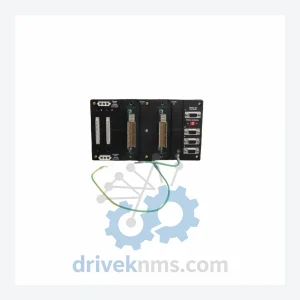
Foxboro RH924YF Mounted Modular Controller – Obsolete I/A Series Spare Part
Foxboro RH924YF Mounted Modular Controller – Obsolete I/A Series Spare Part When a Foxboro RH924YF fails on the plant floor,…
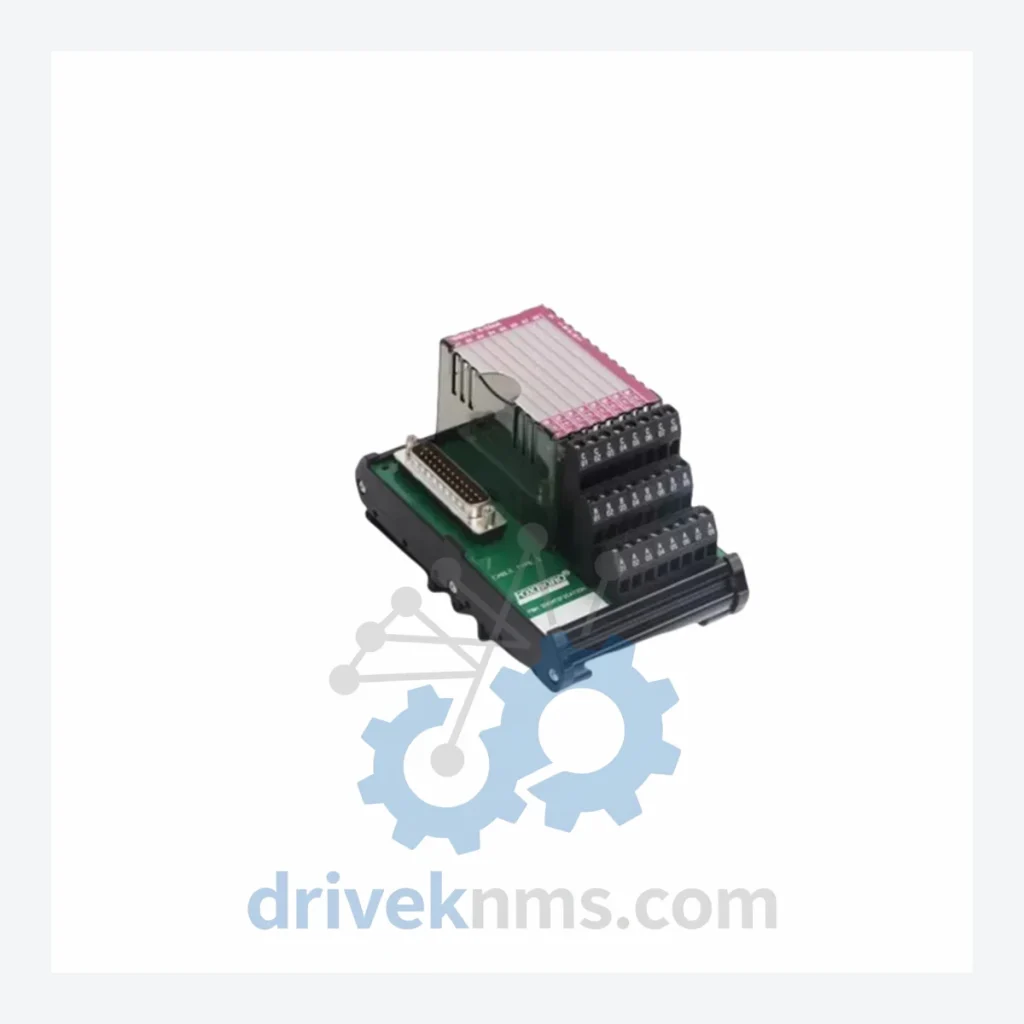
Model: AD916AC FBM202
Product Overview
Commercial availability is handled through direct RFQ, model verification and export-oriented follow-up rather than public cart checkout.
Datasheet Preview
Use attached product manuals when available. If the manual is not public yet, request the full file directly through RFQ.
Commercial Path
Product pages on DRIVEKNMS are designed to verify model, brand and series first, then move the buyer into one clean quotation path.
Technical Dossier
The Foxboro FBM202 series is a thermocouple and millivolt (mV) input module family within the Foxboro Distributed Control System (DCS) platform, originally developed by Foxboro (now part of Schneider Electric's Foxboro brand). This series occupies a critical position in global heavy industry installations, including petrochemical refineries, nuclear power facilities, chemical processing plants, and offshore oil & gas platforms. The FBM202 is deployed wherever high-accuracy temperature measurement via thermocouple inputs is required at the field I/O level of a DCS architecture. Its installed base spans decades of continuous operation, making lifecycle support and spare parts availability a primary concern for plant maintenance engineers worldwide.
The FBM (Field Bus Module) architecture was introduced as part of the Foxboro I/A Series DCS, which launched in the mid-1980s as one of the first fully distributed control systems. The FBM200-series modules represent the analog input tier of this architecture, with the FBM202 specifically addressing thermocouple and mV signal conditioning.
Early FBM202 variants used parallel backplane communication and were designed for the original I/A Series nodebus. As the platform evolved through the 1990s and 2000s, Foxboro introduced revised hardware revisions (denoted by letter suffixes such as AC, AD, AE) that addressed EMI compliance, improved cold junction compensation accuracy, and updated firmware compatibility with later DCS software releases (IACC, FoxCAE, AIM*AT). The AD916AC designation on the FBM202 indicates a specific hardware assembly revision (AD916) with a board-level configuration code (AC), used to track compatibility with specific I/A Series system software versions.
With the transition of Foxboro assets to Schneider Electric, the FBM202 series entered a mature/end-of-active-production lifecycle. Schneider Electric continues to offer limited new production for select variants, but the majority of plant operators rely on certified refurbished units, tested surplus stock, and third-party lifecycle support providers to maintain operational continuity. Compatibility with the Foxboro Evo DCS platform (the successor to I/A Series) requires verification on a per-revision basis.
The following SKUs represent verified models within the Foxboro FBM202 thermocouple/mV input module family and closely related FBM200-series analog input modules. Each entry reflects a distinct hardware revision, channel configuration, or signal type variant.
AD916AC FBM202: 16-ch thermocouple/mV input module, hardware rev AC, I/A Series DCS compatible
AD916AA FBM202: 16-ch thermocouple/mV input, early hardware revision AA, original I/A Series nodebus
AD916AB FBM202: 16-ch thermocouple/mV input, revision AB, updated EMI shielding and firmware
AD916AD FBM202: 16-ch thermocouple/mV input, revision AD, enhanced cold junction compensation
AD916AE FBM202: 16-ch thermocouple/mV input, revision AE, latest active production variant
P0916AC FBM202: OEM part number cross-reference for AD916AC, used in some plant documentation
FBM201: 8-ch thermocouple/mV input module, reduced channel count variant for smaller I/O nodes
FBM203: RTD (resistance temperature detector) input module, 8-ch, companion to FBM202 in temperature measurement loops
FBM204: 4–20 mA analog input module, 16-ch, standard process variable input for I/A Series
FBM205: 4–20 mA analog input with HART protocol support, 16-ch
FBM206: Analog output module, 4–20 mA, 8-ch, used for control valve and actuator signals
FBM207: Analog output with HART, 8-ch, paired with FBM205 in HART-enabled loops
FBM211: Discrete input module, 32-ch, 24 VDC, for digital field device status signals
FBM212: Discrete output module, 32-ch, 24 VDC, for solenoid and relay control
FBM220: Pulse input module, for flow meter and turbine meter frequency signals
FBM230: Fieldbus communication module, FOUNDATION Fieldbus H1, for FF device integration
FBM232: PROFIBUS DP communication module, for third-party PROFIBUS field device integration
DriveKNMS maintains a dedicated inventory program for Foxboro FBM202 series modules, with particular focus on hardware revisions that have been discontinued from active Schneider Electric production. For plant operators running I/A Series DCS installations with long remaining operational lifespans, the ability to source tested AD916AC, AD916AA, and AD916AB units is essential to avoid forced system migrations.
DriveKNMS sources FBM202 units through decommissioned plant equipment, certified surplus channels, and controlled refurbishment programs. All units are cross-referenced against Foxboro engineering change notices (ECNs) to verify revision authenticity before listing. For customers requiring long-term supply agreements (LTSAs) covering 5–10 year maintenance windows, DriveKNMS offers reserved stock allocation on request.
The FBM202 module presents specific test challenges due to its multi-channel thermocouple signal conditioning circuitry, cold junction compensation (CJC) reference, and nodebus backplane interface. DriveKNMS applies the following test protocol to all FBM202 units prior to dispatch:
Each module undergoes powered functional verification using a calibrated thermocouple simulator across all 16 input channels, covering type J, K, T, E, R, S, and B thermocouple ranges as specified in Foxboro FBM202 product specifications. Cold junction compensation accuracy is verified against a reference temperature standard. Backplane connector integrity is inspected under magnification for pin damage, oxidation, and solder joint fatigue. Firmware revision is read and documented. Modules are burn-in tested under simulated load for a minimum of 24 hours before final inspection and packaging.
Related Paths
Foxboro RH924YF Mounted Modular Controller – Obsolete I/A Series Spare Part When a Foxboro RH924YF fails on the plant floor,…
Foxboro FCM10E P0914YM Communication Interface Module – Obsolete I/A Series Spare Part When a Foxboro FCM10E P0914YM fails in an…

Foxboro FBM Series: Comprehensive Module Range and Technical Overview The Foxboro FBM (Fieldbus Module) series is a core component of…