
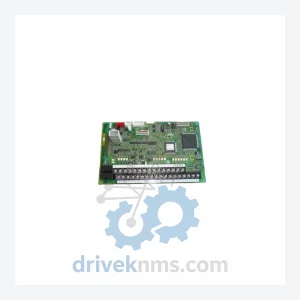
FUJI EP-3364B-CA-Z2 Inverter Control Board – FRENIC Series
FUJI EP-3364B-CA-Z2 Inverter Control Board: Supply Continuity Strategy for a Discontinued Critical Spare The FUJI EP-3364B-CA-Z2 is a control board…
Model: Z-312J
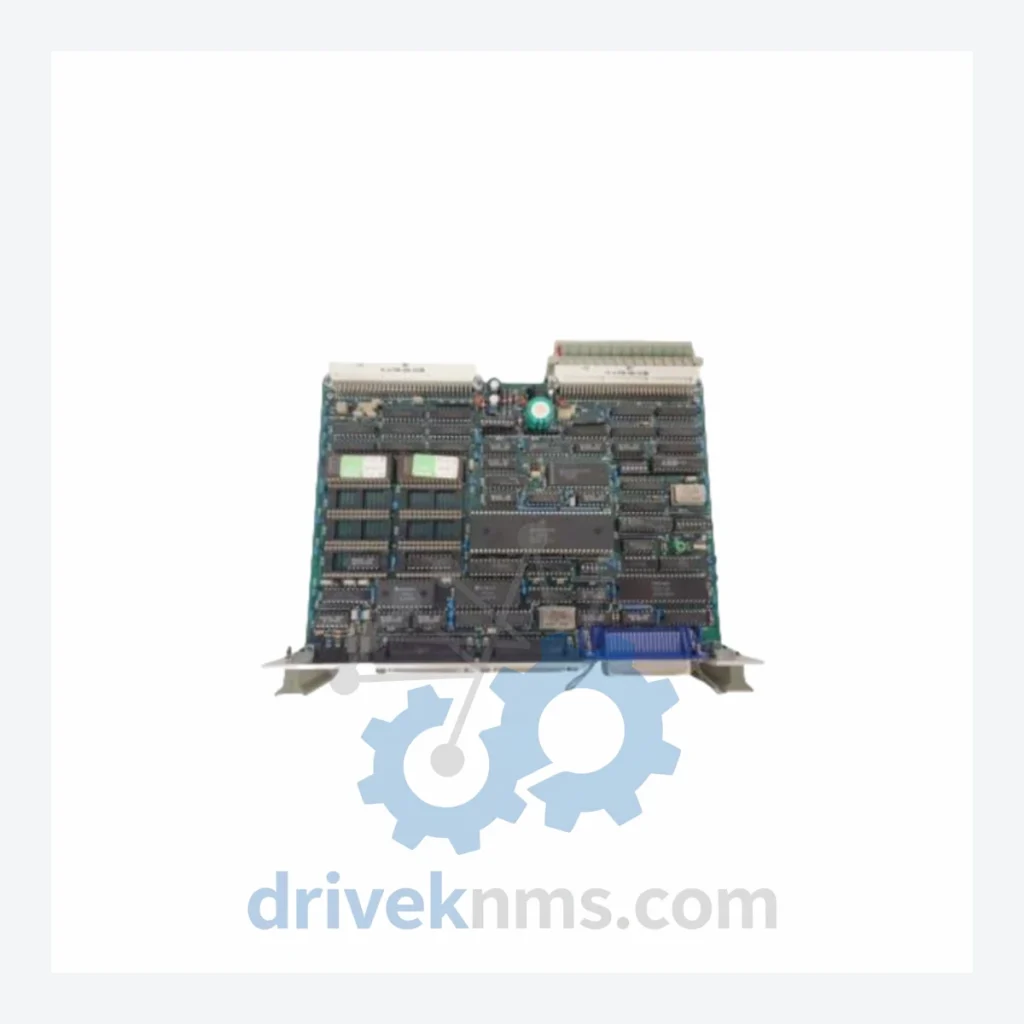
Product Overview
Commercial availability is handled through direct RFQ, model verification and export-oriented follow-up rather than public cart checkout.
Datasheet Preview
Use attached product manuals when available. If the manual is not public yet, request the full file directly through RFQ.
Commercial Path
Product pages on DRIVEKNMS are designed to verify model, brand and series first, then move the buyer into one clean quotation path.
Technical Dossier
The FUJI SHARP Z Series programmable logic controller platform occupies a well-established position in global heavy industry installations, including petrochemical complexes, nuclear auxiliary systems, refinery process control, and large-scale discrete manufacturing. Deployed extensively across Asia-Pacific, the Middle East, and Eastern Europe, the SHARP Z architecture was engineered to meet the deterministic scan-cycle requirements of continuous-process environments where unplanned downtime carries direct financial and safety consequences. Its modular backplane design allows mixed I/O configurations within a single rack, reducing panel footprint while maintaining channel-level isolation standards required by IEC 61131-2. The series remains active in long-lifecycle plant assets where control system replacement is deferred in favor of component-level maintenance strategies.
The SHARP Z platform was introduced by FUJI Electric as a successor to earlier relay-logic and first-generation PLC installations in Japanese industrial facilities. The initial architecture centered on a fixed-scan CPU with parallel I/O polling, operating over a proprietary backplane bus at TTL logic levels. As the platform matured through successive hardware revisions, FUJI introduced enhanced CPU modules with expanded program memory, floating-point arithmetic support, and structured text compatibility aligned with IEC 61131-3 language standards.
Mid-generation revisions addressed field-reported issues with backplane connector wear under high-vibration conditions, introducing gold-contact edge connectors on I/O modules and revised locking mechanisms on power supply units. Communication capabilities expanded from RS-232C point-to-point links to multi-drop RS-485 and eventually FUJI's proprietary T-Link network, enabling peer-to-peer data exchange between SHARP Z racks without host CPU arbitration.
Compatibility across hardware generations is constrained by backplane bus voltage and slot-addressing schemes. Early-generation I/O modules (Z-3xx series) are not electrically compatible with later Z-4xx backplanes without adapter hardware. Engineers managing mixed-generation installations must verify module revision codes stamped on the PCB edge label, as catalog numbers alone do not distinguish between incompatible hardware revisions. The SHARP Z platform is now classified by FUJI Electric as a mature/end-of-active-production series; replacement recommendations point toward the FUJI MICREX-SX and MICREX-F series for new installations, while the SHARP Z remains supported through authorized spare parts channels for existing plant assets.
CPU & Controller Modules
Digital Input (DI) Modules
Digital Output (DO) Modules
Analog I/O Modules
Communication & Network Modules
Power Supply Modules
DriveKNMS maintains a dedicated inventory program for FUJI SHARP Z Series components classified as end-of-production or long-lead by FUJI Electric's authorized distribution network. For plant operators running SHARP Z installations in facilities with 10–30 year asset lifecycles, sourcing replacement modules through standard distribution channels is no longer reliable. DriveKNMS addresses this gap through three supply mechanisms:
Surplus Stock: Tested pull units sourced from decommissioned plant assets, inspected and function-verified before listing. Each unit is cataloged by part number, hardware revision, and firmware version where applicable.
Repair & Refurbishment: Board-level repair service for SHARP Z CPU and I/O modules with documented failure modes including backplane connector damage, capacitor degradation on power supply boards, and EEPROM data loss on CPU modules. Repaired units are returned with a 12-month functional warranty.
Cross-Reference & Substitution Advisory: For modules with no available surplus stock, DriveKNMS provides documented cross-reference analysis identifying compatible FUJI MICREX-SX or third-party equivalents, including any required wiring or configuration changes.
SHARP Z modules present specific test challenges due to the proprietary backplane bus protocol and the age-related degradation patterns common in long-installed industrial electronics. DriveKNMS applies the following verification procedures to all SHARP Z inventory:
Backplane Bus Integrity Test: Each module is seated in a SHARP Z test rack and subjected to full backplane communication cycling. CPU modules are verified for correct slot-addressing response and data register read/write integrity across the full address range.
I/O Channel Functional Test: Digital I/O modules are tested channel-by-channel using calibrated signal sources and load banks. Analog modules are verified for linearity, offset error, and gain accuracy against the published specification tolerance (typically ±0.5% full scale).
Power Supply Load Test: Power supply modules are tested under 100% rated load for a minimum 2-hour burn-in period. Output voltage ripple, regulation under step-load transients, and overcurrent trip threshold are measured and recorded.
Visual and Component Inspection: All boards undergo magnified visual inspection for cracked solder joints, corroded traces, swollen electrolytic capacitors, and damaged connector pins — failure modes statistically elevated in modules with 10+ years of field service.
Test records are retained per unit serial number and are available to customers on request.
© 2026 DriveKNMS. All trademarks belong to their respective owners. Specifications are for reference only and subject to change without notice. Verify all parameters against official documentation before installation.
Related Paths
FUJI EP-3364B-CA-Z2 Inverter Control Board: Supply Continuity Strategy for a Discontinued Critical Spare The FUJI EP-3364B-CA-Z2 is a control board…
Fuji Electric EP Series: Comprehensive Module Range and Technical Overview The Fuji Electric EP Series represents a mature, field-proven platform…
Fuji Electric 7MBI Series: Comprehensive Module Range and Technical Overview The Fuji Electric 7MBI series represents one of the most…