
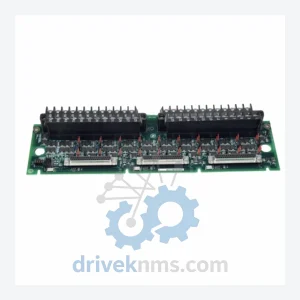
GE IS200 Series Modules: IS200TBAIH1CCC,
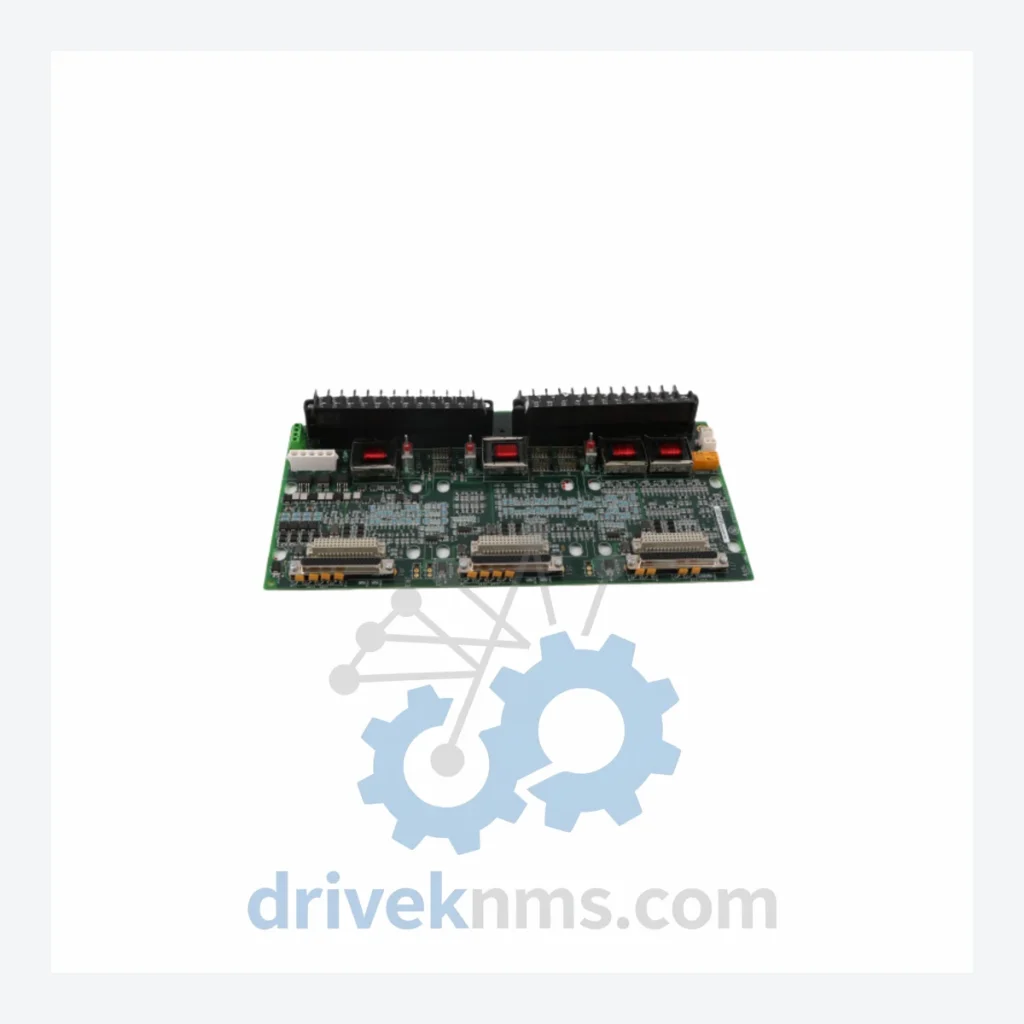
General Electric IS200TBAIH1CCC is listed for IS200 Series RFQ review. Confirm quantity, condition and destination before quotation.
RFQ-ready industrial model
Model: IS200TSVCH1ACB
Product Overview
Commercial availability is handled through direct RFQ, model verification and export-oriented follow-up rather than public cart checkout.
Datasheet Preview
Use attached product manuals when available. If the manual is not public yet, request the full file directly through RFQ.
Commercial Path
Product pages on DRIVEKNMS are designed to verify model, brand and series first, then move the buyer into one clean quotation path.
Technical Dossier
The GE IS200 series represents the core I/O and control module family deployed within GE's Mark VI Turbine Control System and EX2100 Excitation Control platform. These systems are installed across heavy industrial sectors globally, including gas turbine power generation, combined-cycle plants, nuclear auxiliary systems, petrochemical refineries, and offshore oil & gas platforms. The Mark VI platform, introduced in the mid-1990s as the successor to the Mark V, standardized on the IS200 module form factor for all signal conditioning, I/O termination, communication, and power distribution functions. Installed base estimates place Mark VI systems in thousands of generating units worldwide, with many facilities operating well beyond the original 20-year design lifecycle. As a result, the IS200 series has transitioned from an active product line into a critical long-term maintenance and spare parts category.
The IS200 module architecture was engineered around GE's VME-based backplane and the IONet communication protocol, a deterministic Ethernet derivative designed for real-time turbine control. Early IS200 modules (circa 1995–2002) used through-hole PCB construction with discrete analog front-ends. Mid-generation revisions (2002–2010) introduced surface-mount components, improved EMI shielding, and revised firmware to support expanded diagnostic capabilities via the Mark VI Toolbox software environment. Late-generation IS200 modules (post-2010) incorporated conformal coating as standard and added compatibility with the Mark VIe architecture, which migrated from VME backplane to Ethernet-based distributed I/O. Compatibility between IS200 modules and Mark VIe controllers is partial and hardware-revision-dependent; substitution requires verification against GE Engineering Instruction (EI) documentation. GE formally announced end-of-active-manufacture for the majority of IS200 series modules between 2015 and 2020, shifting support to the Mark VIe IS420 and IS410 module families. However, the installed base of Mark VI systems ensures continued demand for IS200 spare parts through at least 2035.
The following SKUs represent verified, commonly sourced modules within the GE IS200 series, organized by functional category:
Turbine Signal Conditioning & Control Boards
Analog I/O & Signal Processing
Communication & Network Adapters
Power Supply & Distribution
IS200 series modules present specific test challenges due to their integration of analog front-ends, backplane bus communication, and firmware-dependent diagnostic behavior. DriveKNMS applies a structured test protocol to all IS200 units prior to shipment. Each board undergoes visual inspection for PCB delamination, capacitor bulge, corrosion on edge connectors, and solder joint integrity under 10× magnification. Functional testing is performed using GE Mark VI-compatible backplane test fixtures that simulate IONet communication and verify module enumeration, channel-level I/O response, and relay actuation timing where applicable. Analog channel accuracy is verified against NIST-traceable reference standards. Modules with conformal coating are inspected under UV light for coating integrity and re-coated where necessary. All test results are documented and accompany each shipment as a test certificate. Boards that fail any test parameter are quarantined and not offered for sale.
Continue The Model Path
Move from this exact model into the matching system hub, brand archive, model-family archive or lifecycle sourcing route before sending a final RFQ list.
Related Paths
General Electric IS200TBAIH1CCC is listed for IS200 Series RFQ review. Confirm quantity, condition and destination before quotation.
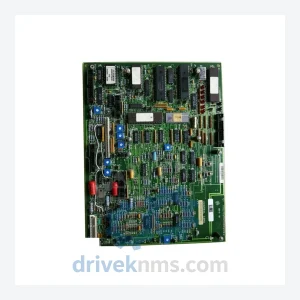
General Electric 323A4747ETP4B is listed for IS200 Series RFQ review. Confirm quantity, condition and destination before quotation.
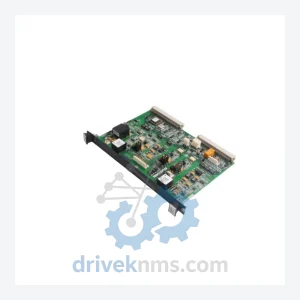
General Electric IS200TREGH1BDC is listed for IS200 Series RFQ review. Confirm quantity, condition and destination before quotation.