
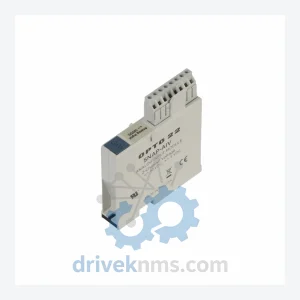
OPTO 22 SNAP-AIV Analog Input Module – Obsolete SNAP I/O Spare Part
OPTO 22 SNAP-AIV Analog Input Module – Obsolete SNAP I/O Spare Part When a SNAP-AIV module fails on an aging…
Model: SNAP-AIV-8
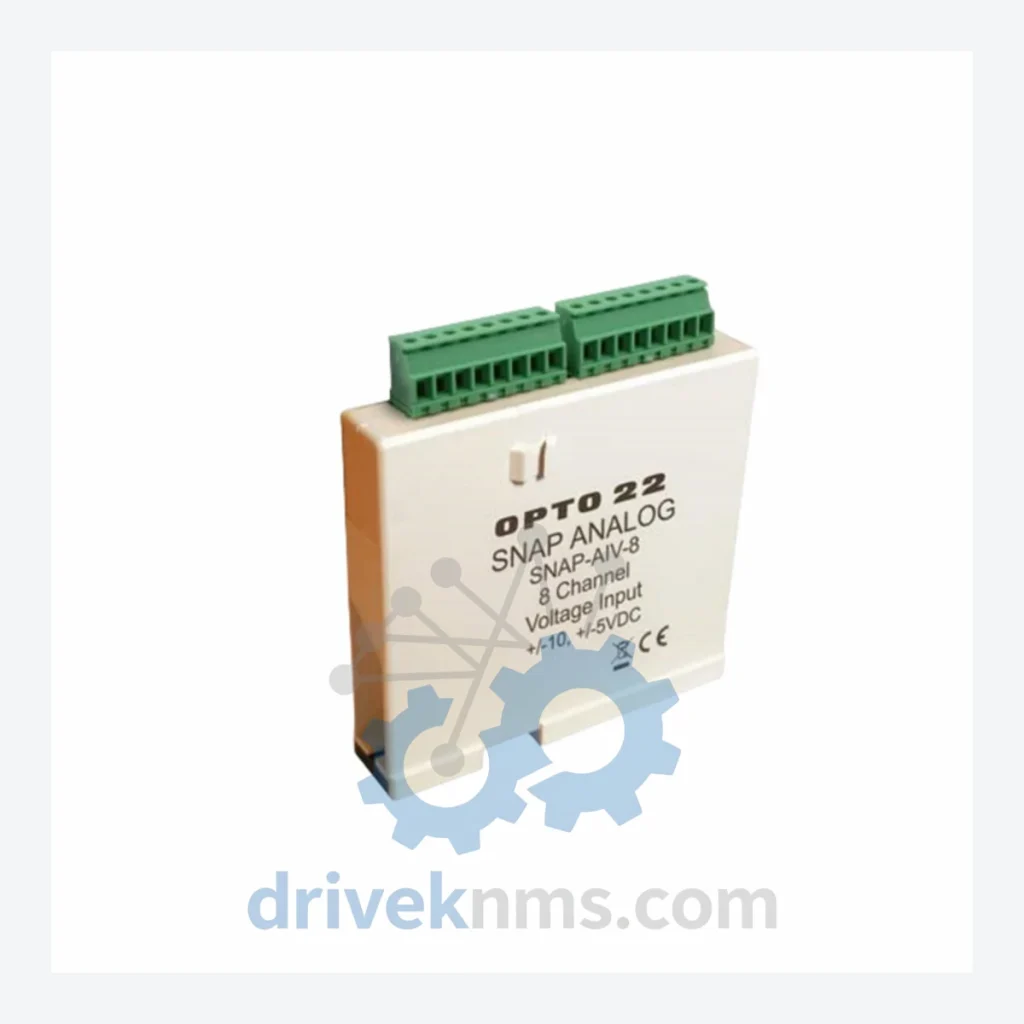
Product Overview
Commercial availability is handled through direct RFQ, model verification and export-oriented follow-up rather than public cart checkout.
Datasheet Preview
Use attached product manuals when available. If the manual is not public yet, request the full file directly through RFQ.
Commercial Path
Product pages on DRIVEKNMS are designed to verify model, brand and series first, then move the buyer into one clean quotation path.
Technical Dossier
The OPTO 22 SNAP (Simple Networking and Automation Platform) series represents one of the most widely deployed modular I/O architectures in global heavy industry. Installed across petrochemical refineries, nuclear power facilities, chemical processing plants, and offshore platforms, SNAP hardware is recognized for its deterministic signal conditioning, galvanic isolation per channel, and compatibility with both legacy PAMUX and modern Ethernet-based control backbones. The series operates on a rack-and-module architecture where brain boards (processors/communication controllers) mount to a SNAP rack and interface with discrete, analog, and serial I/O modules. This design has made SNAP a standard reference platform for distributed control system (DCS) integrators and plant maintenance engineers requiring long-term parts availability.
The SNAP platform was introduced by OPTO 22 in the mid-1990s as a successor to its G4 and Pamux module families. The first-generation SNAP racks used serial RS-485 brain boards (SNAP-B series) communicating via OPTO 22's proprietary OptoMMP protocol. By the early 2000s, OPTO 22 introduced Ethernet-based brain boards (SNAP-ENET series), enabling direct TCP/IP integration without a dedicated controller. The SNAP-PAC architecture followed, adding onboard IEC 61131-3 logic execution, peer-to-peer communication, and integration with OPTO 22's PAC Control and PAC Display software suites.
Compatibility across generations is a critical maintenance consideration: older SNAP-B brain boards are not pin-compatible with SNAP-ENET or SNAP-PAC brains, though the I/O modules themselves (analog, digital, serial) are physically interchangeable across all rack generations. Plants running first-generation SNAP racks must source original SNAP-B or SNAP-ENET-S brain boards, which are now discontinued. DriveKNMS maintains inventory of these legacy components to support lifecycle extension programs.
Analog Input Modules
Analog Output Modules
Digital Input Modules
Digital Output Modules
Brain Boards / Communication Controllers
Serial & Communication Modules
The OPTO 22 SNAP series entered its mature/maintenance phase in the 2010s, with several first- and second-generation brain boards and single-channel I/O modules formally discontinued. OPTO 22 no longer manufactures SNAP-B serial brain boards, SNAP-ENET (non-S) variants, or many legacy single-channel analog modules. For plants operating on 10–25 year maintenance cycles — common in nuclear, refining, and chemical sectors — replacement sourcing is a critical operational risk.
DriveKNMS specializes in lifecycle extension support for the SNAP platform. Our inventory includes tested surplus, refurbished, and new-old-stock (NOS) units for discontinued SNAP modules. All sourced units are cross-referenced against OPTO 22's published part number history to prevent counterfeit substitution. We maintain traceability documentation for regulated industries including nuclear (10 CFR 50 Appendix B) and pharmaceutical (21 CFR Part 11) environments.
SNAP modules present specific test challenges due to their backplane bus architecture and optically isolated channel design. DriveKNMS applies a dedicated test protocol for all SNAP inventory:
Related Paths
OPTO 22 SNAP-AIV Analog Input Module – Obsolete SNAP I/O Spare Part When a SNAP-AIV module fails on an aging…
OPTO 22 SNAP B3000 BRAIN: Global Sourcing Strategy & Asset Return Value for Procurement Teams The OPTO 22 SNAP-B3000-BRAIN is…
OPTO 22 SNAP-LCM4 M4SENET-100 Industrial Controller – Obsolete SNAP PAC Series Spare Part When the OPTO 22 SNAP-LCM4 M4SENET-100 fails…